
Free in-home measure and quote - PGT, CGI and CWS impact lines compared on your actual openings, style by style
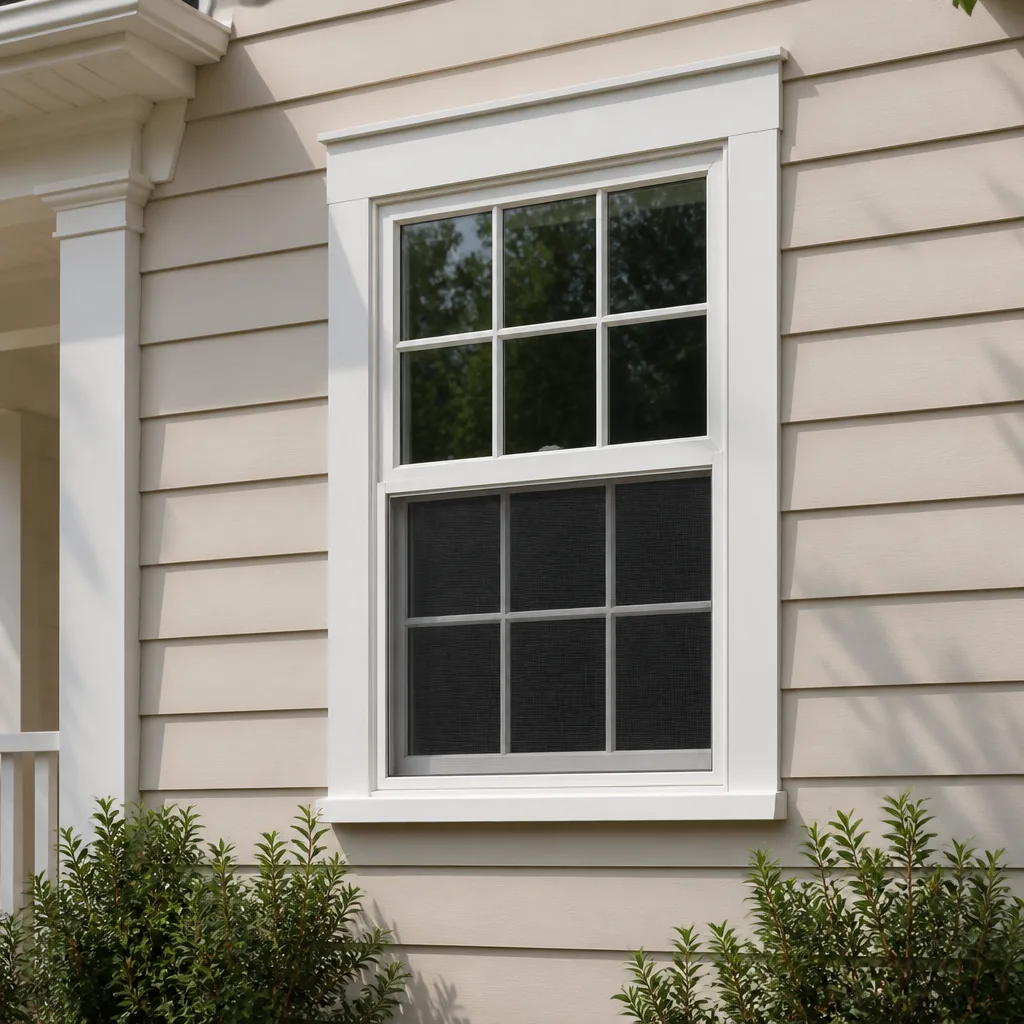
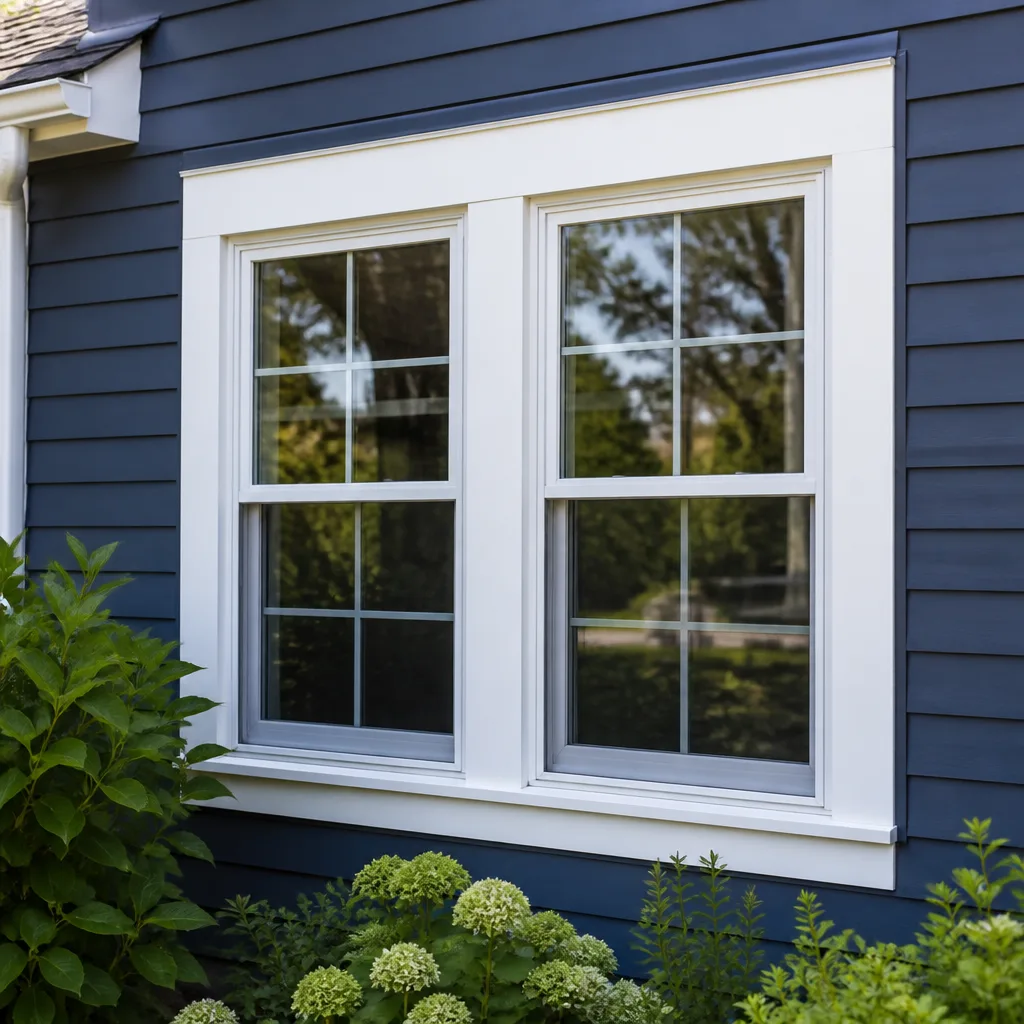
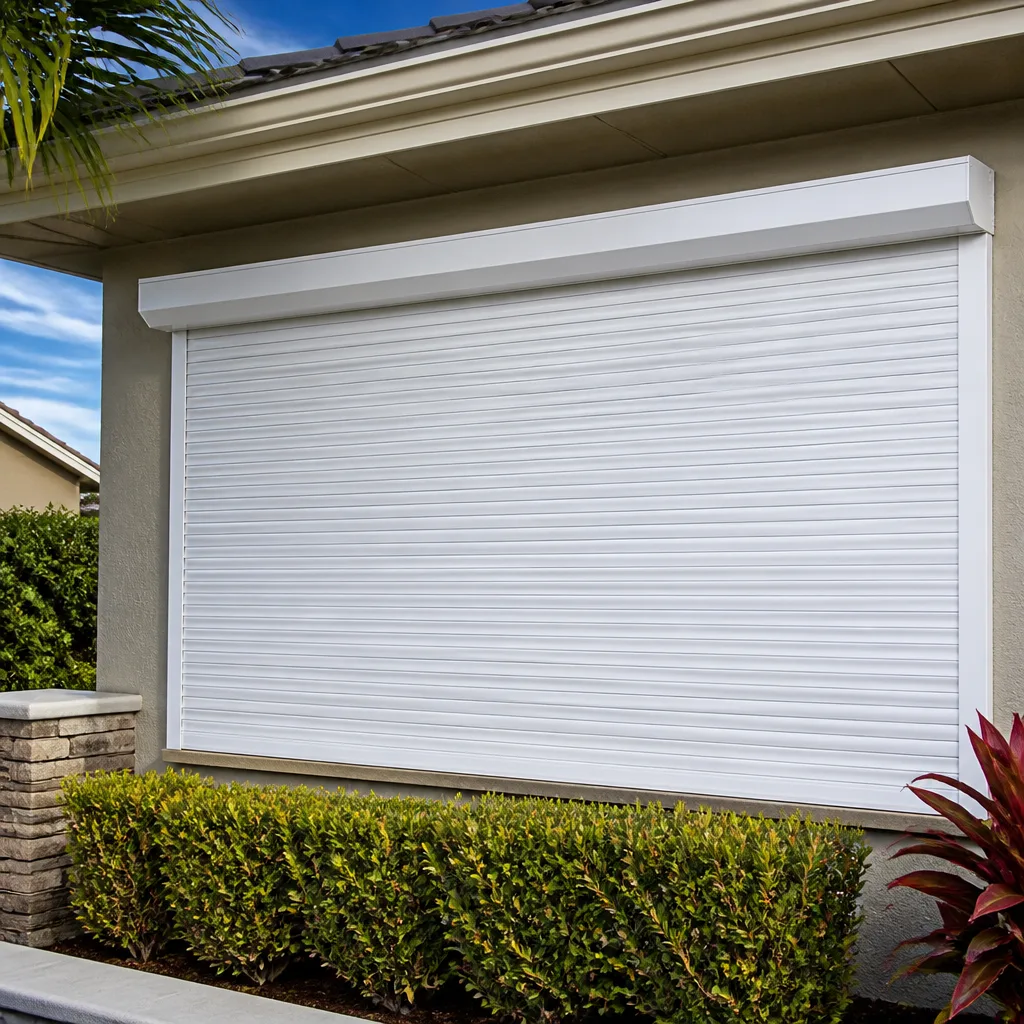
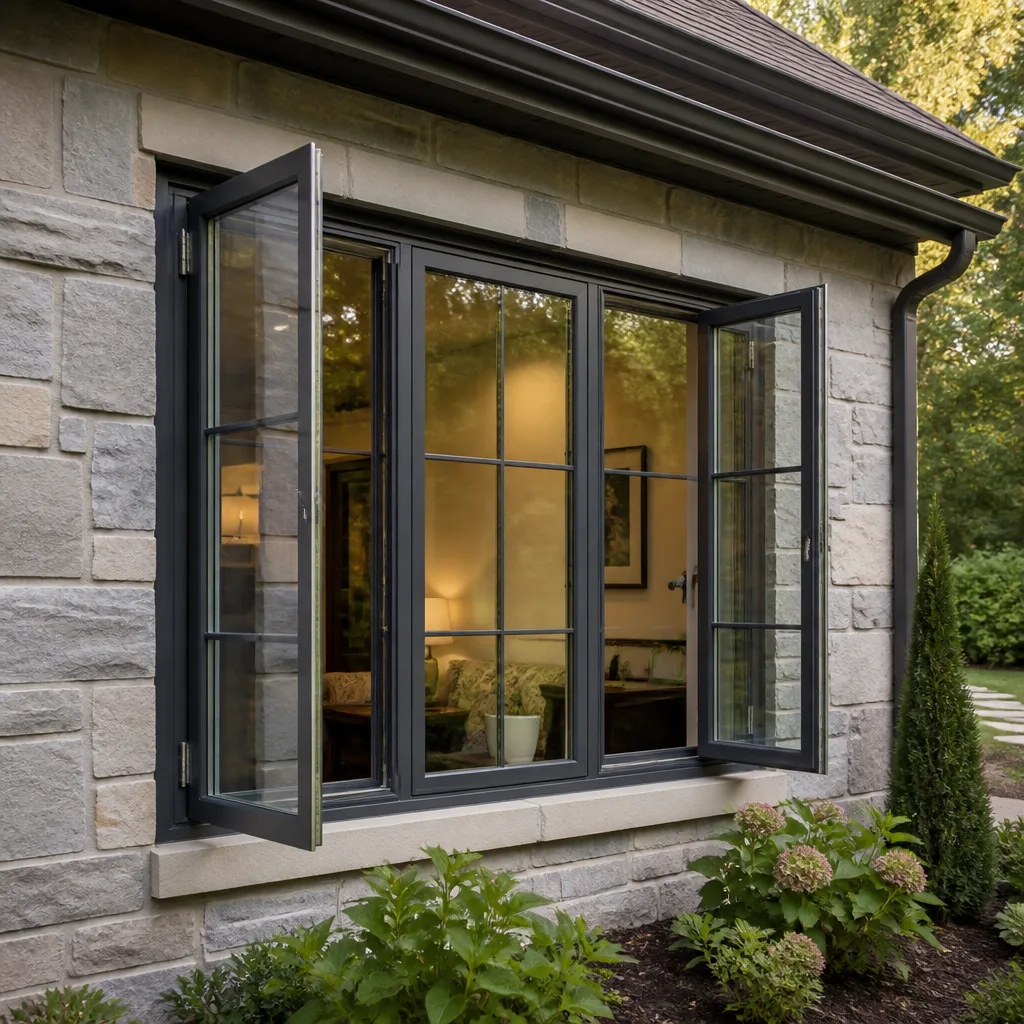

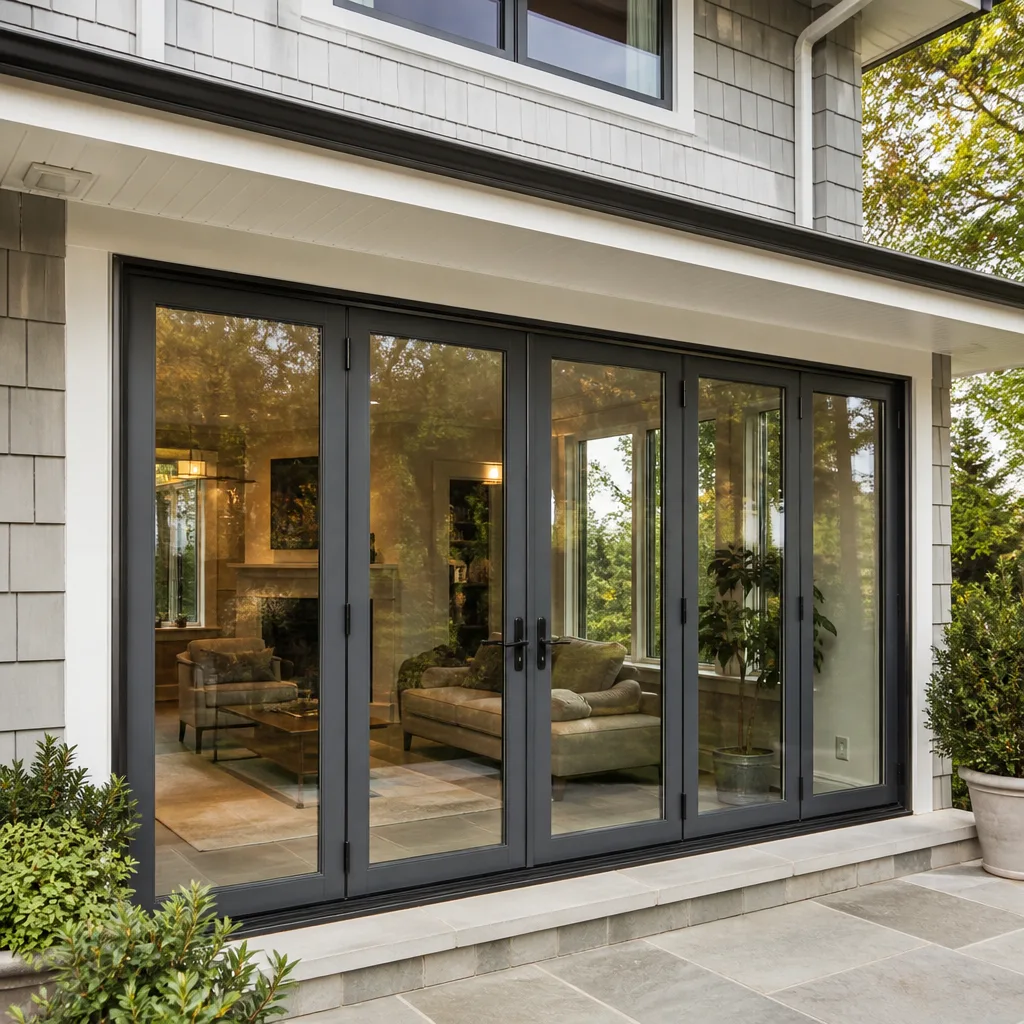
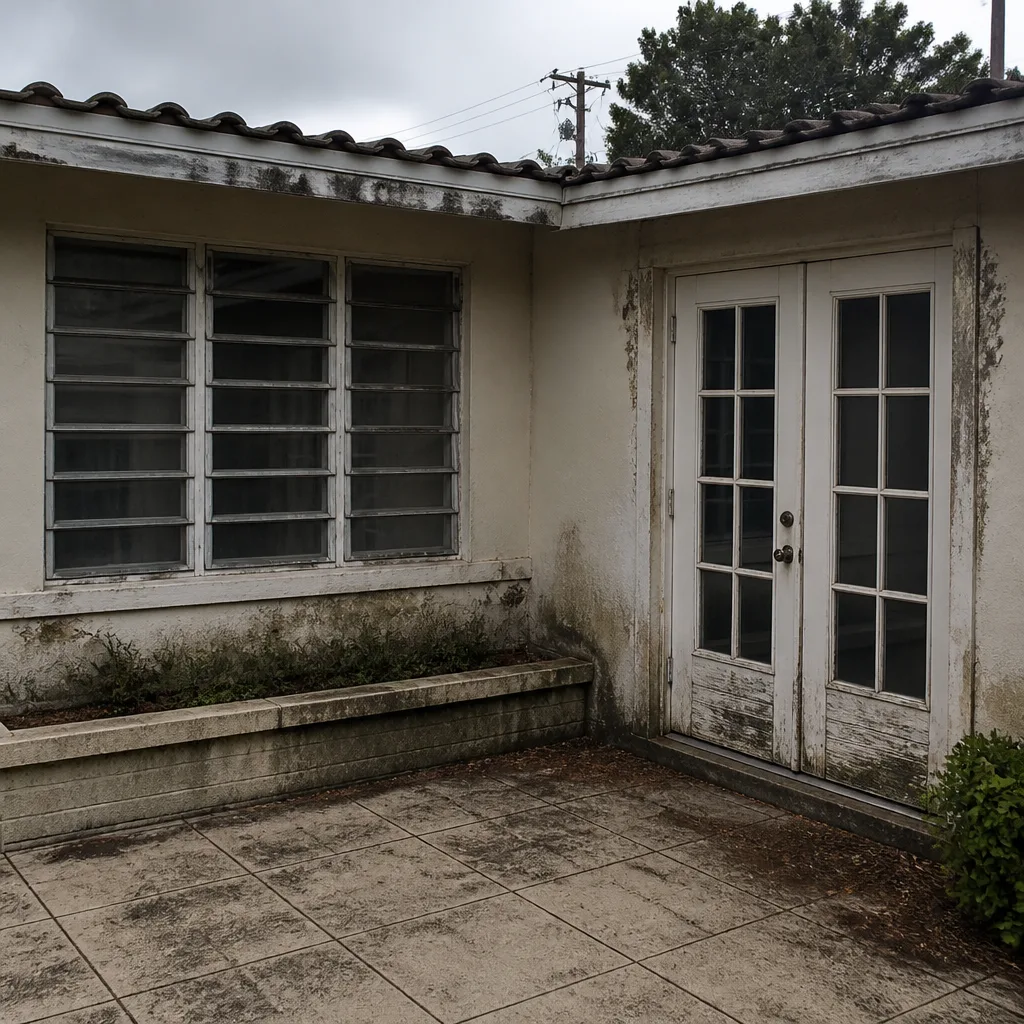 Before
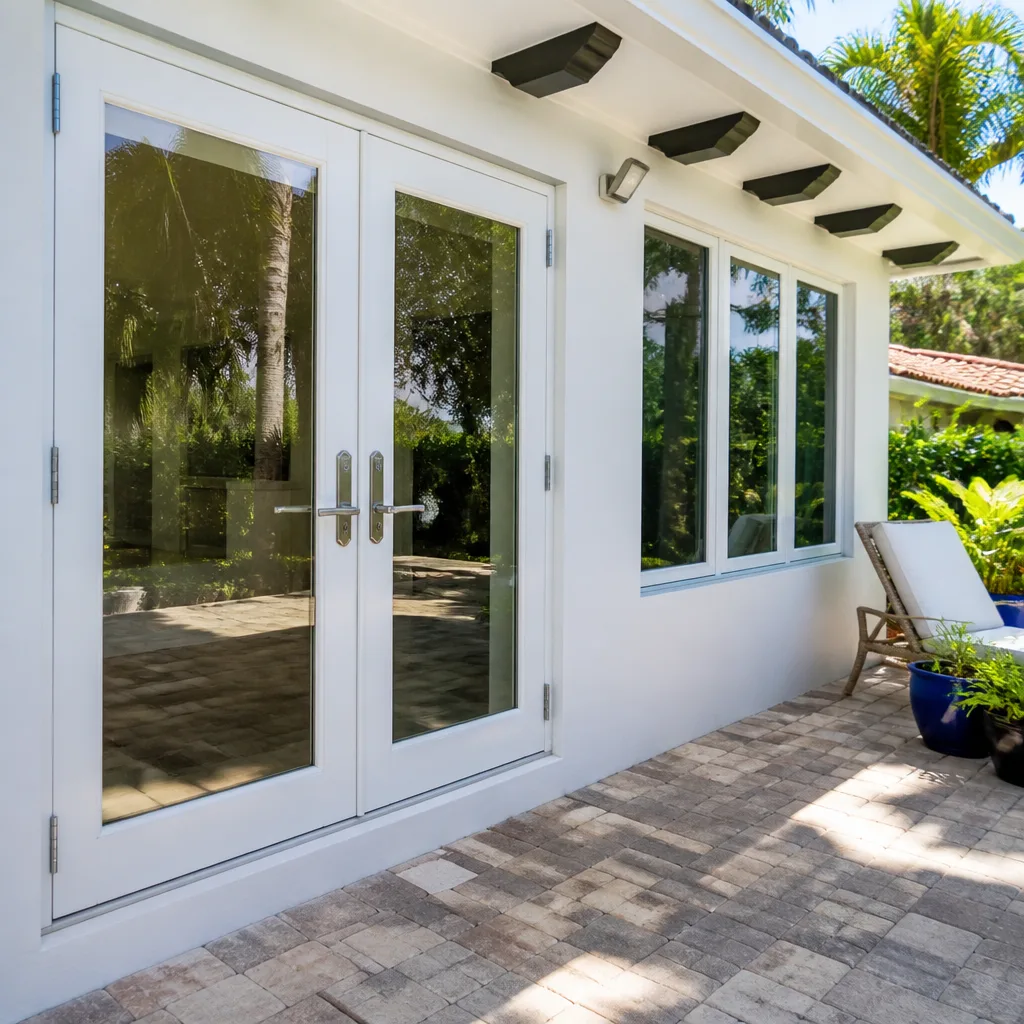 After
After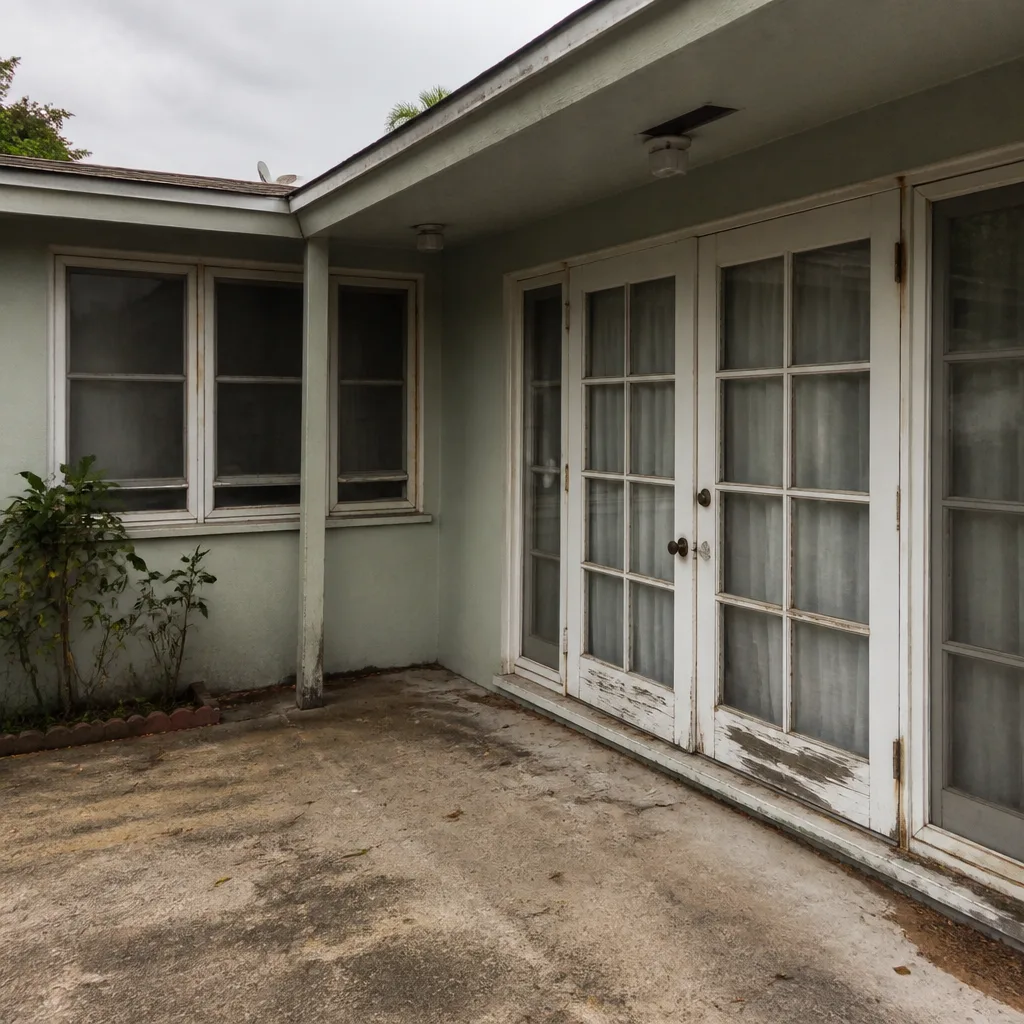 Before
 After
After Before
 After
AfterWindow Energy Audits & Ratings in Miami, FL
A window energy audit in Miami is a systematic inspection that measures how much heat, air, and moisture your windows are letting through – and assigns rated performance scores so you know exactly where your home is losing efficiency and whether Energy-Efficient Windows services could help. Most Miami homeowners discover their cooling bills are 20-35% higher than they should be because of windows that were never rated for South Florida’s climate in the first place. At Winslow Windows & Doors, we’ve been running these audits since 2011, and Ed Winslow personally reviews every finding before a recommendation goes out the door.
If you’re researching Energy-Efficient Windows in Miami, a proper audit is where that conversation should start – not at the showroom. Call us at (863) 862-5435 any time, day or night, and a live person will pick up. No voicemail, no callback queue.
Miami’s climate is genuinely different from the rest of the country. We’re talking about a city that sits at roughly 80% average relative humidity for most of the year, with summer heat indexes regularly pushing past 105°F in neighborhoods like Hialeah, West Kendall, and Doral. A window rated perfectly adequate in Atlanta or Orlando can be a thermal sieve here. That’s not an exaggeration – it’s what our measurements show, job after job.
When You Need Window Energy Audits & Ratings
- Your FPL bill spikes every June and doesn’t recover until November. If your cooling costs jump more than 25-30% compared to the previous year with no major lifestyle change, your windows are often the culprit – particularly in older Coral Gables or Coconut Grove homes with original single-pane aluminum frames.
- You feel warm air near windows even with the A/C running hard. Standing near a window and sensing radiant heat is a sign the glass is failing to block solar gain – a direct energy-rating problem that an audit will quantify with infrared measurement.
- Condensation forms on the inside of your window glass. Interior condensation in Miami means warm, humid outside air is making it through your glazing system. It’s also a moisture damage warning. We see this frequently in homes near Biscayne Bay and along the Intracoastal where ambient humidity is consistently higher.
- You’re buying a home built before 2002 and want a pre-purchase efficiency baseline. Many Miami homes built before Florida’s updated energy codes carry windows that don’t meet current standards. An audit before closing gives you documented evidence to negotiate or plan replacements.
- You’ve already replaced some windows but not others, and want to know which to prioritize next. A mixed-vintage home often has wildly different performance across elevations. An audit maps exactly which windows are dragging down your overall efficiency score.
- You’re planning to apply for a Miami-Dade PACE loan or utility rebate and need documented ratings. Miami-Dade County’s Property Assessed Clean Energy program and FPL’s efficiency incentives require documented SHGC and U-factor ratings. We produce the paperwork that satisfies those requirements.
Our Window Energy Audits & Ratings Process
-
Pre-visit review of your home’s window history and utility data.
Before we arrive, we ask for 12 months of FPL bills and any existing window documentation – original specs, past inspection reports, or HOA records. This gives us a baseline so we’re not starting blind. If your home is in a flood zone or high-velocity hurricane zone (which most of Miami-Dade is), we note that upfront because it affects which ratings matter most for your specific address. -
Physical inspection of every window unit, frame, and seal.
We walk every room. We check frame material, glazing type, visible seal integrity, and hardware condition. We look at the spacer between glass panes on IGUs (insulating glass units) – a failed spacer in Miami’s heat accelerates fogging and destroys the insulating gas fill. We also check installation quality: a high-rated window installed with gaps in the rough opening is still an energy failure. -
Infrared thermal imaging of exterior-facing walls and window perimeters.
We use thermal cameras to identify heat transfer patterns that are invisible to the naked eye. In Palmetto Bay and Pinecrest, we regularly find that the worst thermal bridges aren’t the glass at all – they’re the aluminum frames on older sliding doors that act as direct conductors between the outside heat and your interior wall. The camera shows it clearly. -
Rating documentation: U-factor, SHGC, and VT measurement and recording.
We record three primary ratings for each window assembly. The U-factor measures how much non-solar heat passes through (lower is better – Miami code requires 0.65 or below for most residential applications). The Solar Heat Gain Coefficient (SHGC) measures solar energy transmission – Miami-Dade recommends 0.25 or lower for west- and south-facing glass. Visible Transmittance (VT) tells you how much natural light comes through versus how much the glass blocks. We document these against Florida Building Code requirements and Miami-Dade NOA (Notice of Acceptance) standards. -
Written audit report with ranked findings and replacement priorities.
You get a clear written report – not a sales pitch document – that ranks your windows from most to least efficient, identifies code gaps, and estimates the annual energy cost of each underperforming unit. If a window is still serviceable with a reglaze or weatherstripping repair, we say so. Ed’s approach has always been: fix what can be fixed, replace what genuinely needs replacing. -
Recommendation review and next-step planning.
We sit down with you – or go through it by phone if you prefer – and walk through the findings. If replacement is the right call, we discuss products from our authorized lineup, including ES Windows and ECO Window Systems units that are built specifically for South Florida’s SHGC and impact requirements. No pressure on timeline, no manufactured urgency. Ed’s name is on the business, and a recommendation that doesn’t hold up reflects on him personally.
Window Energy Audits & Ratings Pricing in Miami
Window energy audits in Miami typically run between $150 and $400 for a standard single-family home, depending on the number of window units, home size, and whether you need a full thermal imaging scan or a more targeted inspection of specific problem areas.
| Audit Scope | Typical Price Range |
|---|---|
| Basic visual inspection + rating documentation (up to 10 windows) | $150 – $225 |
| Full audit with thermal imaging (up to 20 windows) | $225 – $325 |
| Whole-home audit with written PACE/rebate-ready report (20+ windows) | $300 – $400 |
| Follow-up audit after replacement installation | $75 – $125 |
Several factors affect where your audit lands in those ranges:
- Number of window units. A small Brickell condo with 8 windows costs less to audit than a 4,000-square-foot Pinecrest home with 30+ units across multiple elevations.
- Access difficulty. Second-story windows on a two-story Coral Gables home or high-rise units require more time and sometimes additional equipment.
- Report format required. A basic findings summary costs less to produce than a formatted report with NFRC rating documentation required for PACE financing or FPL rebate applications.
- Whether replacement follows immediately. When an audit leads directly to a Winslow installation project, we credit the audit fee toward the installation cost.
Seniors and veterans receive a permanent 10% discount on audit services – no expiration, no fine print. And if your audit cost comes in over $200, the standing $40-off repair discount applies to any related repair work we perform on the same visit. Call (863) 862-5435 for an exact quote – estimates are free, and there’s no trip charge within our home county.
What Miami’s Climate Actually Does to Window Ratings
This is where local knowledge matters, and it’s why a national chain running a templated audit process tends to miss things. Miami sits in IECC Climate Zone 1 – the hottest residential climate zone in the continental United States. That designation changes the math on nearly every energy rating.
In most of the country, U-factor is the primary rating to watch because heating season dominates energy costs. In Miami, SHGC is king. Your windows face direct solar radiation for the better part of 365 days a year. A window with a strong U-factor but a mediocre SHGC of 0.40 will still drive your A/C costs through the roof on a west-facing wall in Sweetwater or Doral where afternoon sun hits the glass at nearly a direct angle from May through September.
ECO Window Systems products are engineered with this specifically in mind – their Low-E & Argon Gas Glass configurations are optimized for high-solar climates rather than the heating-dominated markets where most window ratings testing happens. When we recommend specific products after an audit, that climate-zone logic is built into the recommendation. We also regularly work with ES Windows, whose Miami-NOA-approved units carry SHGC ratings in the 0.22-0.27 range that meet current Miami-Dade standards without sacrificing visible light.
One more local factor: salt air. Homes within a mile of the coast – from Miami Beach to Key Biscayne to Aventura – face accelerated frame corrosion that degrades seals faster than any other Miami neighborhood. An audit in a coastal Miami home always includes a close look at frame oxidation and seal condition because a compromised seal kills the gas fill in an IGU within two to three years, dropping the U-factor rating significantly even if the glass itself looks intact.
Understanding NFRC Labels, Miami-Dade NOAs, and Florida Building Code
When Winslow runs a window energy audit, we’re cross-referencing three sets of standards – and most homeowners have never heard of two of them.
The NFRC label (National Fenestration Rating Council) is the standardized sticker on every new window that lists U-factor, SHGC, VT, air leakage, and condensation resistance. It’s the comparison baseline. Florida’s Energy Conservation Code sets minimum thresholds for new construction and major replacement projects in Climate Zone 1.
The Miami-Dade NOA is a local layer on top of that. Miami-Dade County requires that windows installed in the county carry a Notice of Acceptance that certifies the product has passed high-velocity hurricane zone testing. An energy-efficient window with Insulated Laminated Glass that lacks a valid Miami-Dade NOA can’t be legally installed here, regardless of its NFRC ratings. We check NOA status on every product we recommend – this is non-negotiable, and it’s something a homeowner buying replacement windows from an out-of-state online retailer can easily get wrong.
The Florida Building Code sets U-factor maximums (0.50 for most Climate Zone 1 residential windows in current code, with some variation by project type) and SHGC maximums (0.25 for most orientations). If your existing windows don’t meet those numbers, you should know – and our audit report tells you in plain language, not code references alone.
FAQs – Window Energy Audits & Ratings
How much does a window energy audit cost in Miami?
A window energy audit in Miami typically costs between $150 and $400 for a single-family home, depending on the number of windows, whether you need thermal imaging, and the report format required. Basic visual inspections with rating documentation start around $150 for smaller homes. Full thermal imaging audits with PACE-ready written reports run $300 to $400 for larger homes with 20 or more window units. Call (863) 862-5435 for a free quote on your specific home – no trip charge within our home county.
What ratings should my Miami windows have to pass a Florida energy audit?
Under current Florida Building Code for Climate Zone 1 (which covers all of Miami-Dade), residential replacement windows should carry a U-factor of 0.50 or lower and an SHGC of 0.25 or lower for most orientations. West- and south-facing glass benefits most from hitting the lower end of that SHGC range. Your windows must also carry a valid Miami-Dade Notice of Acceptance (NOA) certifying hurricane-zone compliance – energy rating alone isn’t sufficient for legal installation here. Our audit report documents where your existing windows stand against all three standards.
Can a window energy audit help me qualify for a Miami-Dade PACE loan or FPL rebate?
Yes. Miami-Dade’s PACE program and FPL’s home efficiency incentives both require documented evidence of existing window performance ratings and projected improvement. A properly formatted audit report – with NFRC rating comparisons, current versus proposed SHGC and U-factor data, and estimated annual energy savings – is exactly what those applications need. We produce that documentation as part of our full audit package. If you’re planning to apply, tell us upfront and we’ll format the report to meet the program’s submission requirements.
Do I need an energy audit before replacing windows in Miami?
You don’t legally need one, but it’s almost always worth doing. An audit before replacement tells you which windows are actually underperforming versus which ones just look old, which orientations to prioritize (west-facing glass in Miami loses you far more cooling efficiency than north-facing), and whether your installation gaps or seal failures are the real problem rather than the glass itself. Replacing windows without that data often means spending money in the wrong order. When an audit leads directly to a Winslow installation, we credit the audit fee toward the project cost.
Why Winslow for Window Energy Audits in Miami
Ed Winslow started this business in 2011 because he saw too many Miami homeowners getting generic recommendations from companies that didn’t understand the difference between Climate Zone 1 and the rest of the country. Our audits are built around South Florida’s actual conditions – the solar angles, the humidity levels, the Miami-Dade NOA requirements, the FPL rate structure, and the specific failure patterns we see in Brickell high-rises, Kendall ranch homes, and Coconut Grove two-stories.
We’re authorized installers for ES Windows and ECO Window Systems, among others – so when an audit identifies windows that need replacing, we’re not guessing at what the right product might be. We know the rated performance of every unit in our lineup and we can tell you, with documented numbers, how a specific replacement window will change your home’s energy profile.
Every technician who comes to your door is background-checked and arrives in uniform. You know who’s coming before the truck is in your driveway. Upfront pricing before any work begins – no surprises on the invoice. And our 36500-Day Done Right Promise means that if something isn’t right about the work we did, we come back and make it right. A hundred years of accountability, not a one-year warranty card buried in a welcome packet.
If you want to understand what’s really happening with your windows before you spend a dollar on replacements, that conversation starts with (863) 862-5435. Someone answers – every call, every hour.
We’re not a national chain routing your call to a regional dispatch center. We’re the one down the road. And Winslow Windows & Doors has been the one down the road in Miami since 2011.
Written by Ed Winslow, Owner at Winslow Windows & Doors, serving Miami.
Six Reasons Homeowners Choose Winslow Windows & Doors
Impact systems engineered to design pressures up to +/-100, matched to your wind zone - your openings hold when the storm arrives.
Low-E insulated impact glass from our manufacturer lines commonly cuts monthly cooling bills 20-30%.
Laminated impact glass shuts out up to 40% of outside noise - traffic, neighbors, weather.
Monitoring services run $30-90 a month. Laminated impact glass resists forced entry around the clock, with no subscription.
Florida homeowners average around 25% savings on the windstorm portion of their policy after protecting every opening - some homes qualify for more.
A full impact package upgrades curb appeal, buyer confidence and appraised value in one project.