
Last updated August 27, 2026
Free in-home measure and quote - PGT, CGI and CWS impact lines compared on your actual openings, style by style


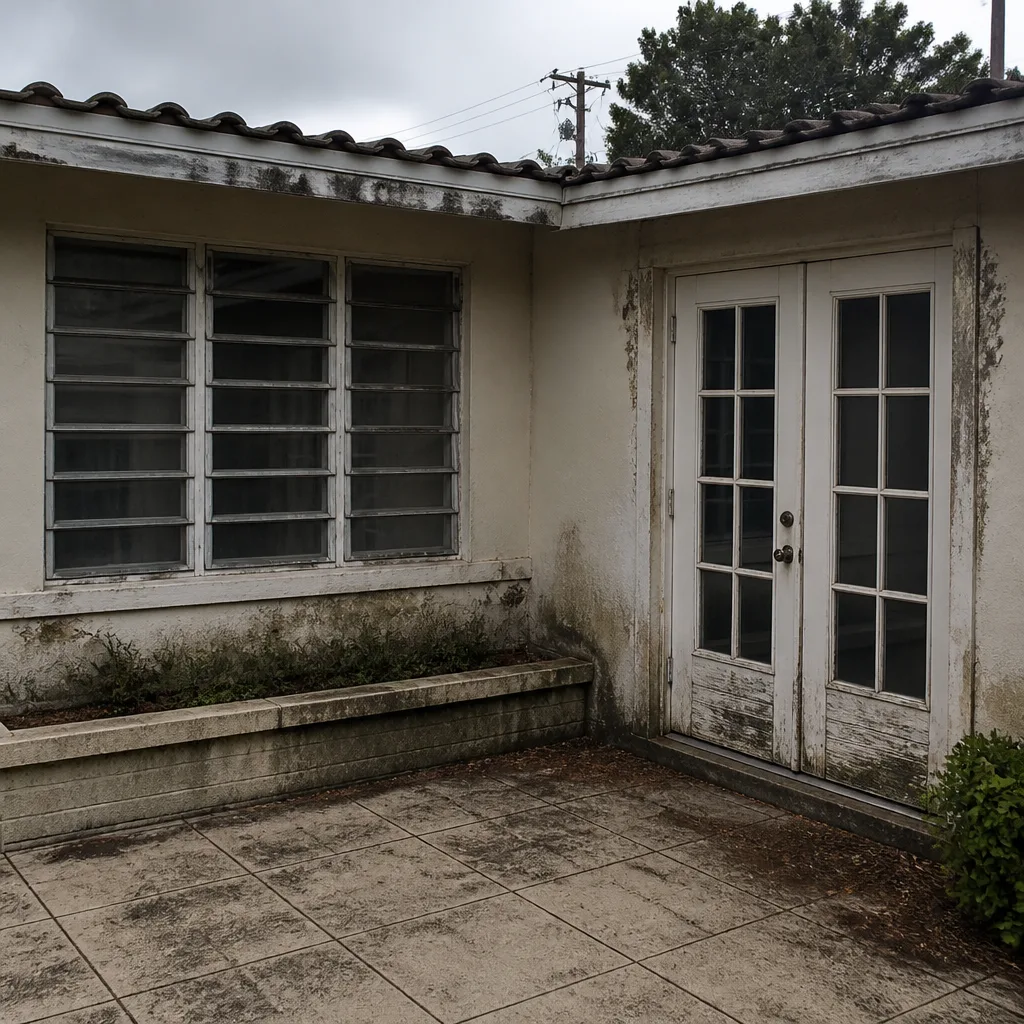 Before
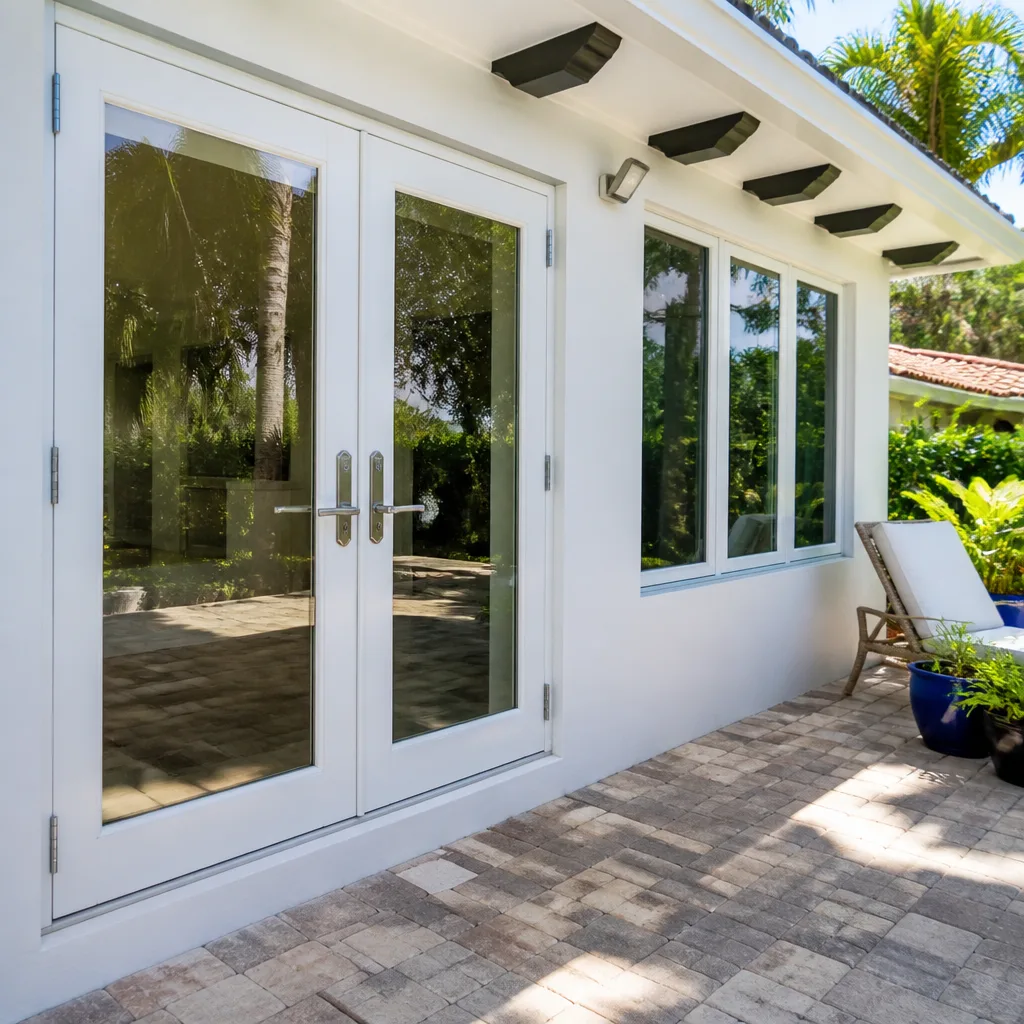 After
After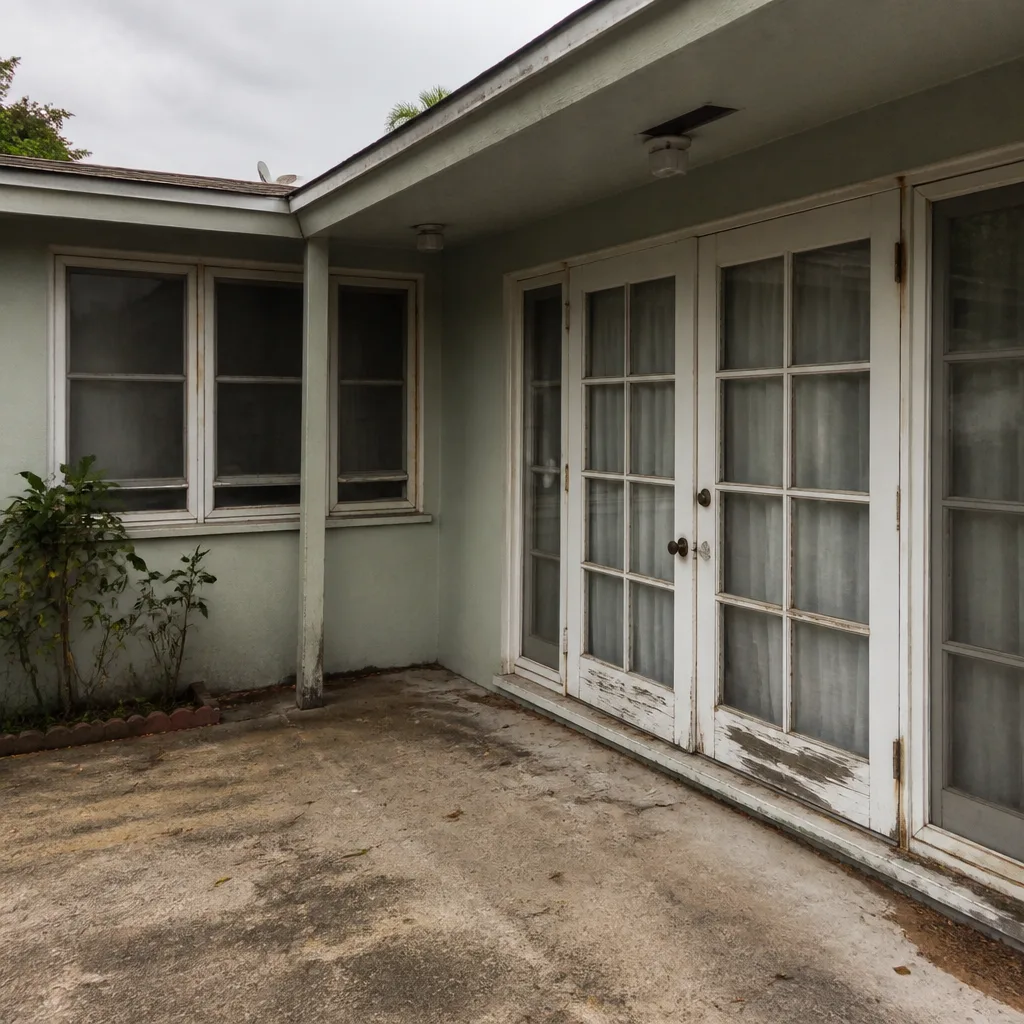 Before
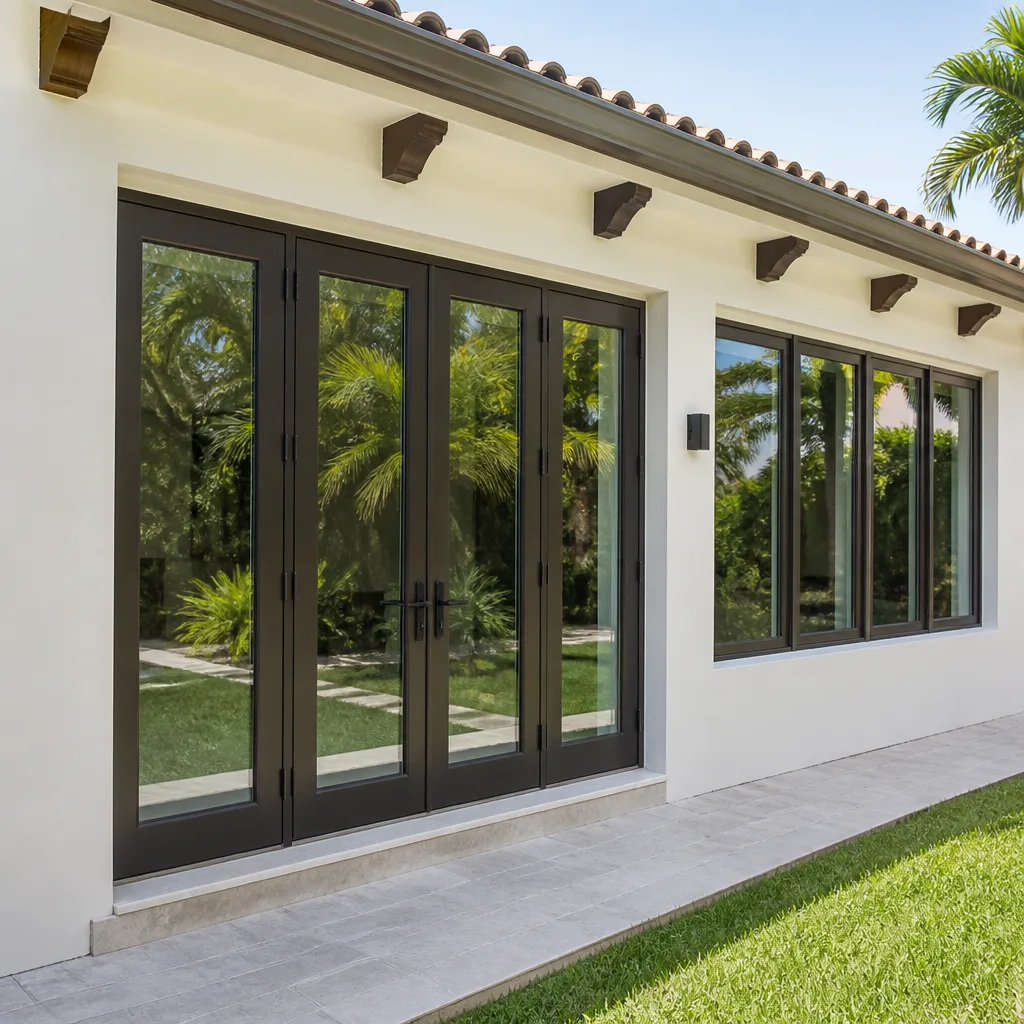 After
After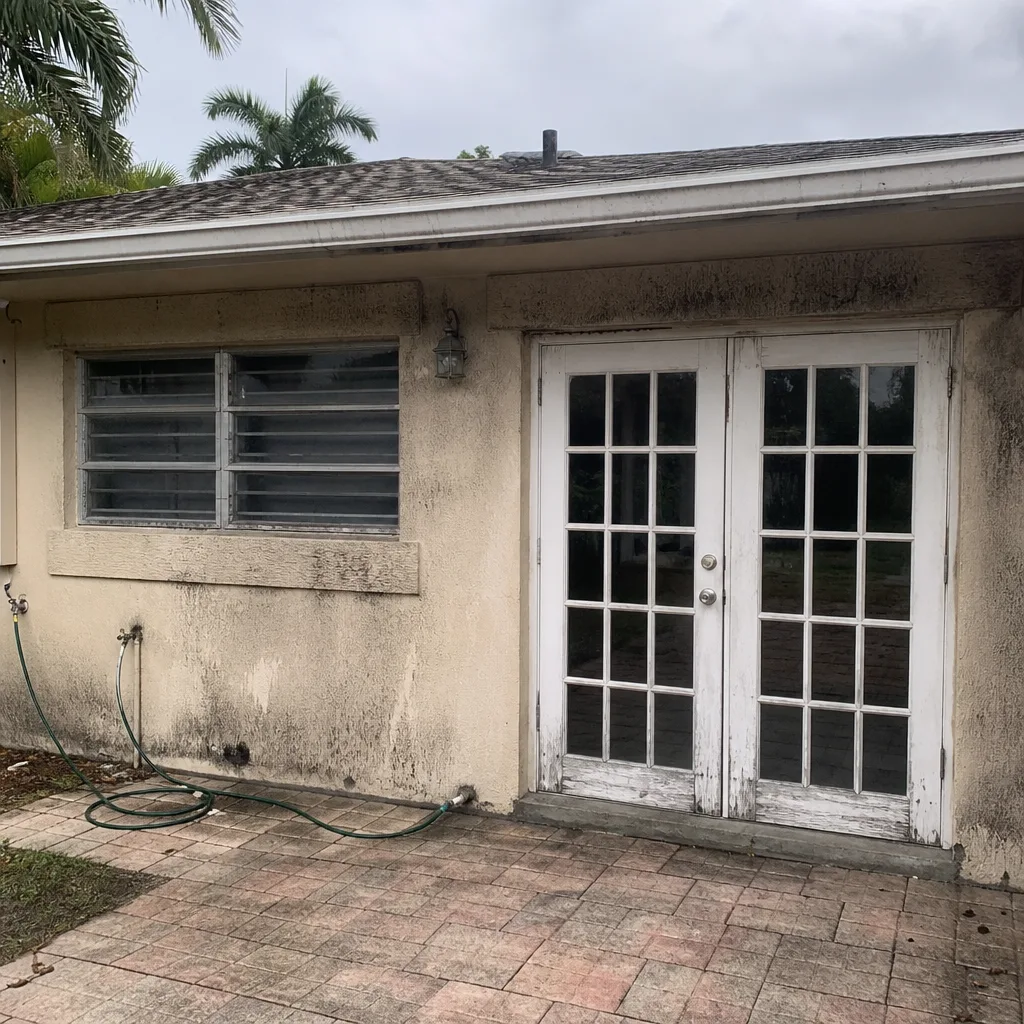 Before
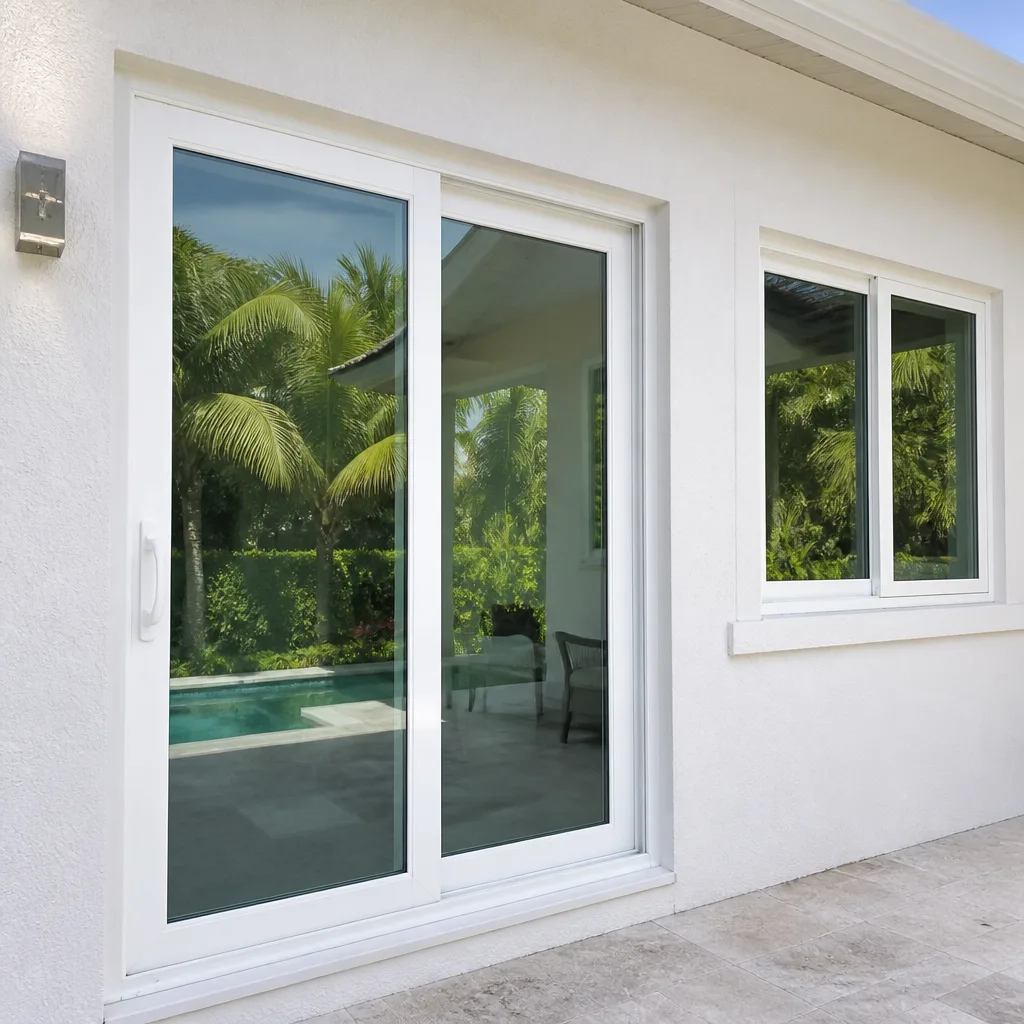 After
AfterImpact Windows Maintenance Checklist for Miami Homeowners
The laminated interlayer that keeps impact glass from shattering can delaminate from the inside out. The first visible sign is a faint yellowish haze near the edges, something most Miami homeowners mistake for condensation or cleaning residue until it’s too late to address under warranty. This guide - along with our Seasonal Windows & Doors Care for Miami: Year-Round Homeowner’s Guide - walks through exactly what to inspect, when to inspect it, and how to clean and maintain your impact windows so a $15,000 to $40,000 investment lasts decades instead of failing quietly between hurricane seasons.
Quick Answer
Impact window maintenance in Miami comes down to a twice-yearly deep inspection (April-May and December, bracketing hurricane season), monthly visual checks of seals and hardware, and cleaning only with pH-neutral products that won’t strip manufacturer coatings. The glass itself rarely fails first. What fails in Miami’s salt air, UV, and humidity are the gaskets, weatherstripping, rollers, and frame finishes around the glass, and those are all things a homeowner can inspect and document in under an hour.
Table of Contents
- The Miami Maintenance Calendar: Two Seasons, Two Deep Inspections
- How to Clean Impact Windows Without Voiding the Coating Warranty
- The Four Hardware Points That Fail First in Miami Humidity
- How to Identify Weatherstripping Compression Failure Before a Storm
- What Disqualifies a Window from Warranty Coverage in a Storm Claim
- Building a Maintenance Log That Holds Up in a Claim
- Common Mistakes to Avoid
- When to Call a Professional
The Miami Maintenance Calendar: Two Seasons, Two Deep Inspections
Miami doesn’t have four seasons. It has a wet season and a wind season, and your impact windows experience those two conditions very differently. The maintenance calendar that works in Orlando or Tampa doesn’t transfer cleanly to Miami’s coastal exposure, where salt spray rides the morning breeze from Biscayne Bay and the Atlantic and settles on window frames in a fine, corrosive film. We’ve pulled apart windows in Coral Gables, Kendall, and Pinecrest that looked pristine from the street but had aluminum frames pitting underneath the gasket channels from years of salt accumulation no one ever wiped away.
Here’s the calendar we recommend, and it’s the same one we use when we do free maintenance assessments for homeowners across Miami-Dade County.
April-May: Pre-Hurricane Season Inspection
This is the one that matters most. You want every window and door checked, cleaned, and documented before June 1. The pre-season inspection should take about two hours for an average Miami home with ten to fifteen window openings.
- Check every gasket and weatherstrip by sight and touch. Run your finger along each seal. It should feel springy, not flat or gummy. In Miami’s heat, gaskets can compress permanently against the frame within three to five years.
- Operate every window and sliding door through its full range of motion. Listen for grinding or scraping. Resistance that wasn’t there last season usually means a roller or hinge is binding, which only gets worse when wind pressure hits the glass during a storm.
- Test the locking mechanisms on every opening. A lock that doesn’t fully engage means the window isn’t sealing against the frame, and an unsealed impact window is a leak point for both water and wind-driven debris.
- Inspect the caulking and sealant around the exterior frame perimeter. Miami’s UV breaks down exterior sealant faster than almost any other climate in the country. Look for cracks, gaps, or peeling along the top edge where runoff from the roofline hits the frame.
- Clean the weep holes and drainage channels. Impact windows have small drainage channels at the bottom of the frame. If they clog with salt, sand, or insect debris, water backs up into the track and can migrate inside the wall during a heavy storm.
- Document everything with photos. Even if nothing looks wrong, take a photo of each window from inside and outside. This is your baseline for a warranty claim if something fails during the season.
December: Post-Hurricane Season Inspection
Once hurricane season officially ends on November 30, most Miami homeowners exhale and forget about their windows. That’s a mistake, because the December inspection is when you catch the slow damage that didn’t show up as a dramatic failure. Salt that worked its way into hardware during August storms sits and corrodes all winter. A hairline crack in a gasket that leaked a teaspoon of water during a September squall becomes a steady drip by the following June.
The December pass is shorter: inspect the same components, note anything that changed since April, clean the frames thoroughly to remove accumulated salt, and lubricate all moving hardware. If you find anything questionable, this is the time to address it, when contractors are available and before the pre-season rush. A crucial part of maintaining impact windows in Miami is understanding that deferred maintenance in January becomes an emergency repair in August.
Monthly Visual Check: Ten Minutes
Between the deep inspections, do a quick monthly lap. Walk the perimeter of the house and look for anything visibly different: cracked caulk, a sagging screen frame, condensation inside the glass unit (which signals a failed seal), or a window that suddenly doesn’t close flush. Miami’s climate shifts quickly, and catching a small issue monthly prevents the big repair bill.
How to Clean Impact Windows Without Voiding the Coating Warranty
This is where we see Miami homeowners make the most expensive mistakes, and most of them happen with good intentions. Impact windows from manufacturers like PGT, CGI, ES Windows, ECO Window Systems, and Mr-Glass carry coatings that serve specific purposes: UV filtering, heat rejection, low-E performance, and in some cases a self-cleaning photocatalytic layer. Those coatings are chemically bonded to the glass at the factory, but harsh cleaning products can strip them, and once the coating fails, the window’s energy performance changes and the warranty is void.
What’s Safe to Use
- pH-neutral glass cleaner. Anything in the 6.0-8.0 pH range. Most commercial glass cleaners formulated specifically for coated glass fall in this range, but read the label.
- Diluted mild dish soap. A few drops of a gentle, non-abrasive dish soap in a gallon of warm water works for routine cleaning. Rinse thoroughly with clean water afterward.
- Microfiber cloths or a soft sponge. Never use paper towels over time they leave micro-scratches on coated glass. Never use newsprint, which contains inks that can transfer.
- A soft-bristle brush for frame channels and tracks. The aluminum or vinyl frames can handle more aggressive cleaning than the glass itself, but the tracks collect salt, and a dry toothbrush or small soft-bristle brush gets it out.
What Damages Coatings and Voids Warranties
- Ammonia-based glass cleaners. Ammonia breaks down low-E and UV-blocking coatings over time. This includes most of the blue products under the kitchen sink.
- Vinegar or acidic cleaners. Acidic solutions etch coated glass. The damage is cumulative and often invisible until the coating starts to haze.
- Abrasive pads or powders. Anything with a scouring agent, including “gentle” cleaning pastes, scratches the coating surface.
- Pressure washers aimed at the glass or seals. High-pressure water forces its way past gaskets and into the frame cavity. It also damages the butyl seal that holds the insulated glass unit together. A garden hose on a gentle setting is the maximum pressure you should ever point at an impact window.
- Direct sun cleaning. Clean windows in the early morning, late afternoon, or on an overcast day. Cleaning solution evaporates too quickly on hot glass and leaves residue that bakes on in Miami’s sun.
The rule we tell every homeowner: if you wouldn’t use the product on a pair of quality sunglasses, don’t use it on your impact windows. The coatings are doing similar work, and they’re about as delicate.
The Four Hardware Points That Fail First in Miami Humidity
Impact windows and impact sliding doors rely on hardware that gets far less attention than the glass, but it’s the hardware that determines whether the window stays closed and sealed when it matters. In Miami’s year-round humidity and salt air, four points consistently fail before anything else. Here’s what they are and how to maintain each one.
- Sliding door rollers. Miami homes with impact sliding glass doors put a disproportionate load on the bottom rollers, especially in high-traffic doorways to patios and lanais. The rollers pick up salt, sand, and grit from foot traffic, and they grind slowly against the track. Test: slide the door open and closed. It should move smoothly with one hand on the handle. If it binds, shudders, or requires two hands, the rollers need cleaning or replacement. Maintenance: vacuum the track thoroughly, wipe it with a damp cloth, then apply a dry silicone lubricant to the rollers and track. Never use WD-40 or oil-based lubricants; they attract and hold the same grit that’s causing the problem.
- Casement and awning window crank mechanisms. Crank-operated windows have a gear assembly in the base that corrodes quickly in Miami’s humidity, especially in homes within a few miles of the coast. Test: crank the window fully open and closed. It should turn smoothly with even resistance. If it skips, grinds, or feels loose, the gear is wearing. Maintenance: apply a small amount of white lithium grease to the crank gear once a year, and wipe down the crank arm with a dry cloth to remove salt film.
- Multi-point locking bars on impact doors. Most impact-rated hinged doors from manufacturers like Therma-Tru use multi-point locking systems that engage at three points along the frame. The connecting bars and keepers corrode and misalign over time, especially in homes where the door faces open water or gets direct afternoon rain. Test: close the door and engage the lock. It should turn easily and engage all points without forcing. If you have to lift the handle to get it to lock, the door is sagging or the hinges are wearing. Maintenance: clean the lock points with a dry brush, then apply dry graphite lubricant. Schedule a professional adjustment if the door requires force to lock.
- Hinges on outswing and casement units. Hinges carry the weight of the sash, and in Miami’s salt air they corrode at the point where the pin meets the leaf. Test: open the window or door and look at the hinge. Any orange discoloration, white powdery residue, or stiffness signals corrosion. Maintenance: wipe hinges with a damp cloth to remove salt, dry them thoroughly, and apply a thin coat of white lithium grease to the moving surfaces. For hinges that are already corroded, replacement is the only reliable fix.
All of these are simple to inspect and maintain, but none of them should be ignored once they start binding. Hardware that’s binding today is a window that won’t seal tomorrow.
How to Identify Weatherstripping Compression Failure Before a Storm
Weatherstripping on impact windows is a consumable component. It compresses every time the window closes, loses elasticity over time, and eventually stops sealing. Miami’s heat accelerates the process, because the soft foam and rubber compounds harden faster in sustained high temperatures. The problem is that compression failure is invisible when the window is open, and it doesn’t announce itself. It just stops sealing.
The good news is you can test it yourself in under a minute per window with nothing more than a piece of regular cardboard.
The Cardboard-Sheet Test
- Cut or tear a piece of standard corrugated cardboard, roughly the size of a business card with the thickness of a normal shipping box.
- Open the window and place the cardboard between the sash and the frame at the midpoint of the closing edge, in the area where the weatherstripping sits.
- Close the window and lock it.
- Try to pull the cardboard out. You should feel firm resistance. If the cardboard slides out easily, or if there’s visible daylight or a gap where it was, the weatherstripping has lost compression and is no longer sealing.
- Repeat the test at multiple points along the window edge, especially along the bottom and near the corners.
- Do the same test on sliding doors, checking the vertical and bottom seals.
If the cardboard slides out easily at any point, the weatherstripping needs replacement before hurricane season. The cost of replacing weatherstripping is a small fraction of what water intrusion can do to a wall cavity, drywall, and flooring during a heavy Miami storm.
Other Signs of Compression Failure
- Visible light around the closed window edge when viewed from inside a dark room.
- A whistling or hissing sound near the window during windy days.
- Drafts you can feel with the back of your hand near the frame, even when the window is locked.
- Water staining or efflorescence on the drywall below or beside the window.
- Insect entry points - if ants or other pests are finding their way in around window edges, the seal has failed.
Weatherstripping is the cheapest component of an impact window, and it’s the one Miami homeowners neglect most. A thorough window installation in Miami includes properly seated weatherstripping, but even the best installation can’t prevent eventual compression wear in this climate.
What Disqualifies a Window from Warranty Coverage in a Storm Claim
Every impact window manufacturer has a warranty, and every warranty has exclusions. When a window fails during a hurricane or a severe storm, the manufacturer’s first move is to determine whether the failure was caused by a manufacturing defect or by owner negligence. In our experience working on storm claims across Miami-Dade, Broward, and Monroe counties, there are five consistent disqualifiers that catch homeowners off guard.
1. Lack of Maintenance Documentation
Manufacturers expect homeowners to perform routine maintenance, and they expect proof. If you can’t show photos, receipts, or a log of your maintenance history, the manufacturer defaults to the assumption that neglect contributed to the failure. This is the single most common reason storm claims get denied. Manufacturers don’t require much, but they do require a paper trail showing basic care: cleaning, inspection, lubrication, and weatherstripping replacement.
2. Evidence of Harsh Cleaner Damage
If the glass shows chemical damage from ammonia, acid, or abrasive cleaners, the manufacturer will flag the unit as improperly maintained. The coating damage becomes the excuse to deny a claim even when the actual failure was structural. This is why the cleaning guidance in this guide matters beyond just keeping your windows clear.
3. Improper Repairs or Modifications
If a homeowner or an unqualified handyman attempted a repair, applied sealant, replaced hardware with non-manufacturer parts, or drilled into the frame, the warranty is void. Impact windows are engineered systems; changing one component without following manufacturer specifications changes how the whole unit behaves under stress.
4. Failure to Address Known Issues Promptly
A homeowner who noticed a crack, a failed seal, or a hardware problem and did nothing about it for months will lose a claim. Manufacturers view deferred maintenance as contributory negligence. Document when you noticed the issue, document what you did about it, and document the outcome.
5. Unapproved Installation
If the windows weren’t installed by a qualified, licensed contractor using manufacturer-approved methods, the warranty may be void from day one. This is where professional window replacement in Miami matters. A window installed incorrectly may pass a visual inspection for years before failing under the specific wind and water load that only a major storm delivers.
The pattern across all disqualifiers is documentation. A homeowner who can show consistent maintenance records, proper cleaning products, professional installation, and prompt attention to issues is in a fundamentally stronger position during a claim than one who can’t. The documentation isn’t just paperwork; it’s the difference between a covered replacement and a denied claim.
Building a Maintenance Log That Holds Up in a Claim
You don’t need a complex system. You need consistency. A simple three-ring binder or a digital folder with dated photos and notes will satisfy every major manufacturer. Here’s the exact format we recommend to Miami homeowners.
What to Record
- Date of each inspection. At minimum, the twice-yearly deep inspections. Monthly checks are a bonus.
- Photos of every window and door, inside and outside. Date-stamped photos from the same angles each time create a visual record that’s hard to dispute.
- Any maintenance performed. Cleaning products used, lubricants applied, weatherstripping replaced, hardware adjusted.
- Any issues found and what you did about them. Note the issue, note the date you noticed it, and note the date you addressed it.
- Receipts for products and services. Keep receipts for cleaning supplies, lubricants, replacement parts, and any professional service.
- Installation documentation. Your original contract, installation date, product model numbers, and installer’s license information. If you’ve lost this, contact the installer for a copy.
A Simple Template
For each inspection, create one page that looks like this:
- Date: [Date]
- Inspected by: [Name]
- Scope: Pre-hurricane season / Post-hurricane season / Monthly
- Windows inspected: [List of all units checked]
- Issues found: [None, or detailed notes]
- Maintenance performed: [Cleaning, lubrication, replacement, adjustment]
- Products used: [Brand names and types]
- Photos attached: [Yes, reference file names]
Fifteen minutes per inspection, twice a year. That’s the entire commitment. And when a storm hits and a window fails, that binder becomes the strongest argument you have for a covered replacement.
Common Mistakes to Avoid
- Cleaning impact windows with household glass cleaner containing ammonia. The product that’s fine on your bathroom mirror will slowly strip the coating on your impact windows. Miami’s sun accelerates the breakdown, and by the time it’s visible, the damage is done.
- Lubricating hardware with WD-40 or cooking spray. Oil-based lubricants attract salt and grit, making the problem worse. Use dry silicone or graphite, both of which repel rather than attract debris in Miami’s coastal environment.
- Painting over the caulking or sealant, especially with latex paint. Paint doesn’t bond to the flexible sealant, and the resulting cracks become water entry points during the first heavy Miami rain. If sealant needs attention, replace it, don’t paint it.
- Ignoring windows that look fine but haven’t been operated in months. A casement window that never opens will eventually seize. The crank and hinges need movement to stay functional. Operate every window in the house at least once a month.
- Assuming a crack in the frame is cosmetic. In an impact window, the frame is part of the structural system. A crack that looks cosmetic can be the difference between a window that holds and one that fails under wind load. Any visible frame cracking warrants a professional assessment.
- Deferring the pre-season inspection to late May. By the time Miami homeowners start thinking about hurricane season, the contractors are booked and the good weather window for repairs is closing. Start the pre-season inspection in April.
- Replacing weatherstripping with generic hardware store material. Weatherstripping for impact windows is engineered for compression and water resistance. Generic replacement material may not have the same density or be compatible with the frame profile, leaving you with a seal that looks fine but doesn’t hold against driven rain.
When to Call a Professional
Most of the items in this guide are DIY-appropriate: cleaning, lubricating, inspecting, and documenting. But some conditions warrant a professional evaluation, and the cost of an assessment is trivial compared to a failed window during a storm. Call a professional if you see any of these: visible frame cracking or deformation, condensation inside the glass unit that persists for more than a day, a window that won’t lock or close flush, signs of water intrusion around the frame after a storm, or any glass damage, including chips and edge cracks. A chip that looks minor can propagate through impact glass under stress, and impact glass can’t be repaired; it must be replaced. Winslow Windows & Doors offers free estimates in Miami - call (863) 862-5435 and we’ll come out, assess the window, and tell you honestly whether it needs attention.
Frequently Asked Questions
Twice a year minimum: once in April or May before hurricane season, and once in December after the season ends. In coastal Miami neighborhoods exposed to salt spray, add a mid-season check in August. The inspection itself takes less than two hours for a typical home with twelve to fifteen windows.
For a homeowner doing the work themselves, annual maintenance costs between $30 and $80 for cleaning supplies, silicone lubricant, and replacement weatherstripping. Professional maintenance assessments are often free, and simple repairs like weatherstripping replacement typically run $150 to $300 per window depending on access and the specific profile. Call (863) 862-5435 to schedule a free estimate and get an exact price for your windows.
No. Pressure washers force water past the gaskets and into the frame cavity, damaging the butyl seal and the internal components. A garden hose on a gentle setting is the maximum water pressure that should ever touch an impact window, and even that should be aimed at a downward angle to avoid driving water into the joints.
Quality impact windows from manufacturers like ES Windows, ECO Window Systems, and Mr-Glass are engineered for a 20-to-30-year service life, but that assumes proper installation and consistent maintenance. For a detailed look at what that investment means in real dollars, see our Windows & Doors Cost Breakdown: The Miami Homeowner’s Reference for 2026. In Miami’s salt air and UV, the components around the glass - weatherstripping, gaskets, rollers, and finish - typically need attention every 3 to 5 years. The glass itself rarely fails first.
Yes. Most Florida insurance carriers offer premium discounts for homes with impact-rated windows, and Miami-Dade County code requires impact protection on new construction and significant renovations. Keep documentation of your window installation and maintenance, because insurers may request proof of impact-rated products and proper upkeep during underwriting or a claim.
First, check the weep holes at the bottom of the frame; they’re likely clogged with salt, sand, or debris. Clean them with a soft brush and test with a small amount of water. If the track still holds water, or if water penetrated into the wall cavity, call a professional. The issue may be failed weatherstripping or a sealant failure at the frame perimeter, and both need attention before the next storm. Call (863) 862-5435 for a free estimate - we’ll assess it on site and give you a written quote.
The Bottom Line
Impact windows are built to take a hit, but the components that hold them together are consumable, and Miami’s specific environment wears them out faster than anywhere else in the state. The maintenance routine that protects your investment is simple: inspect deeply twice a year, check visually once a month, clean with pH-neutral products only, lubricate hardware with dry silicone or graphite, replace weatherstripping the moment it loses compression, and document everything. That’s the difference between a window that performs for thirty years and one that quietly fails the first time a hurricane puts real pressure on it. And when you need a professional assessment, Winslow Windows & Doors has been serving Miami since 2011 - a locally owned company that answers the phone around the clock and stands behind every window, door, and roof we touch. Ed’s name is on the door, and on every job we do. The one down the road.
Written by Ed Winslow, Owner at Winslow Windows & Doors, serving Miami since 2011.
Six Reasons Homeowners Choose Winslow Windows & Doors
Impact systems engineered to design pressures up to +/-100, matched to your wind zone - your openings hold when the storm arrives.
Low-E insulated impact glass from our manufacturer lines commonly cuts monthly cooling bills 20-30%.
Laminated impact glass shuts out up to 40% of outside noise - traffic, neighbors, weather.
Monitoring services run $30-90 a month. Laminated impact glass resists forced entry around the clock, with no subscription.
Florida homeowners average around 25% savings on the windstorm portion of their policy after protecting every opening - some homes qualify for more.
A full impact package upgrades curb appeal, buyer confidence and appraised value in one project.