
Last updated August 27, 2026
Free in-home measure and quote - PGT, CGI and CWS impact lines compared on your actual openings, style by style

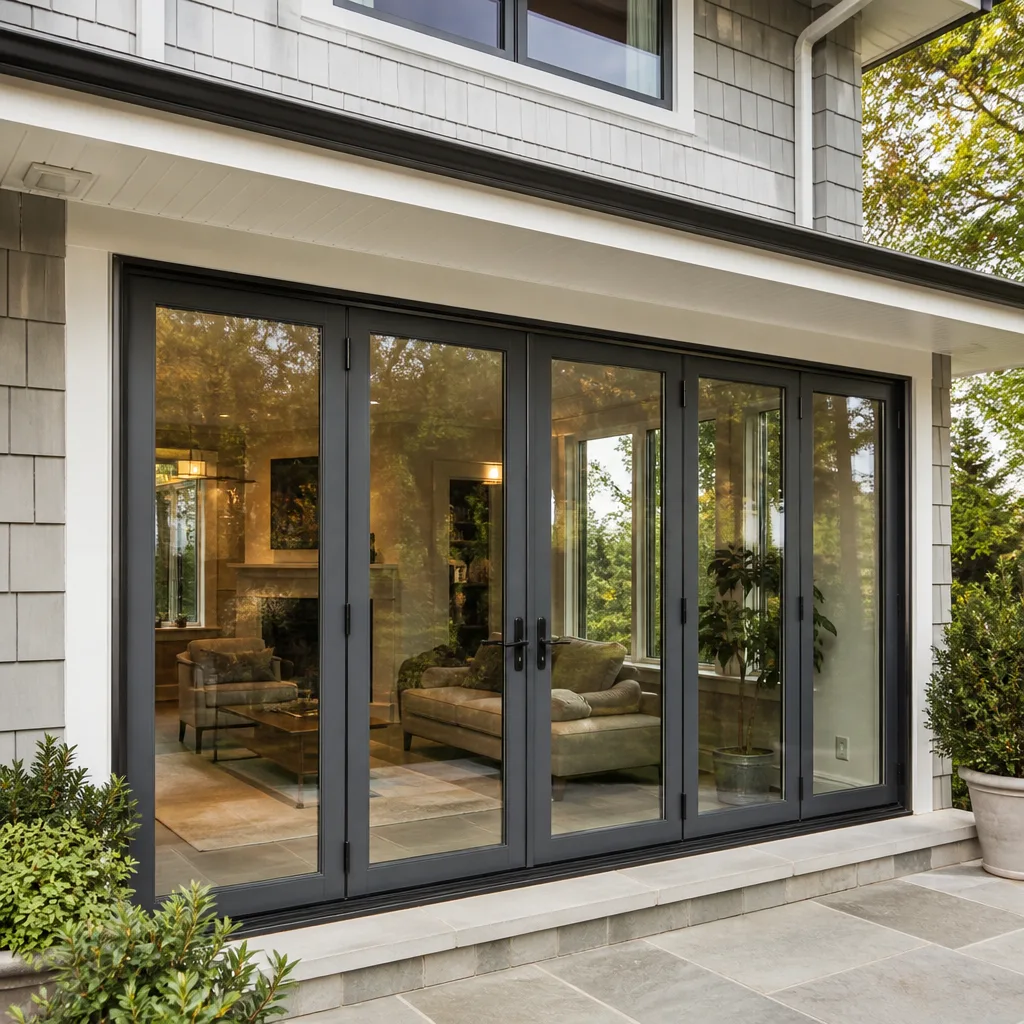
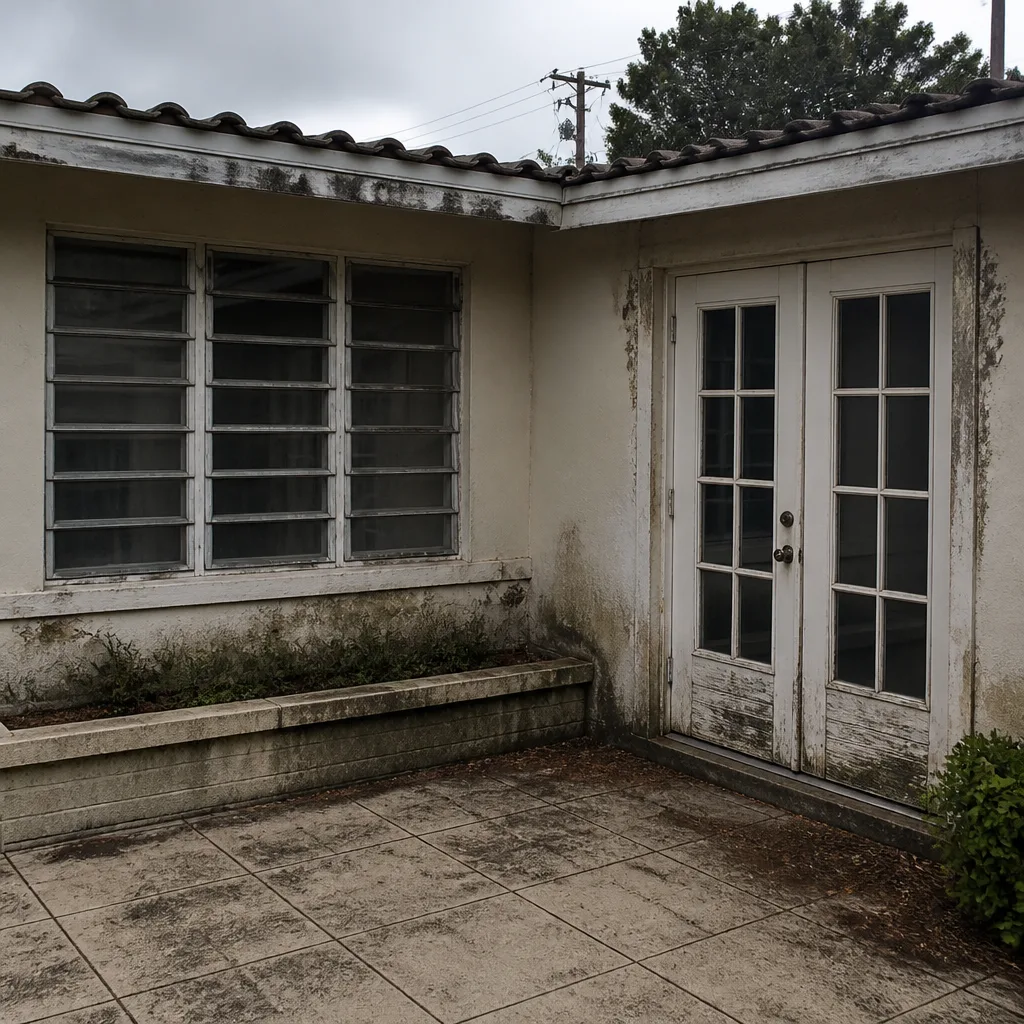 Before
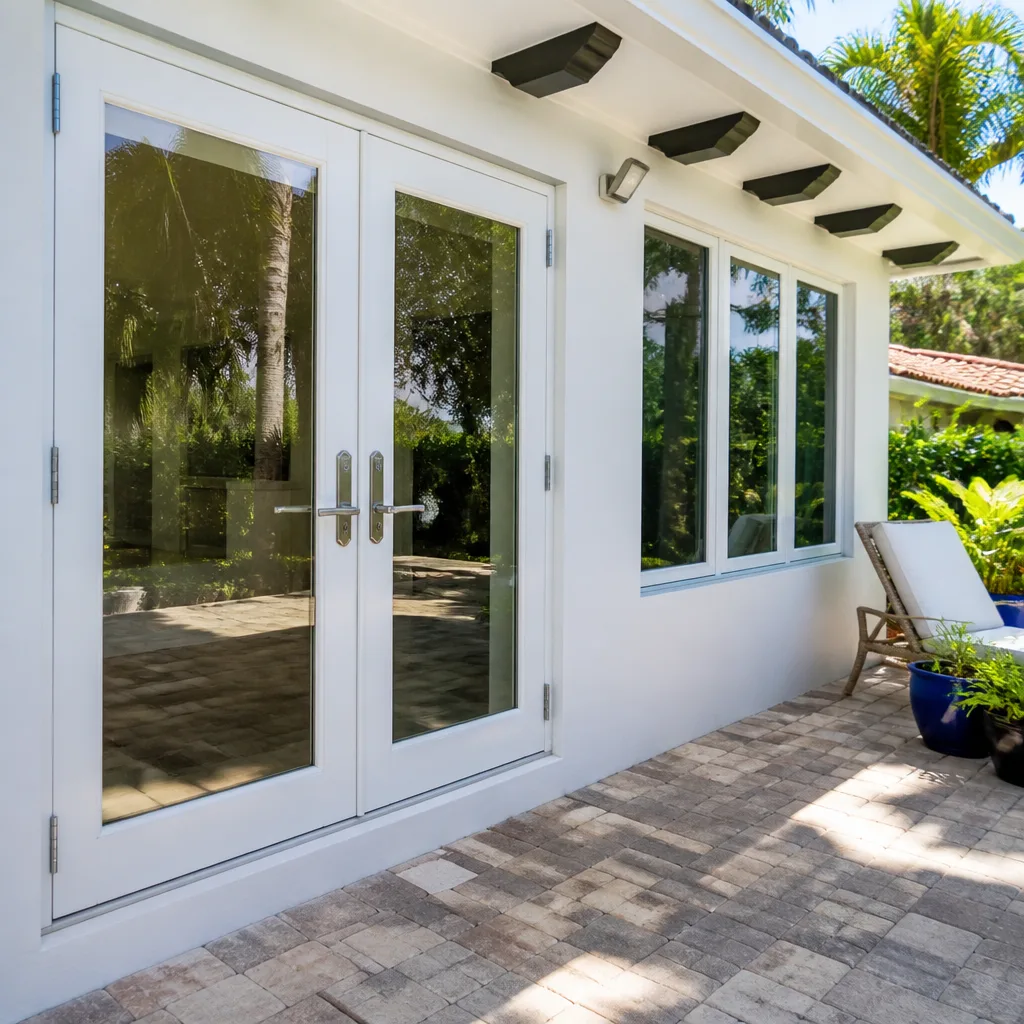 After
After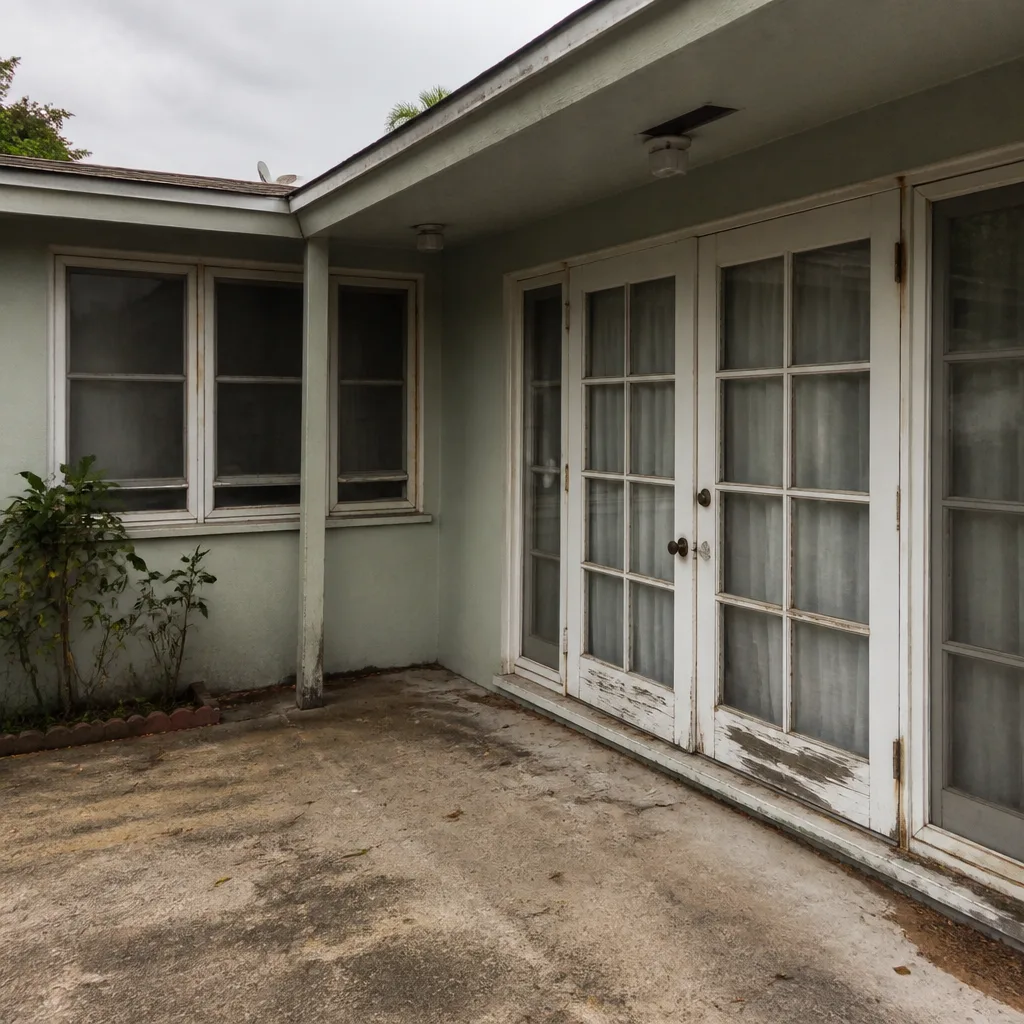 Before
 After
After Before
 After
AfterHow to Hire a Windows & Doors Contractor in Miami: A Step-by-Step Guide
After Hurricane Irma tore through South Florida, the Florida Department of Business and Professional Regulation logged more than 800 contractor complaints in an 18-month stretch. The majority involved unlicensed work, unpulled permits, and failed inspections that left homeowners with windows and doors that couldn’t legally be sold with the house. In Miami, hiring a windows and doors contractor isn’t just about comparing prices or reading reviews. It’s a verification exercise, and most homeowners skip every step that actually matters. This guide walks you through exactly how to check a contractor’s license, read permit records, demand the right contract language, and spot the Miami-specific red flags that separate legitimate operators from storm-chasing crews. For more guides & resources on protecting your home, explore our blog. By the time you finish, you’ll know more about vetting a contractor than most people who’ve lived here for decades.
Quick Answer
Hiring a windows and doors contractor in Miami means verifying their Florida state contractor’s license at myfloridalicense.com, confirming they pull permits and pass final inspections with Miami-Dade County’s building department, checking that the products they’re selling carry Miami-Dade NOA (Notice of Acceptance) numbers, and getting three specific clauses written into your contract: HVHZ product approval numbers, permit pull responsibility, and a written inspection scheduling commitment. Skip the license and permit verification, and you’re gambling on work that could block a future home sale or insurance renewal.
Table of Contents
- Step 1: Verify the Florida Contractor’s License Before the First Meeting
- Step 2: Demand Insurance Certificates and Confirm Coverage
- Step 3: Read Miami-Dade Building Permit Records Like an Inspector
- Step 4: Check for NOA Numbers on Every Product
- Step 5: Put Three Contract Clauses in Writing
- Step 6: Why You Should Never Pull Your Own Permit
- Step 7: Miami-Specific Red Flags That Signal Trouble
- How to Compare Estimates Without Losing Your Mind
Step 1: Verify the Florida Contractor’s License Before the First Meeting
Here’s the thing most homeowners don’t realize: in Florida, the license database is public, free, and takes about four minutes to check. And yet, according to state regulators, a significant portion of the complaints filed after major storms involve contractors who were never licensed to begin with or whose licenses had lapsed before the work started. You can check any contractor’s status at myfloridalicense.com, which is the official DBPR portal. Don’t rely on the license number printed on a business card or painted on a truck. Those can belong to someone else entirely.
Here’s the field-by-field walkthrough:
- Go to myfloridalicense.com and click “Verify a License” on the homepage.
- Select “Contractors” from the license category dropdown.
- Enter the license number or search by name and county. Searching by name pulls up multiple results, so use the license number if you have it.
- Check the license status. It must say “Current, Active.” Anything else, including “Delinquent,” “Inactive,” or “Probation,” is a conversation-ender.
- Note the license type. Window and door installation falls under specific classifications. For most residential work, you want a Certified Building Contractor, Certified Residential Contractor, or a specialty contractor with the right window and door scope. A general contractor license alone doesn’t always cover impact window installation.
- Look for the complaint history tab. The DBPR logs formal complaints, and the record shows whether any are open or were resolved against the contractor. One old complaint from a decade ago isn’t necessarily a dealbreaker, but a pattern of unresolved ones is.
- Confirm the business name matches. If the license holder is “Jose’s Glass LLC” but the estimate came from “Premium Miami Windows Inc.,” ask why. Legitimate contractors sometimes use DBAs, but that DBA should appear on the license record.
At Winslow Windows & Doors home, Ed Winslow publishes his license number directly on the website, alongside the physical address. That’s the standard you should hold every contractor to. If a company won’t give you a license number before the first meeting, you don’t have a first meeting.
Step 2: Demand Insurance Certificates and Confirm Coverage
A license proves the contractor passed state requirements. It does not prove they carry insurance today. In Miami, where impact window installation involves removing structural openings from concrete block walls, the difference between an insured crew and an uninsured one can be the difference between a covered claim and a personal lawsuit.
Ask for a Certificate of Insurance (COI) directly from the contractor’s insurance agent, not from the contractor’s folder. The COI should name your property address and list two specific coverages: general liability and workers’ compensation. General liability minimums for window and door work in South Florida typically run $1 million per occurrence and $2 million aggregate, though many established contractors carry more. Workers’ compensation matters because if an uninsured worker falls off a ladder at your house, your homeowner’s policy can be on the hook.
Call the insurance agency listed on the COI and confirm the policy is still active. We’ve seen certificates that were valid when printed and canceled two weeks later. A two-minute phone call closes that loophole.
Miami-specific note: because of hurricane exposure, some insurers require proof that the installer carries liability coverage that specifically includes windstorm-related claims. If your carrier asks for this and your contractor can’t provide it, you may have trouble getting the work approved.
Step 3: Read Miami-Dade Building Permit Records Like an Inspector
Miami-Dade County maintains a public permit database through the Building Department’s online portal. You can search by contractor name, property address, or permit number. This is where the truth lives, and it’s the step almost no homeowner takes.
When you look up a contractor’s name, you’ll see every permit they’ve pulled in the county. That’s useful, but the detail that matters is the status of each permit. A permit that was issued and then had a final inspection scheduled is the minimum. A permit that shows a final inspection passed is the gold standard. Rough inspections pass all the time, but final inspections are where deficiencies get caught: improper anchoring, missing HVHZ product approvals, window leaks, incorrect flashing.
Here’s how to read the record:
- Pull up the permit list for the contractor. Sort by date and look at the last 10 to 20 permits.
- Check each permit’s status. Look for “Finaled,” “Passed Final Inspection,” or similar language. If you see a string of permits with “Issued” but no final inspection record, ask why.
- Look at the job value listed on the permit. Contractors sometimes under-report project value to reduce permit fees. That’s a red flag. If the contractor quoted you $18,000 and the permit lists $8,000, they’ve already demonstrated a willingness to bend rules.
- Check the property addresses. A contractor with a dozen finaled permits in your neighborhood is a good sign. A contractor whose permits are all across three counties may be fine, but local experience in Miami’s building department processes has real value.
Miami-Dade has stricter product approval requirements than most counties in Florida. The permitting process reflects that. A contractor with a clean record of finaled permits in Miami-Dade has proven they can navigate the more demanding inspection environment. A contractor with a clean record in Broward or Palm Beach hasn’t proven anything about Miami, yet.
Step 4: Check for NOA Numbers on Every Product
Miami-Dade County operates its own product approval system, and the NOA (Notice of Acceptance) is the document that tells you a window or door has been tested and approved for use in the county’s High Velocity Hurricane Zone. Without a valid NOA number, the product cannot pass inspection in Miami-Dade, even if it carries a Florida Product Approval from the state.
Here’s the Miami-specific problem: some contractors quote “permit-ready” prices using products that have Florida state approvals but no Miami-Dade NOA. The price looks great until the inspector shows up and fails the window because the product isn’t county-approved. Now you’ve paid for windows that can’t be installed legally in your house, and the contractor is suddenly harder to reach.
Before you sign anything, get the NOA number for every window and door in the quote. Then verify it on the Miami-Dade County Product Control search portal. The NOA lists the specific product series, sizes, and installation methods. If the window detail in your quote doesn’t match the NOA’s approved configurations, that’s a problem.
This is one of the reasons we install products from manufacturers with deep Miami-Dade approval histories. Brands like PGT, CGI, Therma-Tru, ES Windows, and ECO Window Systems submit products for Miami-Dade testing because they sell heavily in this market. Their NOA documentation is readily available and current. When a contractor presents a quote with these brands, the verification step takes minutes instead of days.
Step 5: Put Three Contract Clauses in Writing
Most contract disputes in Miami come down to three things: what product was actually approved, who was responsible for the permit, and who schedules the inspections. If you get these in writing, you eliminate the most common failure points before they happen.
Clause 1: HVHZ product approval numbers. The contract should list every window and door by size, brand, product series, and Miami-Dade NOA number. Not “impact window, 72 x 48.” The actual NOA number, written down, as part of the contract. If a substitution is later proposed, the contract should require written owner approval before any product change.
Clause 2: Permit pull responsibility. The contract must state, in plain language, that the contractor is responsible for pulling all required permits with Miami-Dade County and that permit fees are either included in the contract price or listed as a separate line item. If the contractor suggests you pull the permit yourself to save money, walk away. We’ll explain why in the next section.
Clause 3: Inspection scheduling commitment. The contract should state that the contractor will schedule and be present for all required inspections, including rough-in and final, and that final payment is not due until the final inspection passes. Some contractors push for “substantial completion” payments before final inspection. In Miami-Dade, where final inspections on window and door replacements can uncover real problems, that’s a clause you reject.
At Winslow, our estimates include written specifics: product, size, NOA, permit responsibility, and inspection schedule. No handshake deals, no “we’ll figure it out later.” The paper protects you, and it protects us too.
Step 6: Why You Should Never Pull Your Own Permit
Some contractors suggest the owner act as an “owner-builder” and pull the permit themselves. The pitch is usually about saving money or speeding things up. Here’s what actually happens.
In Florida, pulling an owner-builder permit makes you legally responsible for the work on that permit, including any construction defects, code violations, and injuries on the job site. That responsibility follows the property. When you eventually sell the house, the buyer’s title company and home inspector may flag the owner-builder permit and ask for documentation that the work was done properly. Your homeowner’s insurance carrier may also review owner-builder permits on renewal and adjust coverage or premium accordingly.
We’ve watched homeowners in Miami spend months untangling this. The buyer’s lender wants proof the windows were installed by a licensed contractor, and the owner-builder permit doesn’t provide it. The seller ends up paying for a retroactive inspection or defending the work they didn’t actually do.
The only legitimate reason a contractor suggests an owner-builder permit is because they don’t want the county reviewing their work under their license. A licensed, insured contractor who stands behind their installs pulls the permit under their own name. Every time.
Step 7: Miami-Specific Red Flags That Signal Trouble
Every city has generic contractor red flags: huge deposits, no written contract, pressure to sign today. Miami adds its own layer because of the hurricane exposure and the county’s product approval system.
- “Permit-ready” pricing without NOA numbers. If the quote says “impact windows” but lists no NOA numbers, the contractor may be selling state-approved products that aren’t Miami-Dade approved. You’ll find out at inspection, and it won’t be fun.
- Storm-chaser behavior after hurricane season. Contractors who appear right after a named storm, quote aggressively, and demand large deposits are a known pattern. Check license status, check local permit history, and don’t sign under pressure.
- Bids that skip the permit line item. A window and door replacement in Miami requires a permit. If the quote has no permit fee, ask whether the contractor intends to pull one. If they’re vague, that’s your answer.
- Deep discounts on “surplus” impact windows. There’s a gray market in South Florida for impact windows that lost their NOA status, came from canceled projects, or were manufactured for markets that don’t require HVHZ testing. These products can’t pass inspection in Miami, regardless of how good the price looks.
- No local address. A P.O. box, a shared office suite, or an address that turns out to be a parking lot. Ed Winslow publishes the Winslow address on the site. A contractor who won’t tell you where they’re based won’t be easy to find when something goes wrong.
How to Compare Estimates Without Losing Your Mind
You’ve verified licenses, checked insurance, reviewed permits, and confirmed NOA numbers. Now you’re holding three estimates that all look different. Here’s how to read them side by side.
First, compare line items, not bottom lines. One estimate may include old door disposal, stucco repair around the new frame, and interior trim. The next may not. The bottom line difference isn’t always a price difference; sometimes it’s a scope difference. Ask each contractor to confirm what’s included so you’re comparing the same job.
Second, verify the product specifications match across quotes. A PGT 5500 series window is not the same as an ES Windows product, even if both are impact-rated. Make sure each quote lists the exact product series so you’re comparing equivalent performance and price.
Third, confirm the permit and inspection responsibilities are identical. If one quote includes permits and another doesn’t, add the permit cost to the one that doesn’t before comparing. In Miami-Dade, window and door permits typically run several hundred dollars, and that’s before any plan review or expediting fees.
Fourth, ask about warranty coverage in writing. Most premium window brands carry 10-year to lifetime product warranties. Installation warranties vary widely. At Winslow, our window installation in Miami work is backed by the 36500-Day Done Right Promise: if it’s not done right, we make it right. That’s a century of accountability, and it’s not a number we picked casually. Ed Winslow has been serving Miami since 2011, and his name is on every job.
If you’re replacing windows and doors as part of a larger exterior upgrade, we also handle roofing. Impact windows in Miami pair best with a roof that’s in good shape, because the whole envelope works together in a hurricane. A window that holds and a roof that doesn’t isn’t much of a win.
Common Mistakes to Avoid
- Skipping the license check because the contractor seemed nice. A warm handshake doesn’t show up on myfloridalicense.com. Verify before you meet, not after you sign.
- Accepting an owner-builder permit to save a few hundred dollars. The savings vanish the first time an insurance adjuster or home inspector asks about the permit.
- Believing “permit-ready” means “Miami-Dade approved.” It doesn’t mean anything. Get the NOA number or downgrade the bid.
- Paying a large deposit before the permit is pulled. Once a contractor has your money and no permit obligation, your leverage disappears. Reasonable deposits exist, but the permit should be pulled promptly after.
- Ignoring the final inspection status on past permits. Passing rough-in is not the same as passing final. Look for “Finaled.”
- Choosing the cheapest quote without checking scope. A $2,000 difference often represents missing stucco work, trim, disposal, or permits. Compare line items.
- Trusting a review site over the county database. Reviews can be bought. Permit records can’t.
When to Call a Professional
Some window and door projects are genuinely DIY. Replacing a door knob or touching up paint around a frame doesn’t require a contractor. But if you’re replacing an impact window in a concrete block home, installing a new exterior door, converting a window to a sliding door, or fixing a failed window after a storm, this is licensed work in Miami-Dade. The county requires permits, inspections, and product approvals that a homeowner can’t navigate alone. If you’re unsure whether your project needs a permit, call the building department or call us. Winslow Windows & Doors offers free estimates in Miami, and we’ll tell you straight whether the work requires a permit. Reach us at (863) 862-5435.
Frequently Asked Questions
Window and door replacement in Miami typically runs $600 to $1,800 per opening for mid-range impact-rated products, with premium brands and custom geometric windows pushing higher. Door replacement averages $1,500 to $4,000 per door depending on material and impact rating. The price is driven by Miami-Dade product approval requirements, the cost of HVHZ-compliant products, and permit fees that most counties don’t have. See our Windows & Doors Cost Breakdown: The Miami Homeowner’s Reference for 2026 for a detailed analysis of where your money goes. Call (863) 862-5435 for a line-item estimate specific to your home.
Yes. Miami-Dade County requires permits for window and door replacement, including like-for-like swaps. The permit process includes a review of the product’s NOA number and a final inspection to confirm proper anchoring and waterproofing. Contractors who suggest skipping the permit are suggesting you break county code.
Yes, and it’s often preferable. A contractor who handles both can coordinate flashing, waterproofing, and structural opening work as one scope. Winslow handles windows, doors, and roofing under one roof, which matters when a window replacement in Miami reveals rotted framing or the need for exterior trim repair.
Most full-home window replacement projects in Miami take 2 to 5 days of on-site work, with additional time for permit review, product ordering, and inspection scheduling. Custom or geometric windows extend lead times. A contractor should give you a written schedule with milestones for permit approval, delivery, installation, and final inspection.
A Florida Product Approval is a statewide rating. A Miami-Dade NOA is a county-specific approval that includes additional testing for the High Velocity Hurricane Zone. In Miami-Dade and Broward counties, a Florida Product Approval without a valid NOA often isn’t enough to pass inspection. Always verify the NOA number for every product in your quote.
Yes. Winslow Windows & Doors provides free, written, line-item estimates for window and door projects throughout Miami-Dade County. We also offer free second opinions on written estimates and no trip charge inside the home county. Call (863) 862-5435 to schedule yours.
Written by Ed Winslow, Owner at Winslow Windows & Doors, serving Miami since 2011.
Six Reasons Homeowners Choose Winslow Windows & Doors
Impact systems engineered to design pressures up to +/-100, matched to your wind zone - your openings hold when the storm arrives.
Low-E insulated impact glass from our manufacturer lines commonly cuts monthly cooling bills 20-30%.
Laminated impact glass shuts out up to 40% of outside noise - traffic, neighbors, weather.
Monitoring services run $30-90 a month. Laminated impact glass resists forced entry around the clock, with no subscription.
Florida homeowners average around 25% savings on the windstorm portion of their policy after protecting every opening - some homes qualify for more.
A full impact package upgrades curb appeal, buyer confidence and appraised value in one project.