
Last updated August 27, 2026
Free in-home measure and quote - PGT, CGI and CWS impact lines compared on your actual openings, style by style
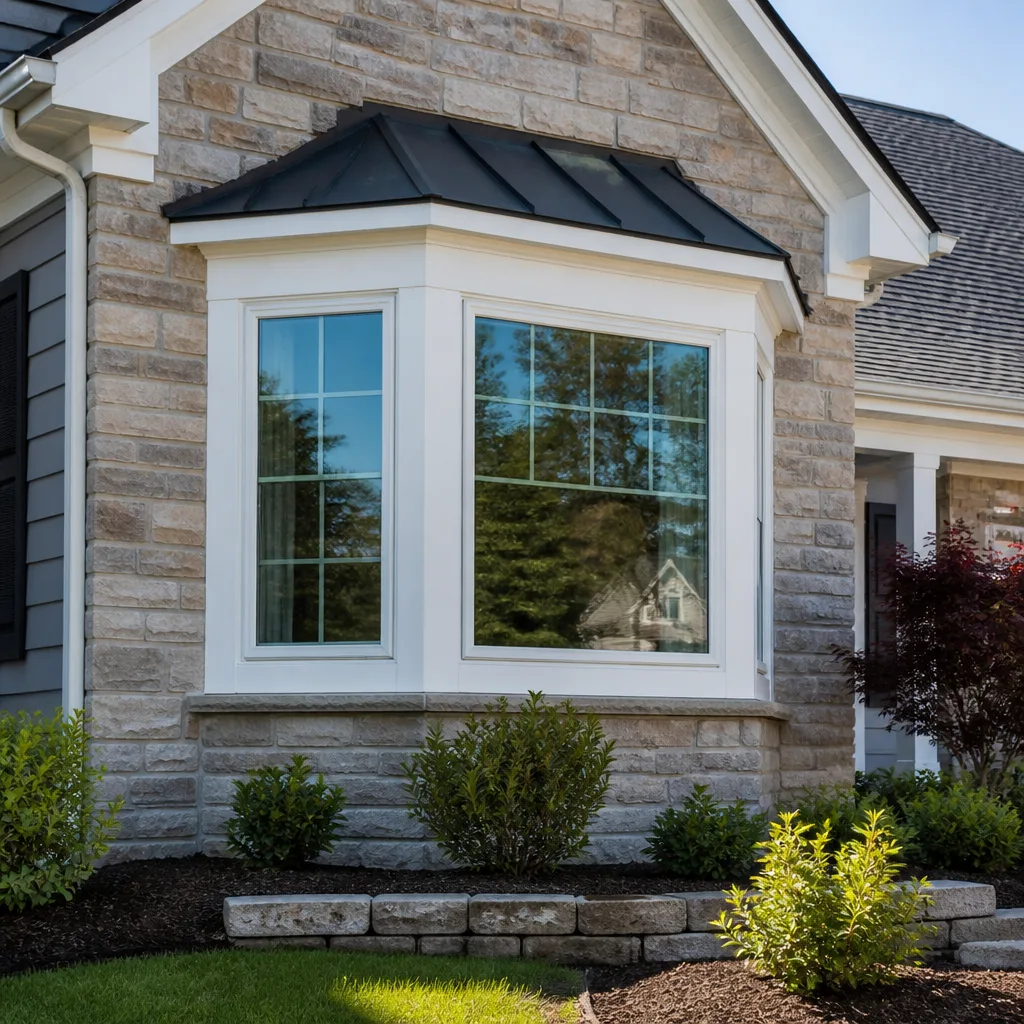
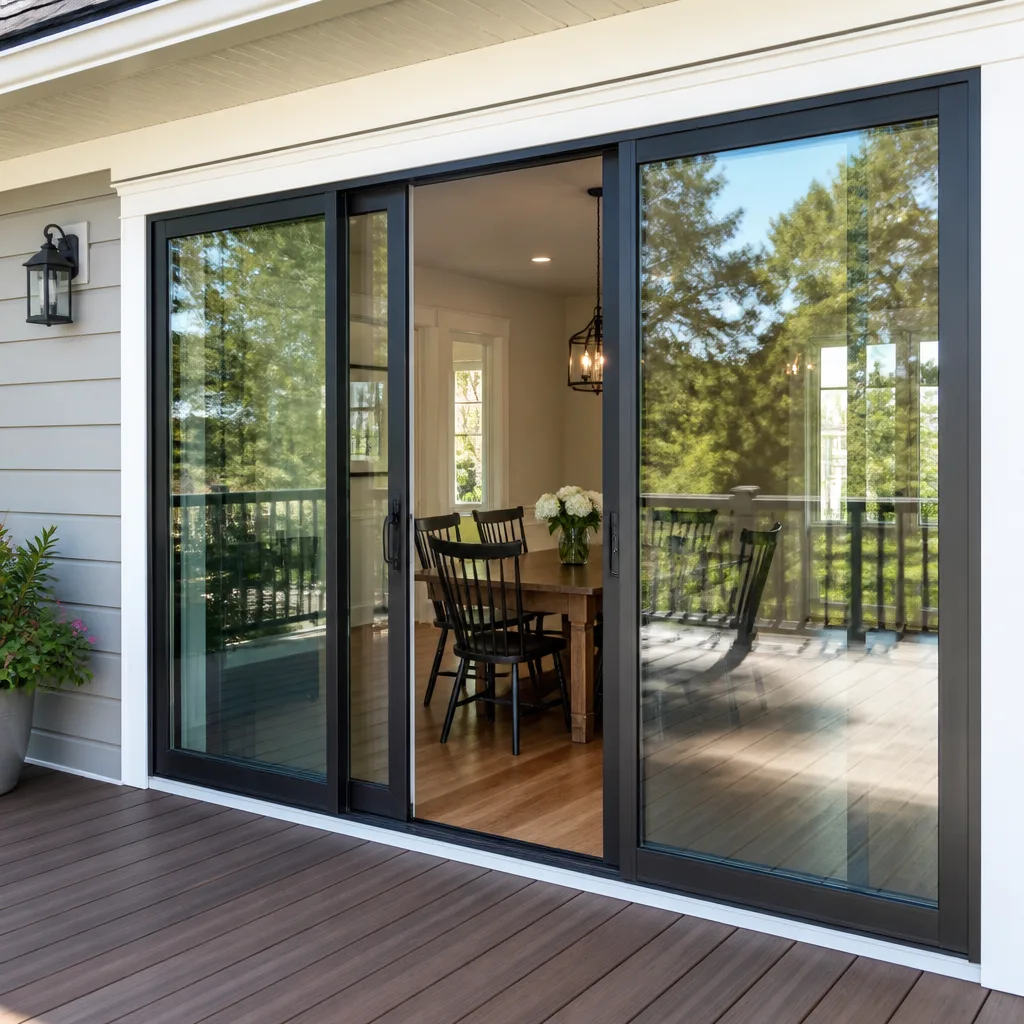
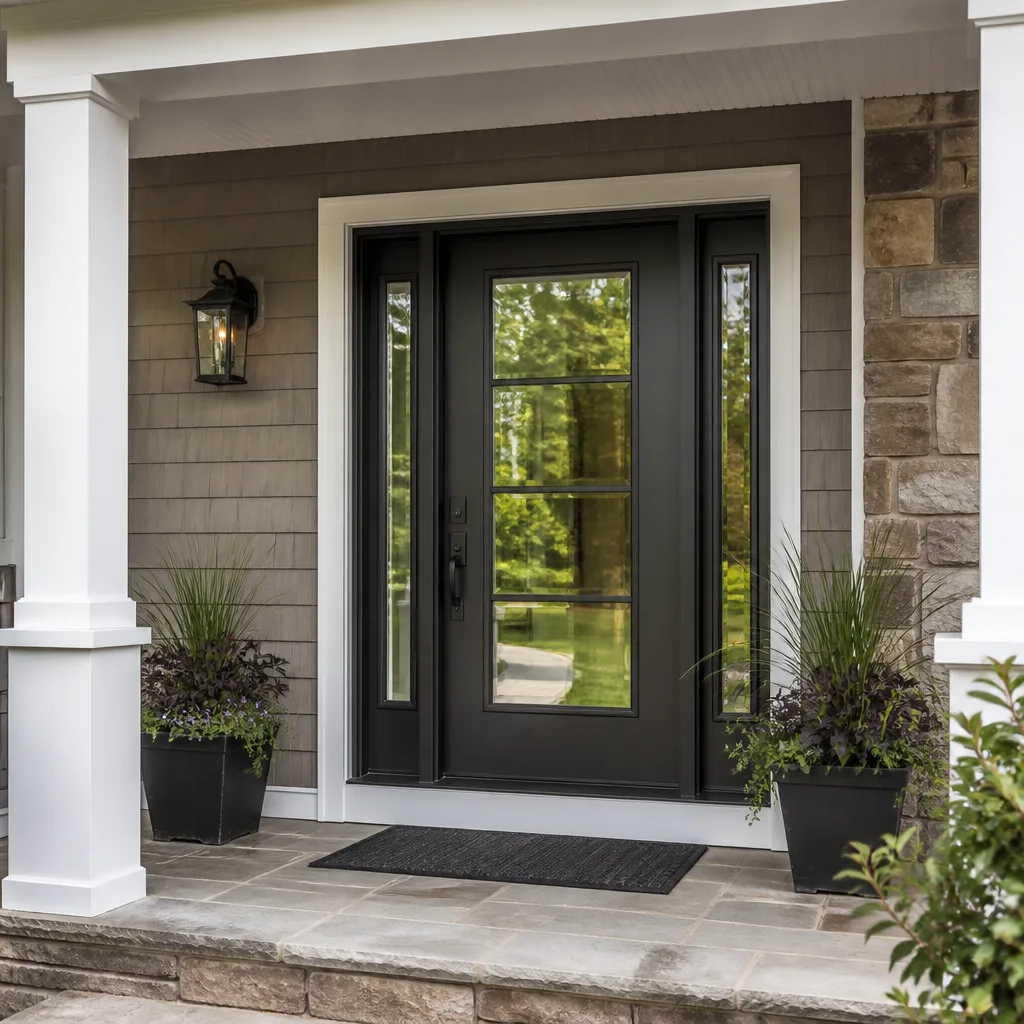
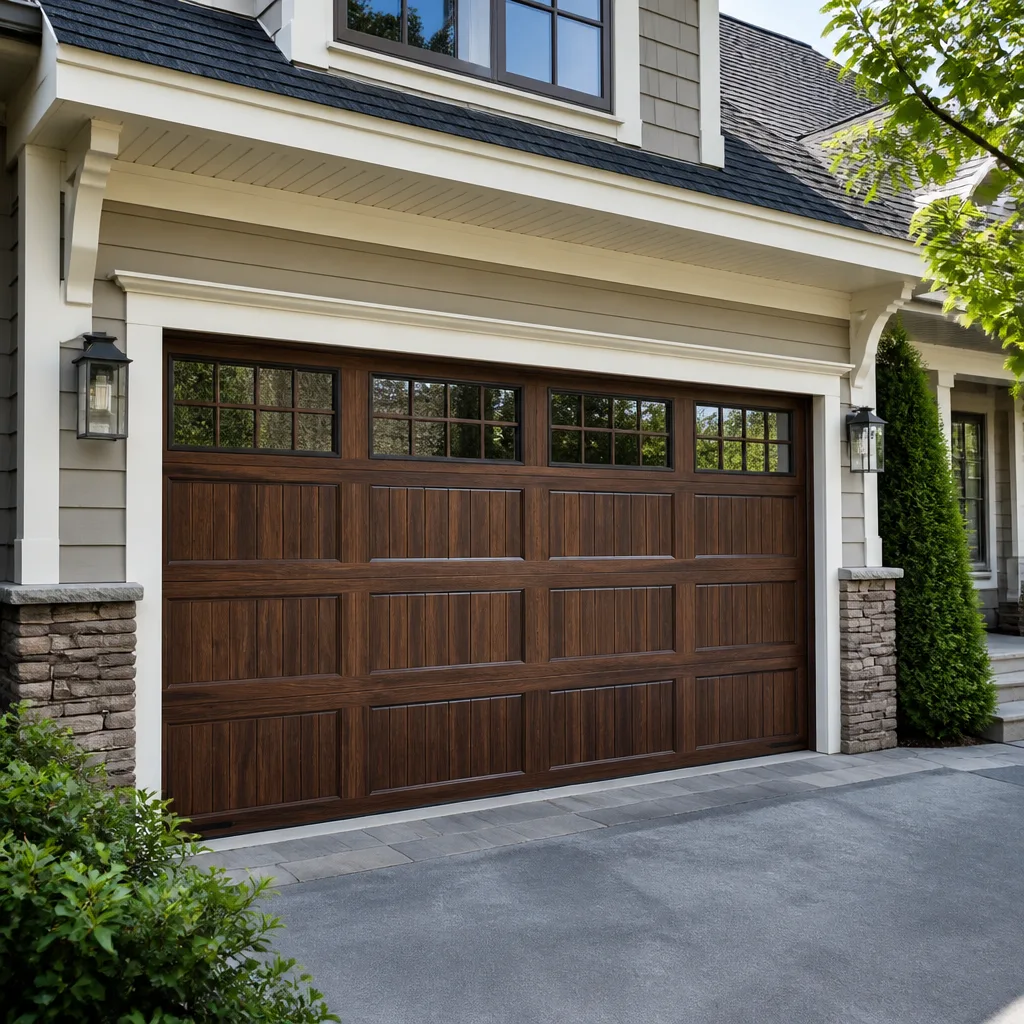
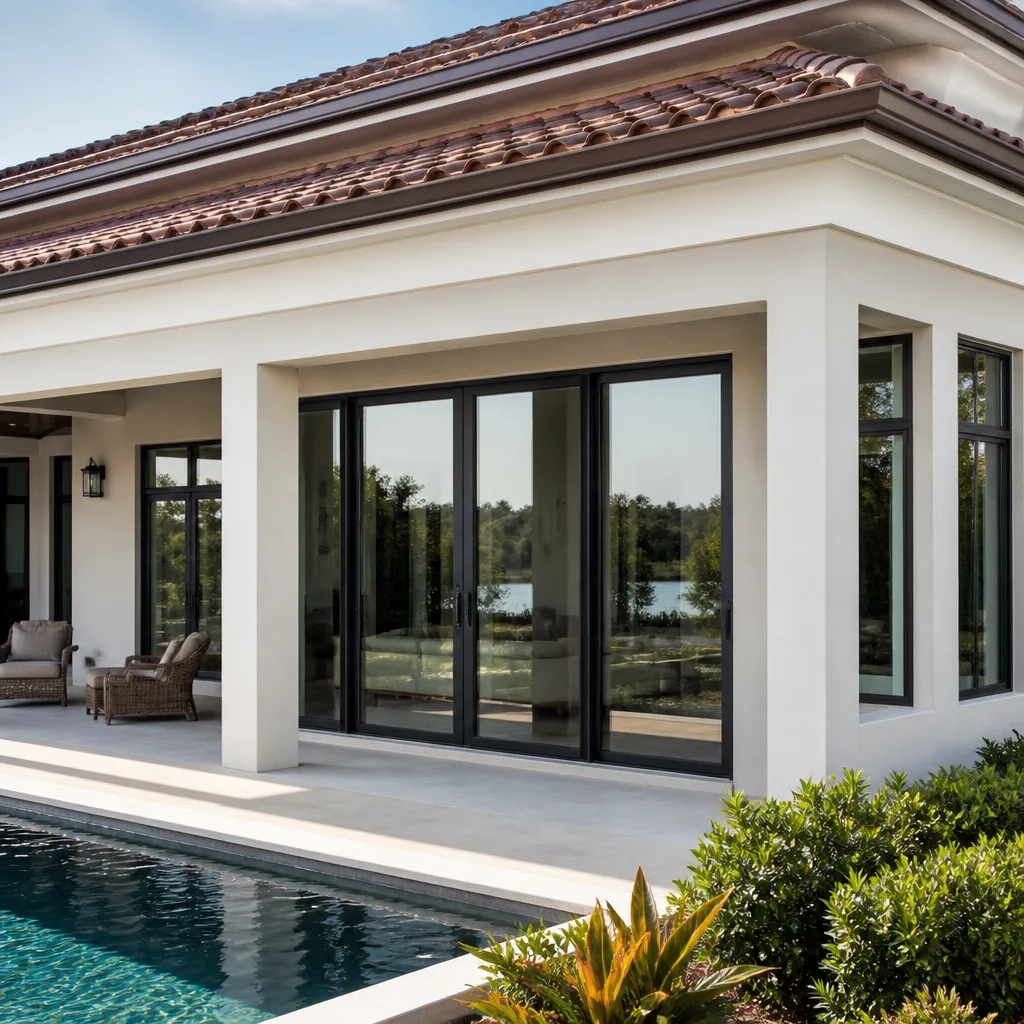
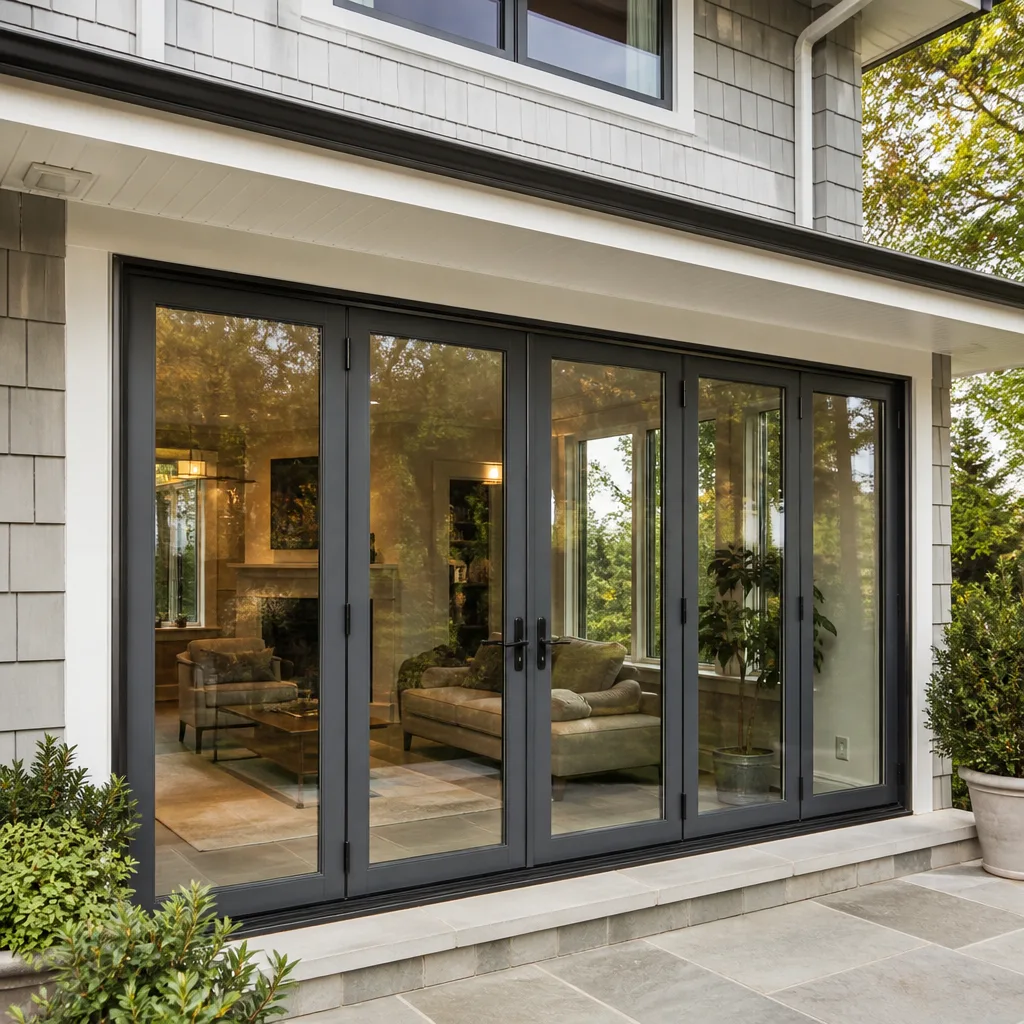
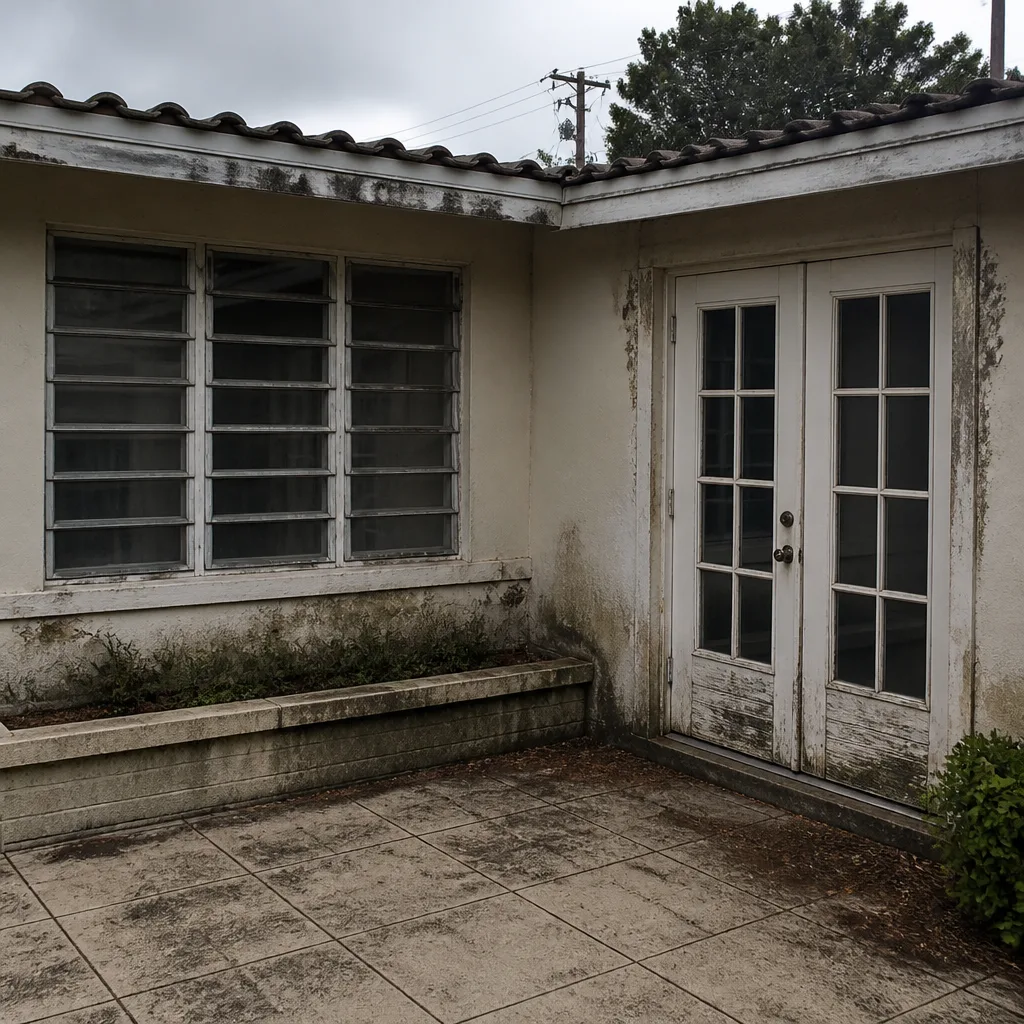 Before
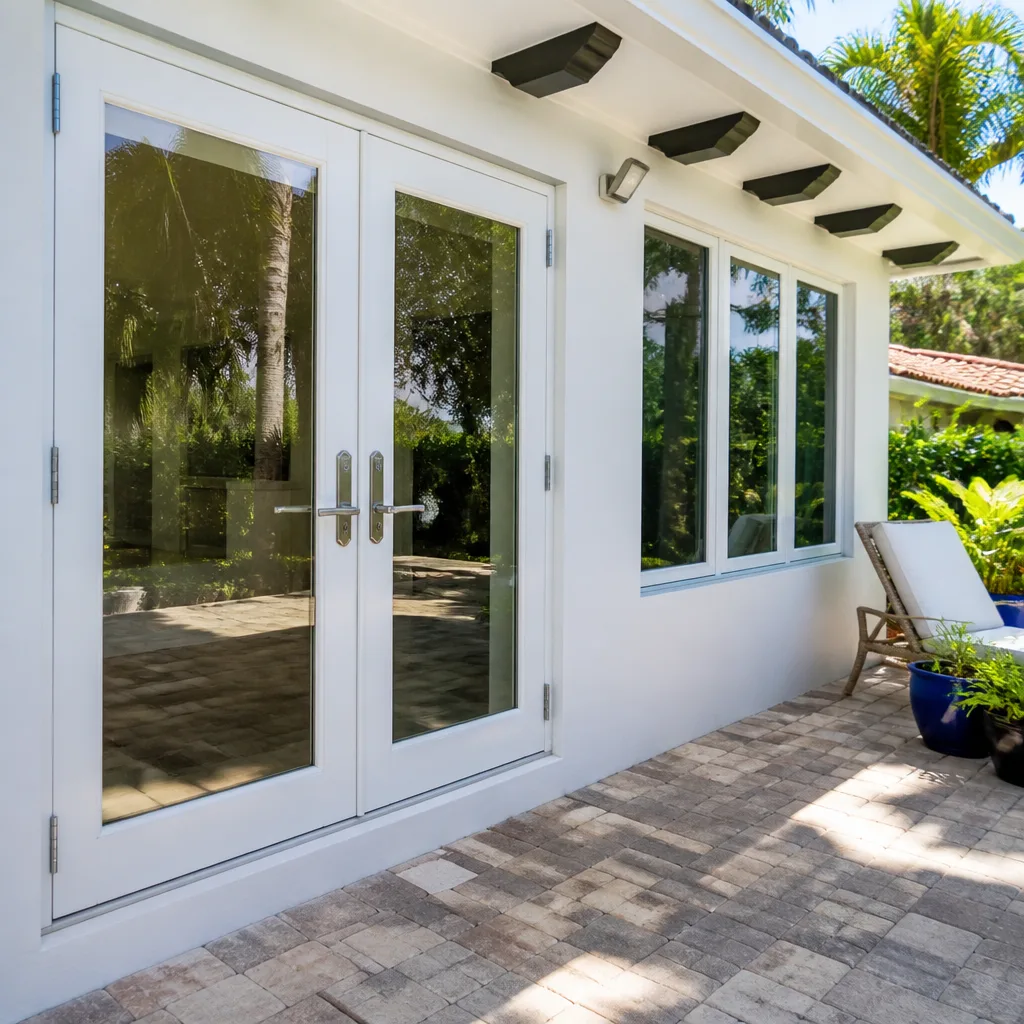 After
After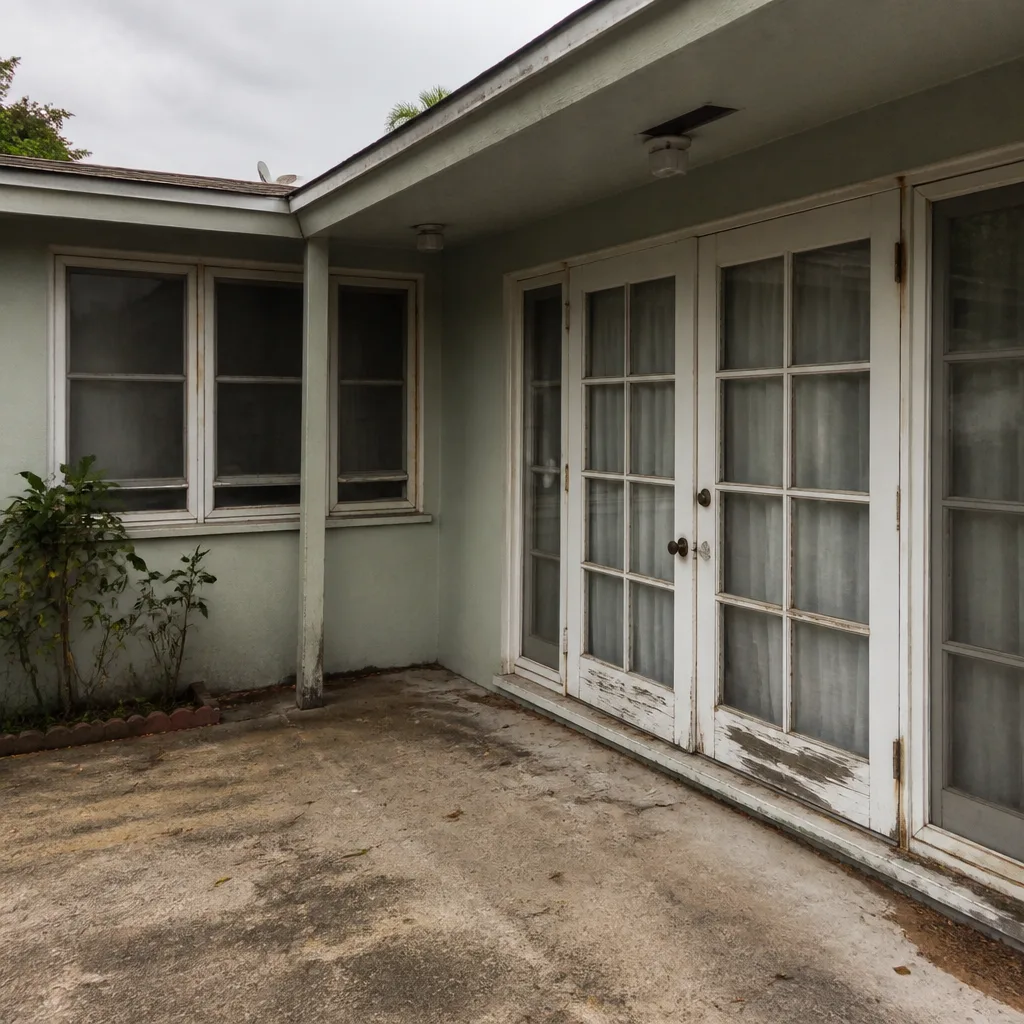 Before
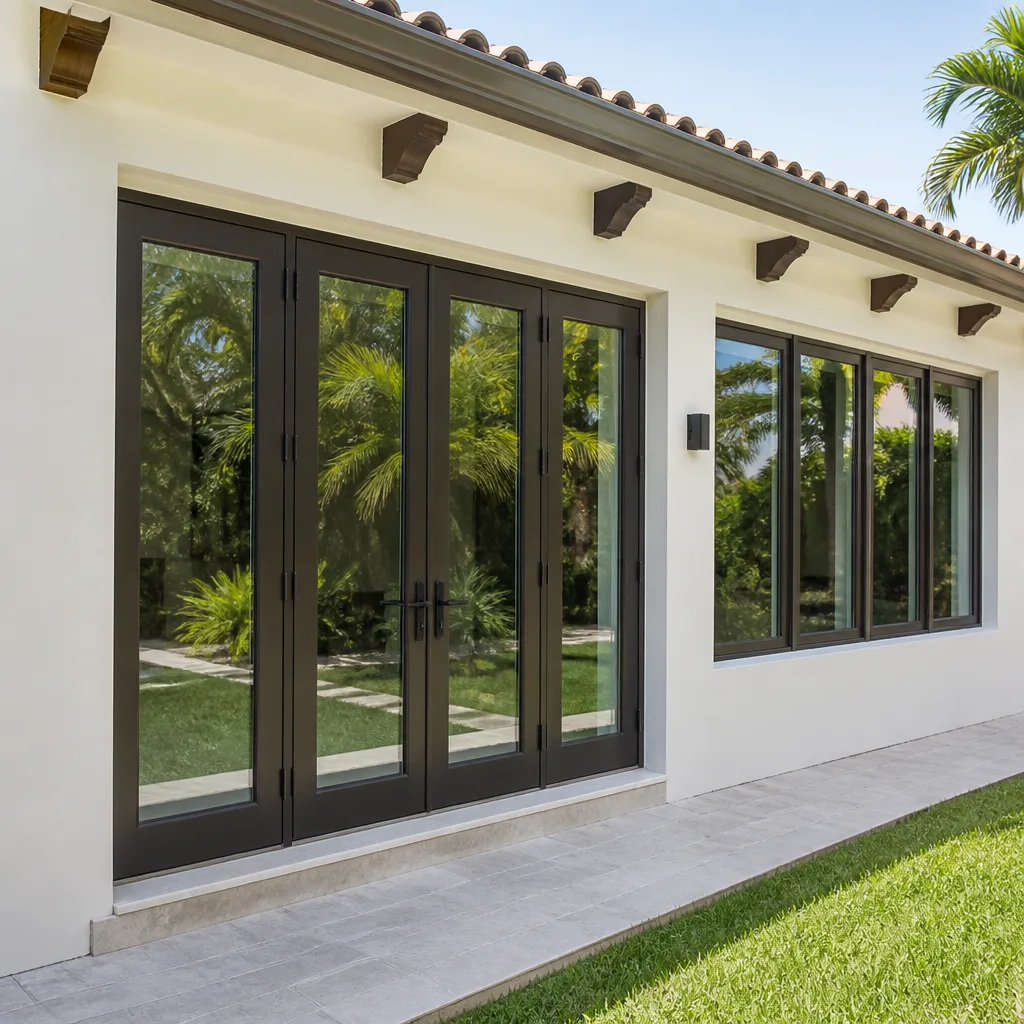 After
After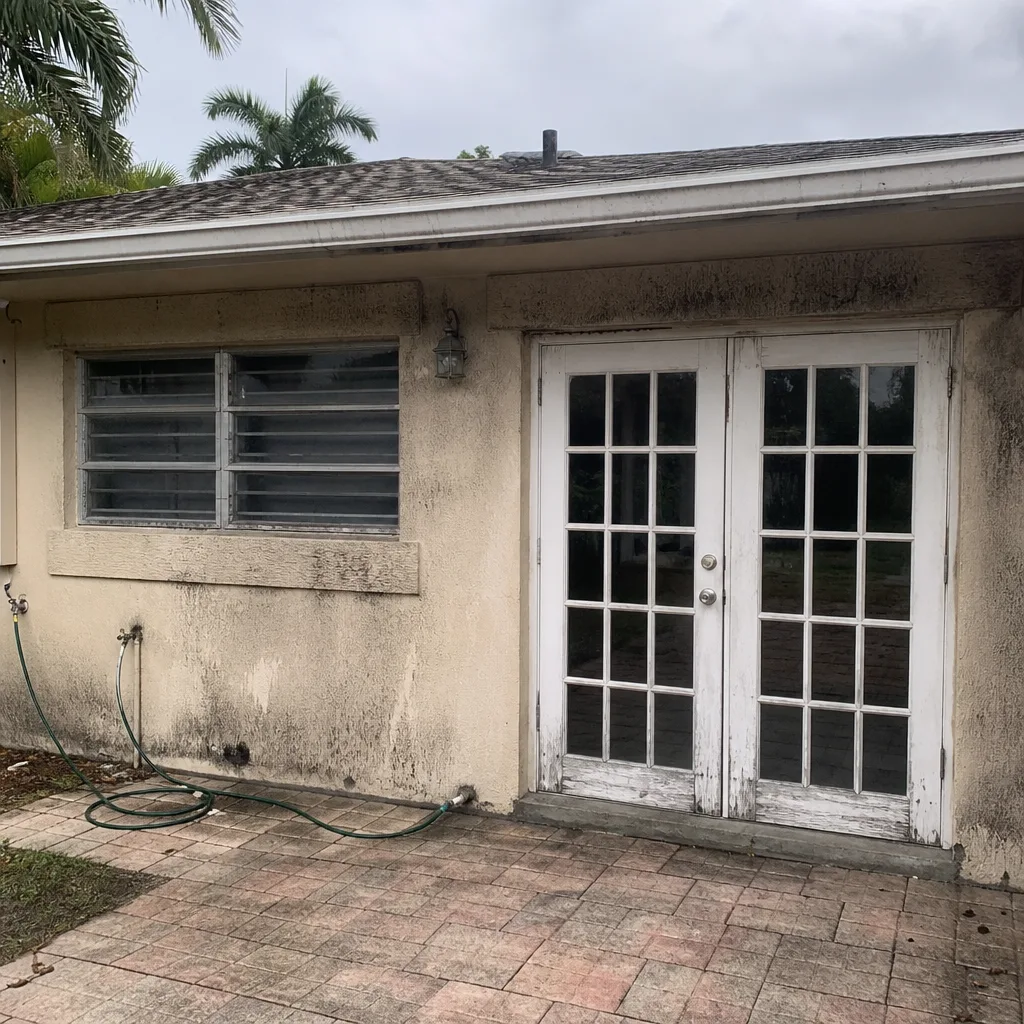 Before
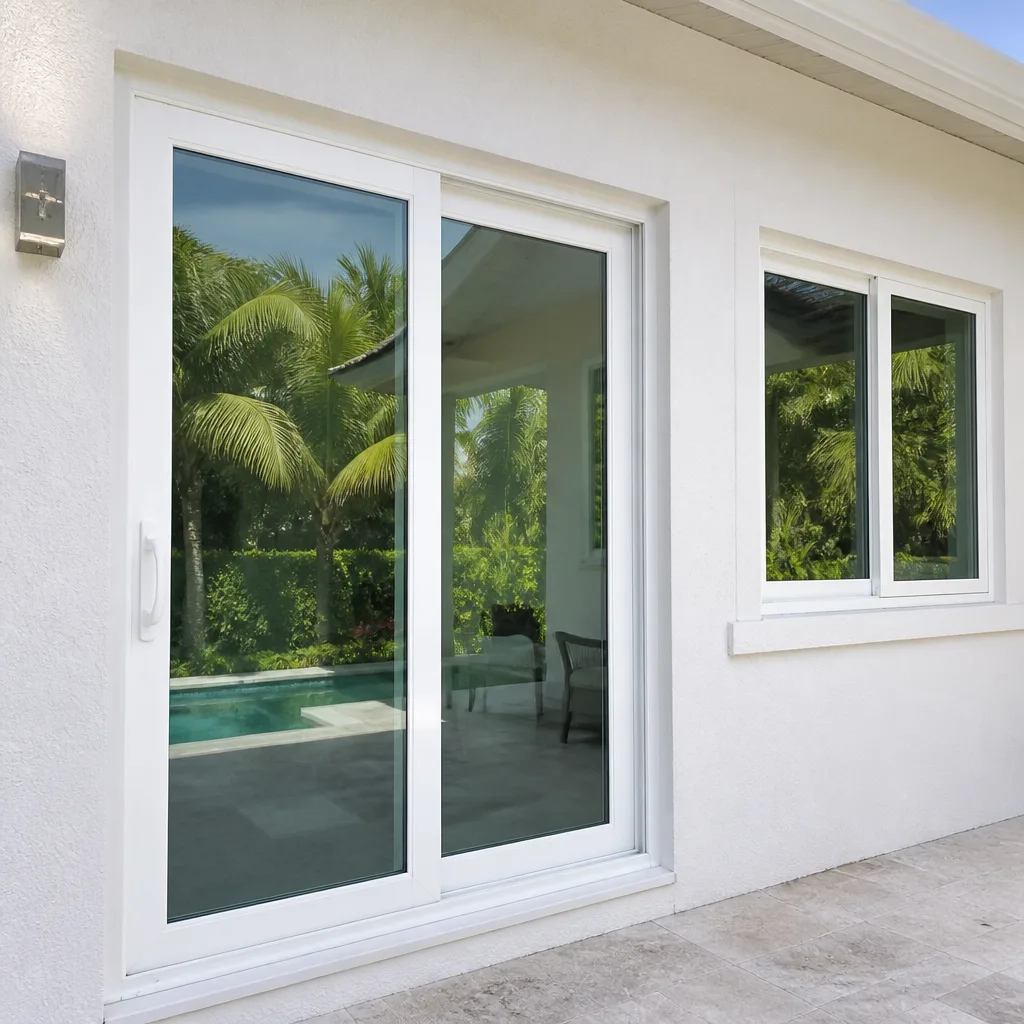 After
AfterDIY vs Professional Windows & Doors: The Miami Homeowner’s Decision Guide
Here’s a number most Miami homeowners don’t know: roughly seven out of ten DIY window installations in Miami-Dade fail their first inspection. That’s not because homeowners lack skill. It’s because Miami’s High Velocity Hurricane Zone (HVHZ) building code was written for professionals who spend every working day inside its 300-plus pages of fastener schedules, anchor spacing charts, and product approval lists. This guide explains where the legal line actually sits between what you can do yourself and what Miami’s code, your insurance policy, and your home’s resale value all say you shouldn’t. By the time you finish reading, you’ll know which jobs are genuinely simple weekend work and which ones carry consequences that outlast the savings.
Quick Answer
In most of the country, a capable homeowner can legally pull a permit and install their own windows. In Miami-Dade, HVHZ code requirements make DIY impact window and door installation a legal and financial risk that almost never pays off. The smart move is to handle small hardware and weatherstripping jobs yourself and hire a licensed Miami contractor for any job that touches the opening, the frame, or the product approval-our How to Hire a Windows & Doors Contractor in Miami: A Step-by-Step Guide can help you choose the right professional.
Table of Contents
- The HVHZ Reality: Why Miami Is Different From the Rest of Florida
- What the Code Actually Requires (And Why It Fails DIY Installs)
- The Insurance Gap: What Your Policy Doesn’t Cover
- The Owner-Builder Disclosure: What Follows the House
- What’s Genuinely DIY-Friendly in Miami
- How to Evaluate Contractor Quotes When You Know the Real Scope
- The Real Cost Comparison: DIY vs Professional
- Common Mistakes to Avoid
The HVHZ Reality: Why Miami Is Different From the Rest of Florida
Florida divides itself into two wind zones for building purposes. Most of the state falls under the Florida Building Code’s standard wind provisions. Miami-Dade and Broward Counties sit inside the High Velocity Hurricane Zone, a designation that exists because this stretch of coastline has absorbed some of the most violent storms ever recorded in the Atlantic basin. Hurricane Andrew flattened entire neighborhoods in 1992 because building practices that were fine in Tampa or Orlando simply didn’t hold up under 165 mph sustained winds.
Since Andrew, Miami-Dade has maintained the strictest window and door installation standards in the United States. Every impact window and door product must carry a Notice of Acceptance (NOA) issued by the Miami-Dade County Product Control Division. That NOA doesn’t just certify the product. It dictates exactly how the product must be fastened to the building: anchor type, anchor spacing, embedment depth, buck attachment method, sealant specification, and flashing sequence. Miss any one of those details and the installation fails inspection, even if the window itself is a top-tier PGT or CGI unit.
What this means in practice: the skill ceiling for DIY window work in Miami isn’t about whether you can level a frame or run a bead of caulk. It’s about whether you can read a product approval document written in engineering language and execute every line of it with no margin for interpretation. Most homeowners can’t. That’s not an insult. It’s simply not what the documents were written for.
What the Code Actually Requires (And Why It Fails DIY Installs)
Let’s get specific. These are the four requirements that separate an HVHZ-compliant impact window installation in Miami from a standard window install anywhere else. These are also the four places where DIY jobs almost always break down at inspection.
1. Anchor Spacing Dictated by the NOA, Not by Preference
Every approved impact window has a specific anchoring schedule. A PGT WinGuard window, for example, might require #10 or 1/4-inch concrete screws spaced no more than 6 inches on center along the header and sill, with specific edge distances from the corner. A CGI product may call for something slightly different. The installer must read the individual NOA for the exact window going into the exact opening and match the fastener schedule precisely. Drive screws at 8 inches because it “looks strong enough” and the inspection fails on measurement alone.
2. Buck Attachment: Concrete vs. Wood Frame
Miami homes built before the 1990s frequently have concrete block walls. Newer construction may use wood frame with stucco. The attachment method is completely different for each. Concrete block requires embedding anchors into the masonry at specified depths. Wood frame requires hitting the structural studs, not just the sheathing. A DIY installer who treats both the same will create a window that looks fine from the living room but can’t hold its rating in a storm. In our experience across Miami neighborhoods from Kendall to Little Havana, we see this specific mistake on nearly every DIY job that reaches us for correction.
3. Sealant Specification, Not Any Caulk
The NOA typically specifies a polyurethane or silicone sealant by product name or performance class. When you use the wrong sealant, two things go wrong. First, the seal fails early under UV exposure and thermal movement, which is constant in Miami’s heat and humidity. Second, the inspection can fail on documentation alone if the sealant doesn’t match the approval. You can’t replace an approved sealant with a $6 tube from the big-box store and expect the same result.
4. Fin Flashing Method
Impact windows with mounting fins must be flashed in a specific sequence: sill flashing first, then the window, then jamb flashing lapped over the side fins, then head flashing that overlaps the jamb flashing. Water must be directed out, not trapped. Reversing the laps or skipping the sill pan means water drives into the wall during Miami’s sideways rain. This is the hardest detail to get right without training because it happens in the part of the job you never see once the window is in.
None of these requirements are hidden. They’re all published. But reading them and executing them are two different skills, and the inspection doesn’t grade on effort.
The Insurance Gap: What Your Policy Doesn’t Cover
Here’s the part most DIY guides skip, and it’s the part that matters most in Miami. When a licensed contractor installs your impact windows, the job carries two layers of protection: the contractor’s liability insurance during installation and the manufacturer’s warranty on the product as professionally installed. When you install the windows yourself, you may think you’re saving thousands. What you’re actually doing is quietly voiding coverage you’ll need exactly when the storm arrives.
Most Florida homeowner’s insurance policies contain language that excludes storm damage to windows and doors that were not installed by a licensed contractor with a permit. The exclusion usually sits in the windstorm or named-storm section of the policy, buried in language about “faulty workmanship” and “non-compliant installation.” Here’s how it plays out: a hurricane hits Miami, your DIY window fails at the frame, water destroys the drywall, the flooring, the kitchen cabinets. You file a claim. The adjuster asks for the permit and the contractor’s license number. When neither exists, the claim for window-related water intrusion gets denied. Not the window. The whole interior damage tied to that window’s failure.
This isn’t theoretical. After Hurricane Irma in 2017, Florida’s insurance litigation records show a pattern of denied claims specifically tied to unpermitted or self-installed window and door work. The state’s Office of Insurance Regulation has documented this issue repeatedly. If your mortgage requires windstorm coverage, and your insurer discovers non-permitted structural work after a loss, the conversation goes downhill fast. The cheapest window install in Miami can become the most expensive one if the insurance company won’t pay when it matters.
There’s also the product warranty angle. PGT, CGI, CWS, and ES Windows all publish warranty terms that require installation by a licensed professional for full coverage. A DIY install can void the warranty on the window itself. You’d have saved on labor and then paid retail for a replacement unit when the seal fails in year three.
The Owner-Builder Disclosure: What Follows the House
Florida law allows a homeowner to act as an owner-builder: pull the permit in your own name, do the work yourself, and sign the liability. Miami-Dade allows this too, with the same HVHZ caveats. What the permit office doesn’t explain clearly is that owner-builder status attaches to the property, not to you, and it outlasts your ownership.
When you sell a home in Florida where you acted as owner-builder on permitted work, state law (specifically Section 553.996, Florida Statutes) requires you to disclose that fact to the buyer in writing. The buyer is then legally considered to have inherited your owner-builder liability. That means if the windows fail or leak after the sale, the buyer can pursue you for repair costs, not a contractor. The standard real estate disclosure forms for Miami-Dade County include a specific question about owner-builder work.
Beyond the legal disclosure, there’s the market reality. Miami buyers are sophisticated about hurricane protection. Many mortgage lenders and insurance underwriters ask for the permit history on a home before closing. When the record shows owner-builder window installation, the buyer’s agent will almost certainly recommend a structural inspection before closing. Inspectors who know Miami will check anchor spacing, look for the NOA documentation, and flag anything non-compliant. The cost of that inspection, plus any corrections, transfers to you as the seller. Homes with professionally permitted, contractor-installed impact windows in Miami sell faster and appraise higher because the documentation is clean.
One more detail: re-inspections cost money. If the buyer’s inspector finds issues, you’re paying for a second inspection after repairs. If the repairs require opening walls to verify anchors, you’re paying for that too. The owner-builder route that saved you $3,000 at install can easily cost $8,000 at resale. We’ve watched it happen enough times in Miami to say it plainly: the savings don’t survive contact with the closing table.
What’s Genuinely DIY-Friendly in Miami
This guide isn’t telling you to stay out of your own home. There’s a real category of window and door work in Miami that’s completely appropriate for a competent homeowner, requires no permit, and won’t touch your insurance or resale value. The line is simple: if the work doesn’t affect the structural connection between the window unit and the building, you can probably handle it.
Here’s what falls on the safe side of that line:
- Hardware replacement: swapping worn handles, locks, hinges, and rollers on existing windows and doors. This is mechanical, not structural. You’re not breaking the weather seal or changing the anchoring.
- Weatherstripping and seal replacement: pulling old compression seals from door bottoms and window sashes and pressing in new ones. This improves energy efficiency and is genuinely simple.
- Interior casing and trim: replacing the decorative wood or MDF trim around a window on the inside of the house. Cosmetic, non-structural, zero code involvement.
- Screen repair: re-screening a torn window screen with a spline roller and replacement mesh.
- Caulking interior gaps: sealing visible air leaks around interior trim with paintable latex caulk. Note: this is different from the structural sealant required on the exterior side of an impact window.
What’s on the wrong side of the line: removing an existing window or door from its opening, replacing an impact window or door with anything else, cutting a new opening, resizing an opening, replacing frame anchors or fasteners, and installing anything that carries an NOA requirement. If the job requires a permit in Miami-Dade, it requires a licensed contractor. Here’s a memory aid: if the tool list includes a reciprocating saw or a hammer drill with a masonry bit, that’s contractor work. If the tool list tops out at a screwdriver and a utility knife, it’s likely DIY territory.
How to Evaluate Contractor Quotes When You Know the Real Scope
Once you understand what actually goes into a code-compliant Miami window or door installation, you can read a contractor’s quote with better eyes than most homeowners. The goal isn’t to find the cheapest price. It’s to find out whether the contractor is doing the job correctly or cutting the same corners you’d be tempted to cut yourself.
Here are the questions that reveal whether a contractor takes HVHZ compliance seriously:
- “May I see the NOA for the specific product you’re quoting, and may I keep a copy?” A contractor who can’t produce the Notice of Acceptance for the exact window or door model in your quote is a risk. This document is the backbone of Miami’s entire impact program. There’s no legitimate reason to withhold it.
- “Will the permit be pulled in the contractor’s name with the license number listed?” If the answer involves the words “owner-builder” or suggests you pull the permit, walk away. This shifts liability to you, and it likely means the contractor has an issue with their own license or insurance.
- “How do you verify anchor embedment in concrete block during installation?” The correct answer involves torque testing, depth verification, or both. Vague answers like “we’ve done this for years” don’t count.
- “What sealant do you specify and why?” A real answer names a product line or performance class tied to the manufacturer’s installation instructions. If the answer is “whatever’s on the truck,” the bead won’t last.
- “Does your quote include flashing as a line item?” Flashing materials have real cost. If they’re buried in the labor number, you can’t tell whether they’re actually planned. Every legitimate Miami impact window quote should break out flashing separately.
None of these questions are designed to trap a good contractor. They’re designed to expose the ones who are pricing a shortcut. A licensed Miami installer who does HVHZ work daily will answer all five without pausing.
The Real Cost Comparison: DIY vs Professional
Let’s put actual numbers on the decision. These are ranges based on what we see in the Miami market for standard-size impact window and door installations in single-family homes, not high-rise work.
Single Impact Window Replacement (Standard Size, Concrete Block)
- DIY material cost (PGT or equivalent): $550 to $800 per window
- DIY tool and supply cost (anchors, sealant, flashing, rental equipment): $150 to $300, assuming you own nothing specialized
- DIY total, first attempt: $700 to $1,100 per window
- Professional installed cost (materials and labor, permitted): $900 to $1,400 per window
- Realistic savings per window: $200 to $300
That savings is the entire appeal of DIY. Now subtract what it costs when things go wrong. A failed inspection in Miami-Dade carries a re-inspection fee of at least $150. Corrections on anchor spacing typically require re-drilling, which means touching up stucco and repainting: another $200 to $400. A removal order, which happens when the installation is too far off to correct in place, means tearing the window out and starting over with a new one, because drilled-out anchors can’t be reused. That’s the full material cost again, plus disposal. One removal order erases the savings on five windows.
Single Exterior Door Replacement (Impact-Rated, Standard Size)
- DIY material cost (Therma-Tru or equivalent impact door): $1,200 to $1,800
- DIY tool, hardware, and supply cost: $200 to $400
- DIY total, first attempt: $1,400 to $2,200
- Professional installed cost (materials and labor, permitted): $2,000 to $3,200
- Realistic savings per door: $600 to $1,000
Door savings look better on paper, but doors are where DIY jobs go wrong most often in Miami. A door carries a sill pan, threshold sealing, and kick plate anchoring requirements that no window has. A door that leaks at the threshold doesn’t just fail inspection; it rots the subfloor, and Miami’s humidity accelerates that process fast. We’ve repaired DIY door installs in Coconut Grove where water had been running under the threshold for two years before anyone saw the damage. The door had to come out, the subfloor had to be replaced, and the repair cost more than professional installation would have in the first place.
Common Mistakes to Avoid
- Assuming your homeowner’s insurance covers DIY window failures. Florida policies commonly exclude storm damage to non-professionally installed windows and doors. Check your policy’s windstorm exclusion language before you buy a single window.
- Buying impact windows without confirming the NOA matches your wall type. A product approved for wood-frame installation isn’t automatically approved for concrete block. The NOA is specific, and Miami-Dade inspectors know the difference.
- Using construction adhesive instead of mechanical anchors. No approved HVHZ product relies on adhesive alone to hold an impact window in place. Every NOA requires mechanical fasteners. If your plan involves “liquid nails” as the primary attachment, the inspection will fail, and so might the window in a storm.
- Flipping the flashing laps. The sill goes first, then jambs, then the head. Reversing this traps water in the wall. It’s the most common DIY flashing error we see in Miami, and it’s invisible once the stucco goes back on.
- Skipping the permit entirely. Unpermitted window work in Miami-Dade creates a paperwork trail problem at resale and gives your insurer a reason to deny future claims. Permits aren’t optional for structural window and door work here.
- Treating impact windows like standard windows. The anchoring requirements are entirely different. A YouTube tutorial recorded in Ohio teaches you almost nothing about Miami’s HVHZ code. What works in a non-hurricane state has no bearing on what passes inspection here.
- Underestimating disposal and repair costs after a failed DIY attempt. Old windows, broken stucco, and re-inspection fees add up. Many homeowners who fail a DIY install eventually hire a contractor to fix it, which means they paid for the job twice.
When to Call a Professional
Call a licensed Miami contractor when the work touches an opening, a frame, an anchor, a seal, or a product approval. That covers every impact window replacement, every exterior door replacement, every sliding glass door installation, and every repair that requires removing a unit from its opening. Call when the permit is required, when your insurance policy demands contractor-certified installation, and when the NOA dictates fastener and sealant specifications you’re not equipped to verify. If you’re not sure which side of the line your project falls on, call and ask. Impact window work in Miami is never worth guessing on. Winslow Windows & Doors offers free estimates in Miami and Miami-Dade, and we’ll tell you honestly whether your job is DIY-safe or contractor-only. Call (863) 862-5435.
Frequently Asked Questions
Florida law permits owner-builder permits, but Miami-Dade’s HVHZ code requires impact window installations to meet NOA fastener, anchor, sealant, and flashing specs that are extremely difficult for a non-professional to execute correctly, and a failed inspection can result in a removal order. The work is technically legal to attempt, practically unwise to fail.
A failed inspection triggers a correction period and re-inspection fee. If the installation can’t be corrected in place, the inspector can issue a removal order requiring the windows to be pulled out and reinstalled, which means purchasing new units because drilled anchors can’t be reused. Call (863) 862-5435 if you’re facing a correction notice and want a free assessment before spending more.
Most Florida homeowner’s policies contain exclusions for storm damage to windows and doors that were not professionally installed with a permit. If a homemade window install fails during a hurricane, the resulting interior water damage claim can be denied on the exclusion. Read your specific policy language carefully; it’s usually in the windstorm section.
Hardware replacement, weatherstripping, interior casing, screen repair, and interior caulking are all DIY-appropriate because they don’t affect the structural anchoring or weather seal of the window unit; for a full schedule of these tasks, see our Seasonal Windows & Doors Care for Miami: Year-Round Homeowner’s Guide. Anything requiring a permit, an NOA, or removal of the unit from the opening is contractor work.
Yes. Florida law requires you to disclose owner-builder work to buyers, and that disclosure transfers your liability to the next owner. Miami buyers and their inspectors treat owner-builder window work as a red flag, which can delay closing, trigger re-inspection costs, and reduce your sale price. Professionally permitted work with clean documentation sells easier and appraises better.
For a standard-size impact window in a concrete block Miami home, professionally installed cost typically ranges from $900 to $1,400 per window, including materials, labor, and permit. Exterior impact doors range from $2,000 to $3,200 installed. For an exact quote on your specific openings, call (863) 862-5435 for a free estimate.
The Bottom Line
In Miami, the DIY vs professional window and door decision isn’t really about your skill with tools. It’s about whether you can meet a code written to protect against 165 mph winds, whether your insurance will still cover you when the next storm arrives, and whether the savings survive resale. The genuinely DIY-friendly work is narrow: hardware, weatherstripping, trim, screens. Everything that touches the opening belongs in the hands of a licensed contractor who reads NOAs for a living. If you’re weighing the decision right now, start with a free estimate. It costs nothing to learn what the job actually involves, and that conversation will tell you whether your project is a weekend project or a professional one. Window installation in Miami doesn’t have to be a gamble. Window replacement in Miami done right protects more than your view; it protects your insurance, your resale, and your family. That’s what we’ve spent over a decade doing, and Winslow Windows & Doors home is where Ed’s name is on the door and on every job we do. Call (863) 862-5435 for your free estimate.
Written by Ed Winslow, Owner at Winslow Windows & Doors, serving Miami since 2011. For more guides & resources, visit our blog.
Six Reasons Homeowners Choose Winslow Windows & Doors
Impact systems engineered to design pressures up to +/-100, matched to your wind zone - your openings hold when the storm arrives.
Low-E insulated impact glass from our manufacturer lines commonly cuts monthly cooling bills 20-30%.
Laminated impact glass shuts out up to 40% of outside noise - traffic, neighbors, weather.
Monitoring services run $30-90 a month. Laminated impact glass resists forced entry around the clock, with no subscription.
Florida homeowners average around 25% savings on the windstorm portion of their policy after protecting every opening - some homes qualify for more.
A full impact package upgrades curb appeal, buyer confidence and appraised value in one project.