Free in-home measure and quote - PGT, CGI and CWS impact lines compared on your actual openings, style by style
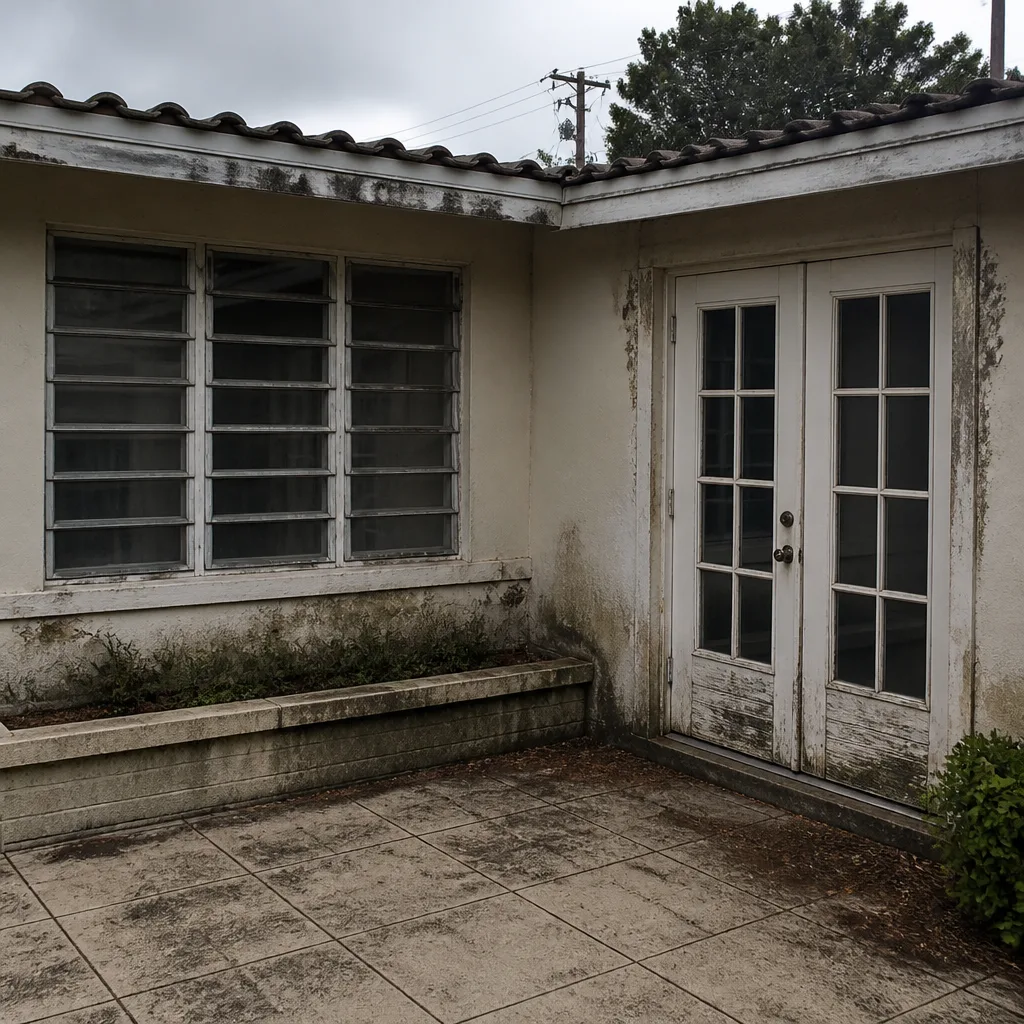 Before
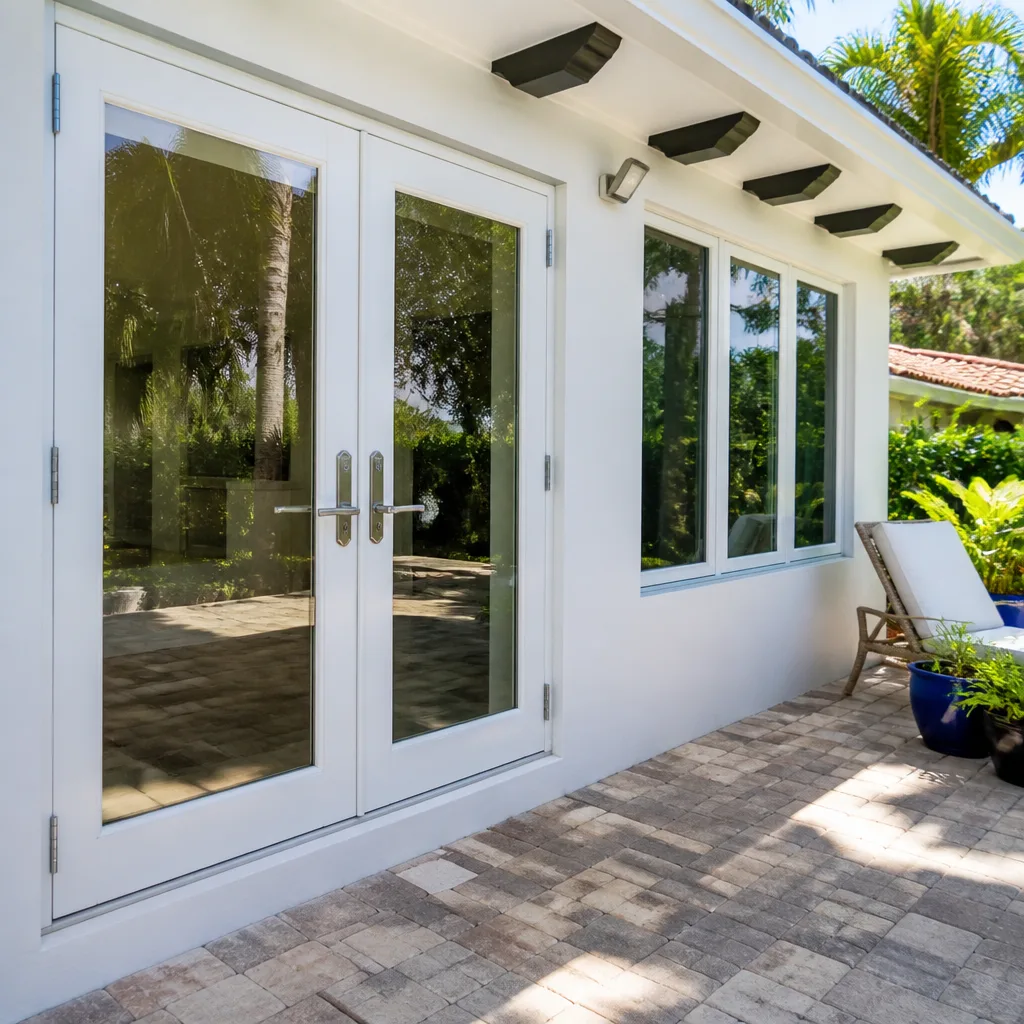 After
After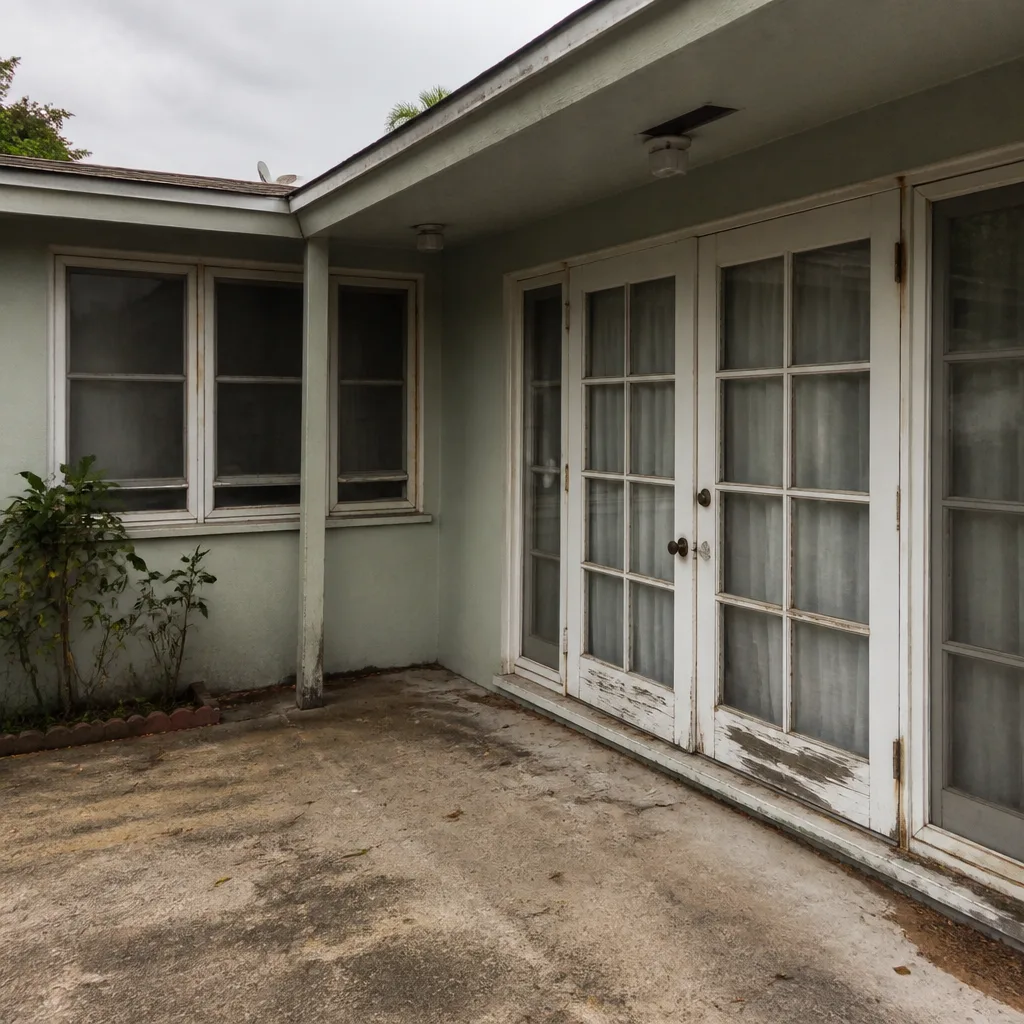 Before
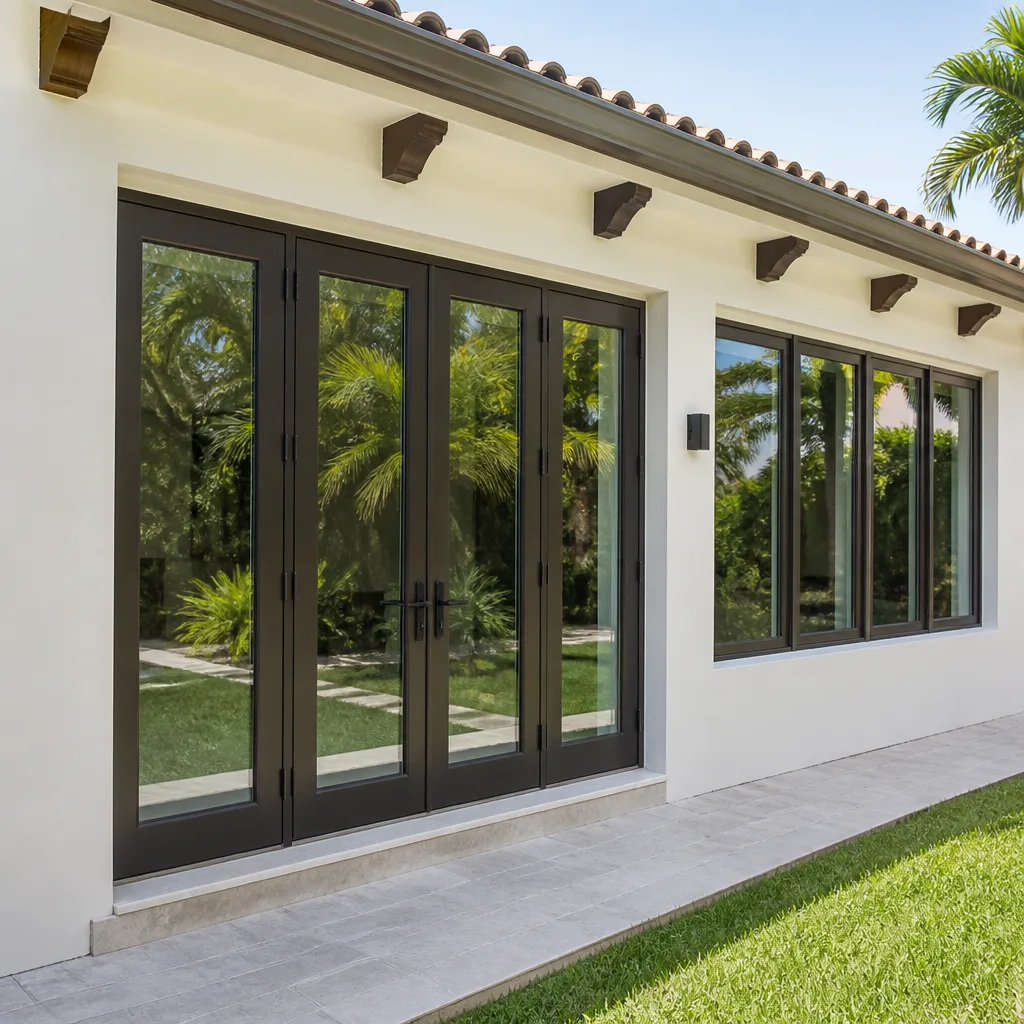 After
After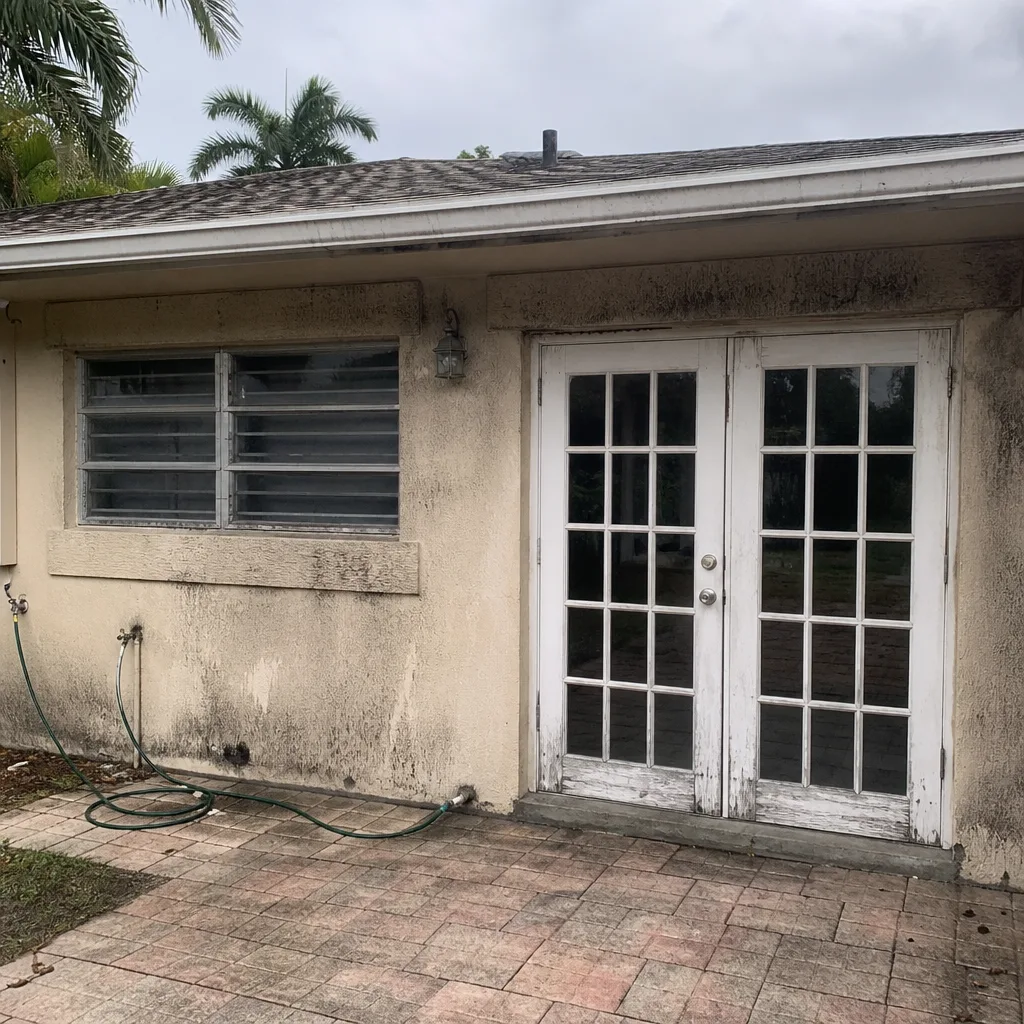 Before
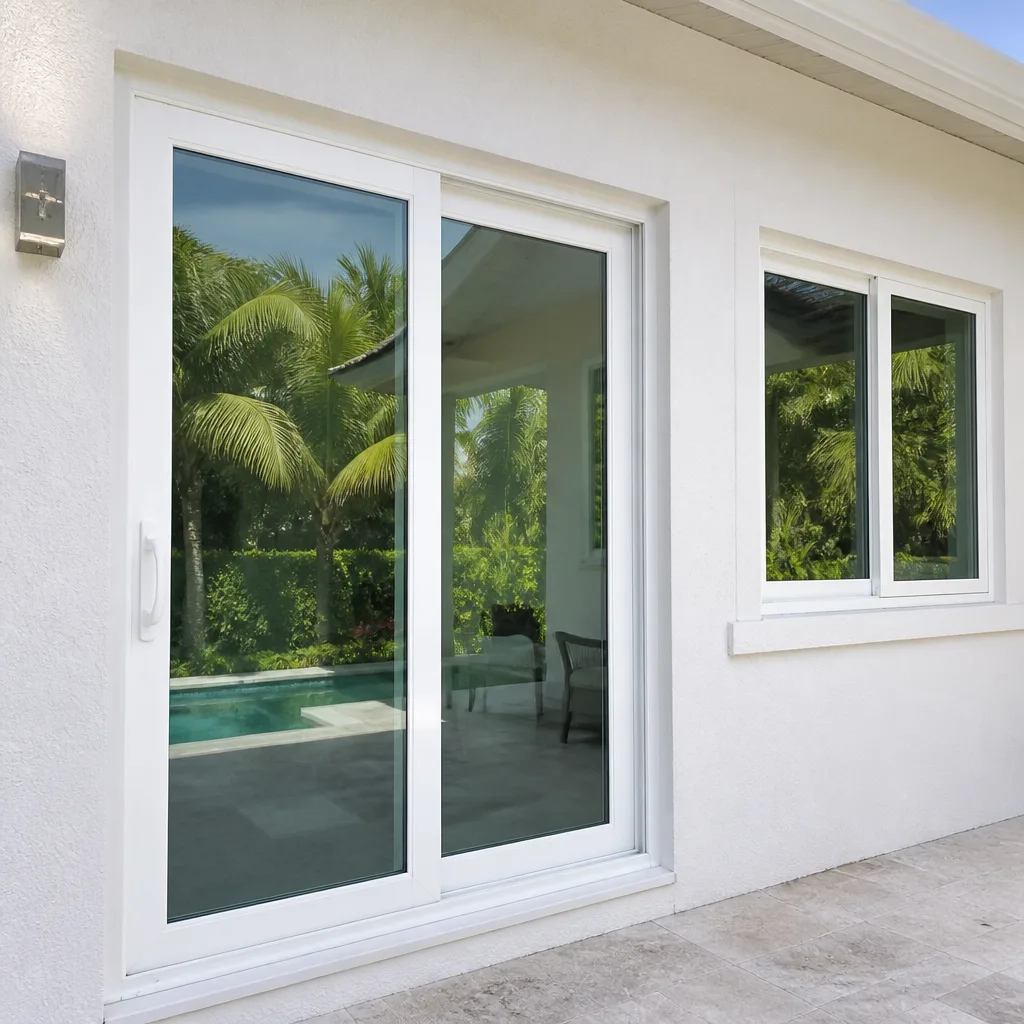 After
AfterAwning Windows in Miami, FL | Winslow Windows & Doors
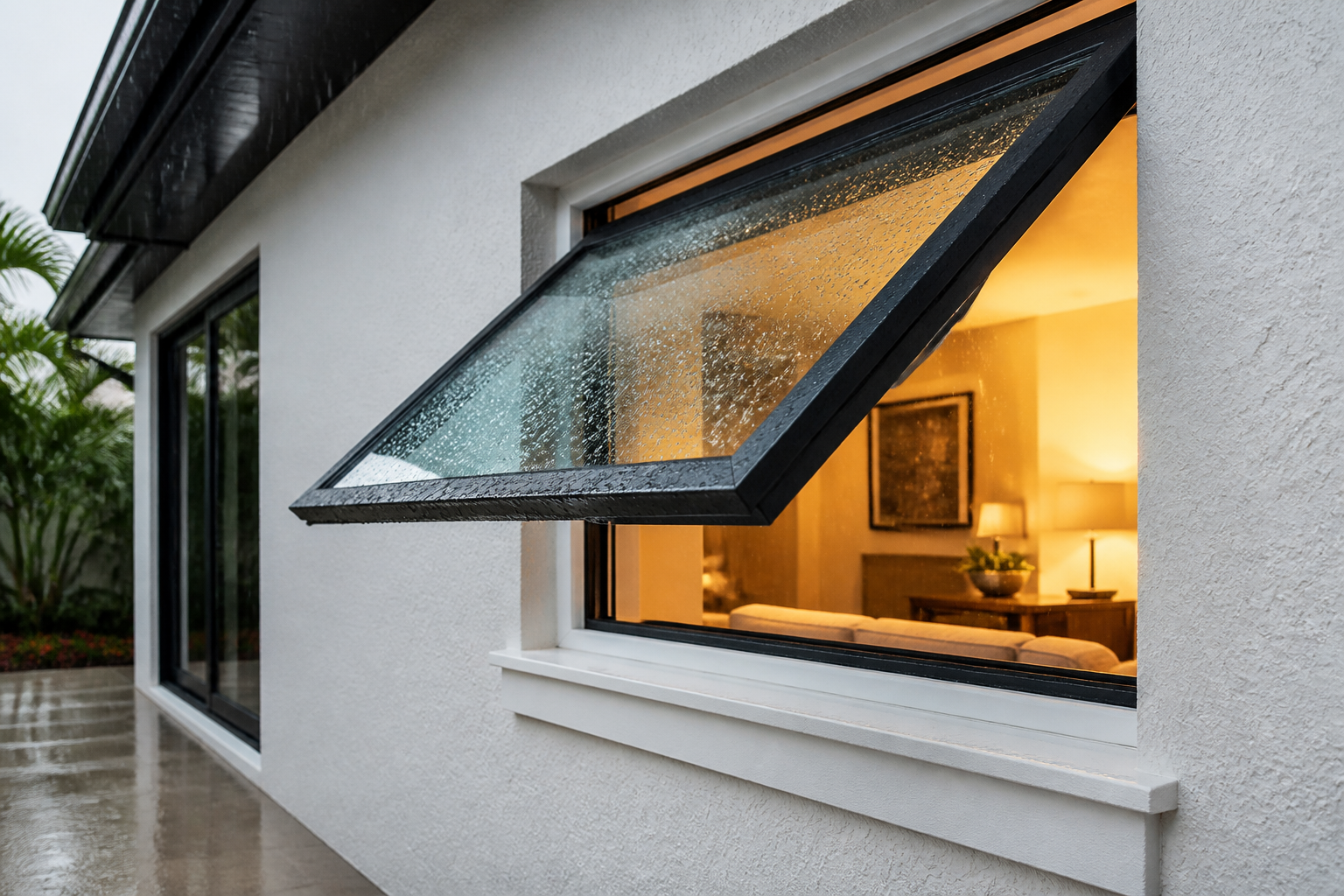
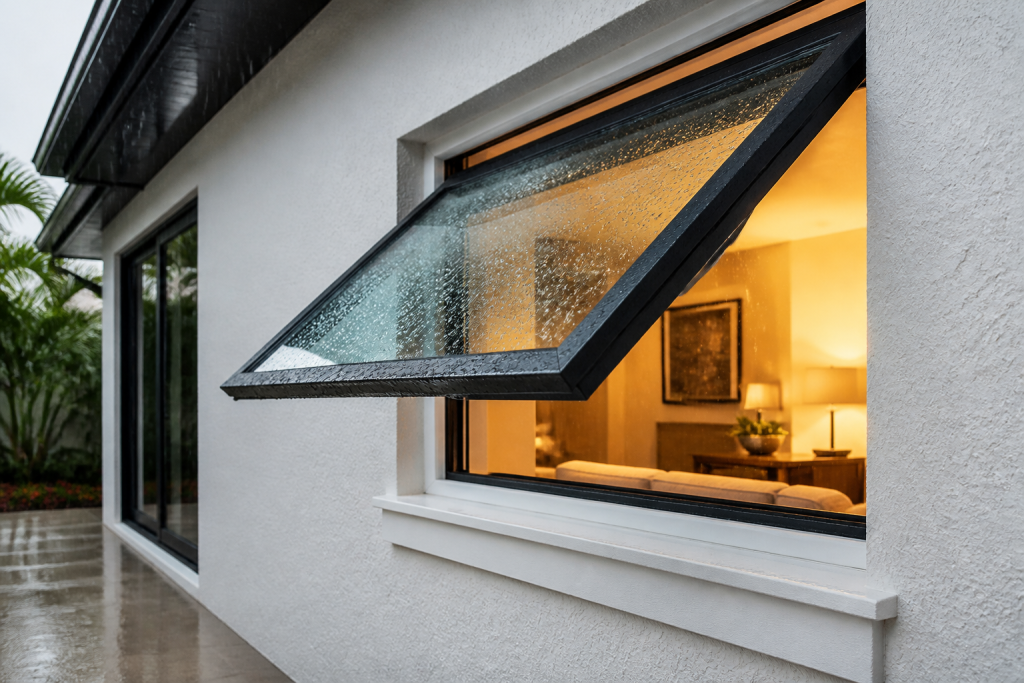
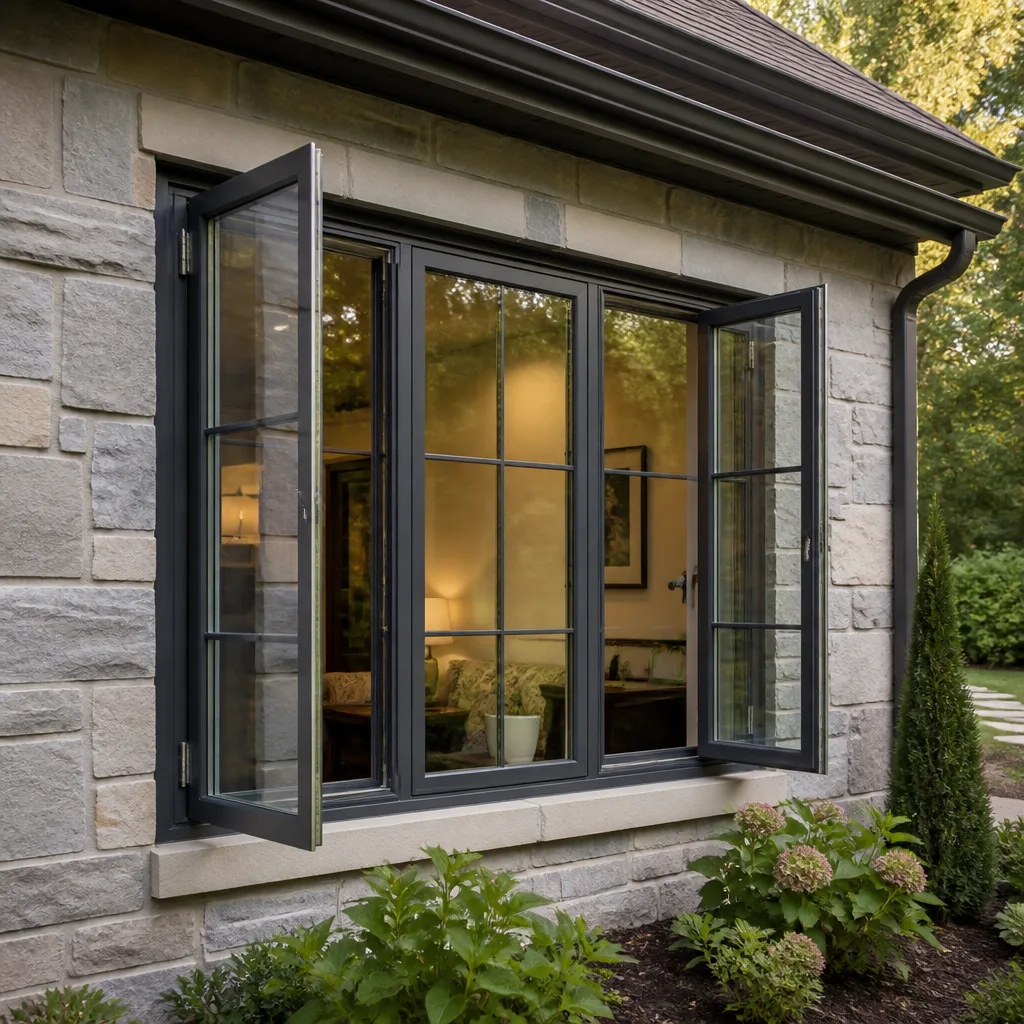
Awning windows hinge at the top and crank outward from the bottom, which means you can leave them open during a passing Miami shower without water pouring onto the sill. That simple geometry has made them one of the most requested window styles in Coral Gables, Coconut Grove, and the coastal neighborhoods where afternoon rain is a daily fact of life. Winslow Windows & Doors supplies and installs impact-rated awning windows across our PGT, CGI, CWS, ES Windows, ECO, and Mr-Glass lines, and every unit we quote in Miami is configured for the Florida Building Code’s High-Velocity Hurricane Zone requirements. Call (863) 862-5435 to discuss your project.
Product Overview - Awning Windows
Awning windows solve a problem that’s specific to Florida living: you want airflow, but you also want water and wind to stay out. A top-hinged, crank-out design gives you exactly that. Because the sash opens from the bottom and angles upward, rain hits the glass and runs off the sides instead of entering the home. You get ventilation while the window is cracked open, even when Miami’s weather turns sideways.
What puts this window in the hurricane-impact category is the laminated impact glass. A PVB (polyvinyl butyral) interlayer is bonded between two panes, so if something strikes the glass, the pane cracks but the lamination holds the shards together inside the frame. That matters a great deal in a storm: the window stays in place, the building envelope stays sealed, and wind-driven debris doesn’t turn into flying glass inside your living room. It’s the same impact-resistant technology used in our casement and picture window lines, but paired with the ventilation profile that makes awnings practical for hard-to-reach spots like over kitchen sinks or above shorter fixed windows.
We’ve installed awning windows in Miami long enough to know where they belong architecturally. Mid-century ranches in Kendall, Mediterranean-style homes in Shenandoah, and modern concrete builds in Edgewater all use awnings differently, but the underlying benefit is consistent: a compact, weathertight venting window that doesn’t require a sliding track. The hardware is simple, the operation is smooth, and when paired with either fixed or retractable screens, the window is easy to live with year-round.
Technical Specifications
The awning windows we supply in Miami are available in two frame platforms, each with its own strengths depending on your home’s construction and exposure. Here’s how the specifications break down.
- Frame materials: Aluminum and vinyl. Aluminum offers a naturally stronger section for larger openings and is preferred on many high-rise and waterfront projects; vinyl provides excellent thermal separation and is a smart choice for single-family homes where you want less heat transfer through the frame.
- Glass options: Laminated impact glass with a PVB interlayer as the impact base, upgradeable to Low-E insulated glass for energy performance, with tinted or clear glass available depending on your light and privacy preferences.
- Finish colors: White, almond, bronze, black, and tan, depending on the frame line and hardware configuration you select.
- Screen options: Fixed screens for permanent insect protection, or retractable screens if you prefer an unobstructed view when the window is not in use.
- Operation: Crank-out hardware with multi-point locking, designed to compress the sash against the weatherstripping evenly across the entire perimeter when closed.
Size capacity varies by frame material and design pressure requirement, which is why we confirm dimensions and structural calculations for every window on your quote. Call (863) 862-5435 and we’ll walk through the configurations that fit your openings and your wind zone.
Hurricane & Compliance Performance
Every awning window we sell and install in Miami is configured to Florida’s High-Velocity Hurricane Zone code. Here’s what that means in practical terms, feature by feature.
Laminated Impact Glass
A PVB interlayer between two panes of glass holds the pane in the frame under impact. When debris hits, the glass fractures but does not separate, keeping the window sealed and the interior protected. This is the core mechanism behind impact-rated windows in Miami-Dade County, and it’s the first thing we verify on every specification sheet.
Miami-Dade NOA / Florida Product Approval
Notice of Acceptance and Florida Product Approval numbers are issued per configuration, not as a blanket certification for the product family. That means the specific glass, frame, size, and hardware combination on your quote carries its own approval documents. We provide the applicable NOA or FL approval numbers with your submittal so your permit package is complete from day one.
FBC / HVHZ Compliance
These windows are engineered to Florida Building Code High-Velocity Hurricane Zone requirements. Miami-Dade sits entirely within the HVHZ, so every awning window we install in the city must meet this standard. There is no “standard” version and “hurricane” version; for us in Miami, the HVHZ-rated configuration is the only configuration we offer.
TAS 201 / 202 / 203 Testing Context
HVHZ-rated products are tested under a specific protocol family: TAS 201 for large-missile impact, TAS 202 for cyclic wind-pressure loading, and TAS 203 for forced-entry resistance. These three standards together simulate what a window experiences during a real storm: impact, repeated pressure cycles, and attempted intrusion. Our awning window configurations have been evaluated under this protocol.
Design Pressure Matched to Your Wind Zone
Design pressures on our awning windows are matched to your specific wind zone, up to +/-100 PSF and never higher. We calculate the required DP for your location, building height, and opening size, then select the frame and glass combination that meets it. You don’t pay for over-engineering you don’t need, and you’re never under-specified.
Energy Performance (Low-E / Insulated Options)
Miami sun is relentless. Low-E coatings and insulated glass units can be added to the impact base to reduce solar heat gain and improve year-round comfort. For west-facing openings in neighborhoods like Brickell or Doral, we often recommend Low-E insulated glass as a worthwhile upgrade, particularly when the window will receive direct afternoon sun.
Color & Glass Options
Miami homes run the gamut from white stucco Mediterranean to contemporary black-frame modern, and the finish you choose on an awning window has real architectural impact. White and almond remain the most common for traditional Florida homes and condo replacements where the window needs to blend with existing millwork. Bronze works well on coastal builds where you want a darker contrast without full black. Black frames have become a signature look in newer Miami construction, particularly on white or gray exteriors, and tan suits earth-toned stucco homes in neighborhoods like Palmetto Bay and Pinecrest.
Glass selection depends on what the window faces. Clear laminated impact glass is the base option and maintains the truest view. Tinted glass cuts glare, which matters on east or west elevations. Low-E insulated glass is the right call when heat gain is a concern, adding an airspace and reflective coating that keeps the interior side of the window noticeably cooler on summer afternoons. Every glass configuration we quote includes the laminated impact layer as the starting point; the upgrades are about light, heat, and view, never about compromising the protection level.
Installation by Winslow Windows & Doors in Miami
An impact window is a system, and the NOA-rated system only performs as tested when the installation follows the same discipline. Our Miami installation crews work to AAMA 2400 and 2410 practices, which govern the proper installation of windows in both new construction and replacement applications. That starts with a pre-install inspection of the opening: we’re looking at the condition of the buck, the existing flashing, the depth of the rough opening, and any evidence of water intrusion from the previous window.
From there, the process is methodical. The window is set level, plumb, and square before any fastening begins. The perimeter is sealed with AAMA 812 low-expansion foam, which provides a continuous air and moisture barrier without expanding enough to bow the frame. Exterior flashing and perimeter sealant are applied to direct water away from the wall cavity. Every installation finishes with a water test on the sill and frame junction, and we inspect the interior trim for any gapping. The site is cleaned and the old window is removed for disposal.
Permitting is a fact of life in Miami-Dade. If your project requires a permit, we’re familiar with what the local jurisdictions ask for, from the city of Miami to Coral Gables to unincorporated county. The NOA or Florida Product Approval documentation for your specific configuration is part of what we provide for submittal. Improperly installed impact windows are a real liability: a window can carry every approval in the book and still fail if it’s racked into an out-of-square opening or sealed with the wrong product. Coastal exposure, driving rain, and salt air in Miami make the margin for error even smaller. Installation is not the place to economize.
Frequently Asked Questions - Awning Windows
What wind zone / design pressure is the Awning Windows rated for?
Design pressure is calculated for your specific location, building height, and opening size, and we match the frame and glass configuration to that number, up to +/-100 PSF and never higher. Miami’s required DP varies by address. Call (863) 862-5435 with your property details and we’ll confirm the right specification for your openings.
What is the lead time for awning windows in Miami?
Lead time depends on the manufacturer line you select (PGT, CGI, CWS, ES Windows, ECO, or Mr-Glass) and the glass, finish, and size configuration. Custom sizes and Low-E insulated upgrades typically add production time. We’ll give you a written lead time on your quote, and we coordinate installation scheduling around your project calendar. Call (863) 862-5435 for current production timelines.
Does an awning window require a Miami-Dade NOA or Florida Product Approval submittal for my permit?
Yes, if your project requires a permit, the submitted window configurations must carry either a Miami-Dade NOA or a Florida Product Approval number that matches the exact glass, frame, and size being installed. We provide the applicable approval documentation with your order so it can be included in the permit package. Call (863) 862-5435 and we’ll assemble the submittal documents for your specific configuration.
Can I customize the size or configuration of my awning windows?
Awning windows are built to the opening, so sizing is driven by your existing rough opening or your architect’s drawings. Within each manufacturer’s engineering limits, you can specify finish color, glass type, screen option, and hardware. Some configurations are constrained by design pressure calculations, which is why we confirm every dimension against the structural requirements before ordering. Call (863) 862-5435 to review your dimensions.
How do I maintain an awning window frame in Miami’s salt air?
Rinse aluminum frames with fresh water periodically, especially on coastal exposures, and wipe the weatherstripping clean so the sash seats evenly against the seal. Avoid pressure washing directly into the frame joints. Vinyl frames need less frequent attention but benefit from the same rinse routine. If you notice the crank mechanism getting stiff, contact us before forcing it. Call (863) 862-5435 if you need service on any window we’ve installed.
Get a Quote - Awning Windows in Miami
If you’re planning a replacement or a new build in Miami, we’ll walk you through the frame, glass, and finish options that fit your wind zone, your openings, and your budget. Start with a free on-site measurement and a written line-item quote. Call (863) 862-5435 to schedule yours.
Written by the team at Winslow Windows & Doors, serving Miami and Miami-Dade County with impact window and door installations.
Six Reasons Homeowners Choose Winslow Windows & Doors
Impact systems engineered to design pressures up to +/-100, matched to your wind zone - your openings hold when the storm arrives.
Low-E insulated impact glass from our manufacturer lines commonly cuts monthly cooling bills 20-30%.
Laminated impact glass shuts out up to 40% of outside noise - traffic, neighbors, weather.
Monitoring services run $30-90 a month. Laminated impact glass resists forced entry around the clock, with no subscription.
Florida homeowners average around 25% savings on the windstorm portion of their policy after protecting every opening - some homes qualify for more.
A full impact package upgrades curb appeal, buyer confidence and appraised value in one project.
Other Winslow Windows & Doors Services
What Neighbors Say About Winslow Windows & Doors
Detailed Images