
Last updated August 27, 2026
Free in-home measure and quote - PGT, CGI and CWS impact lines compared on your actual openings, style by style
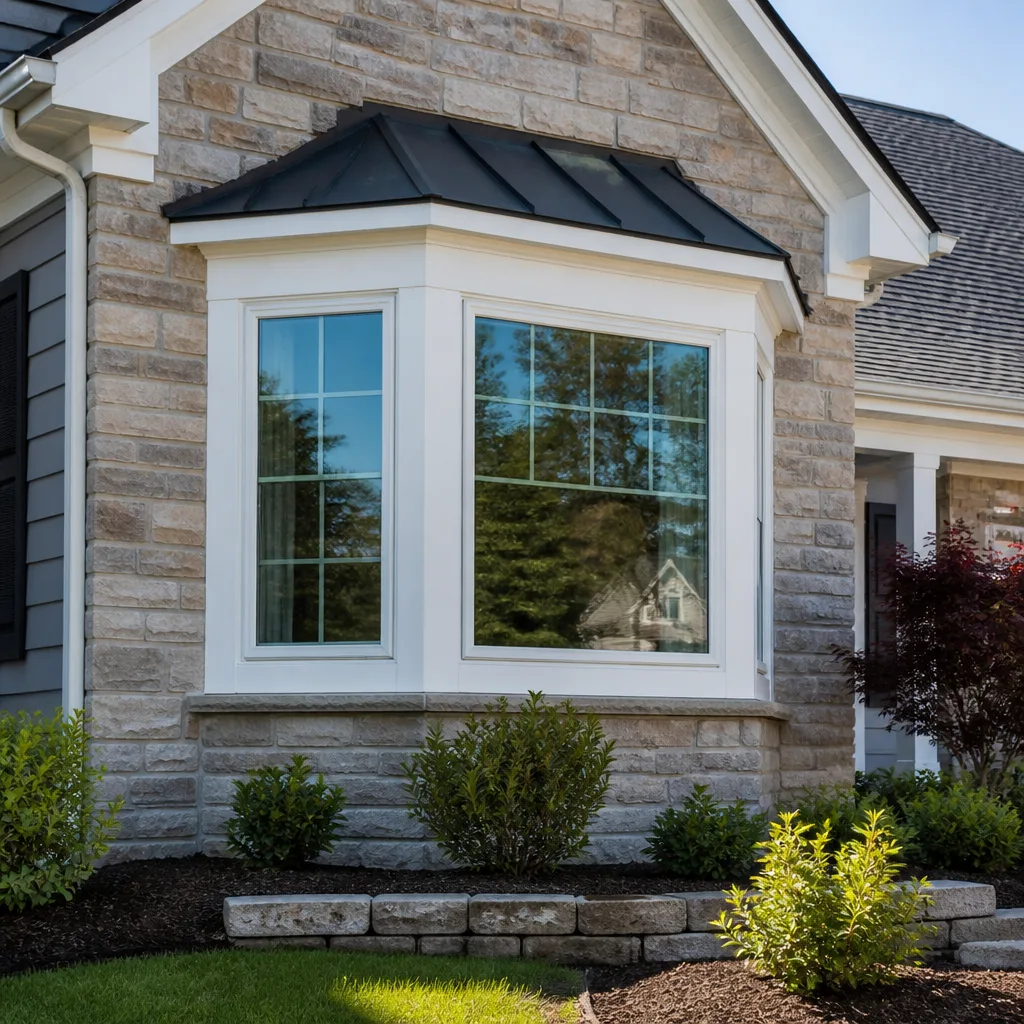
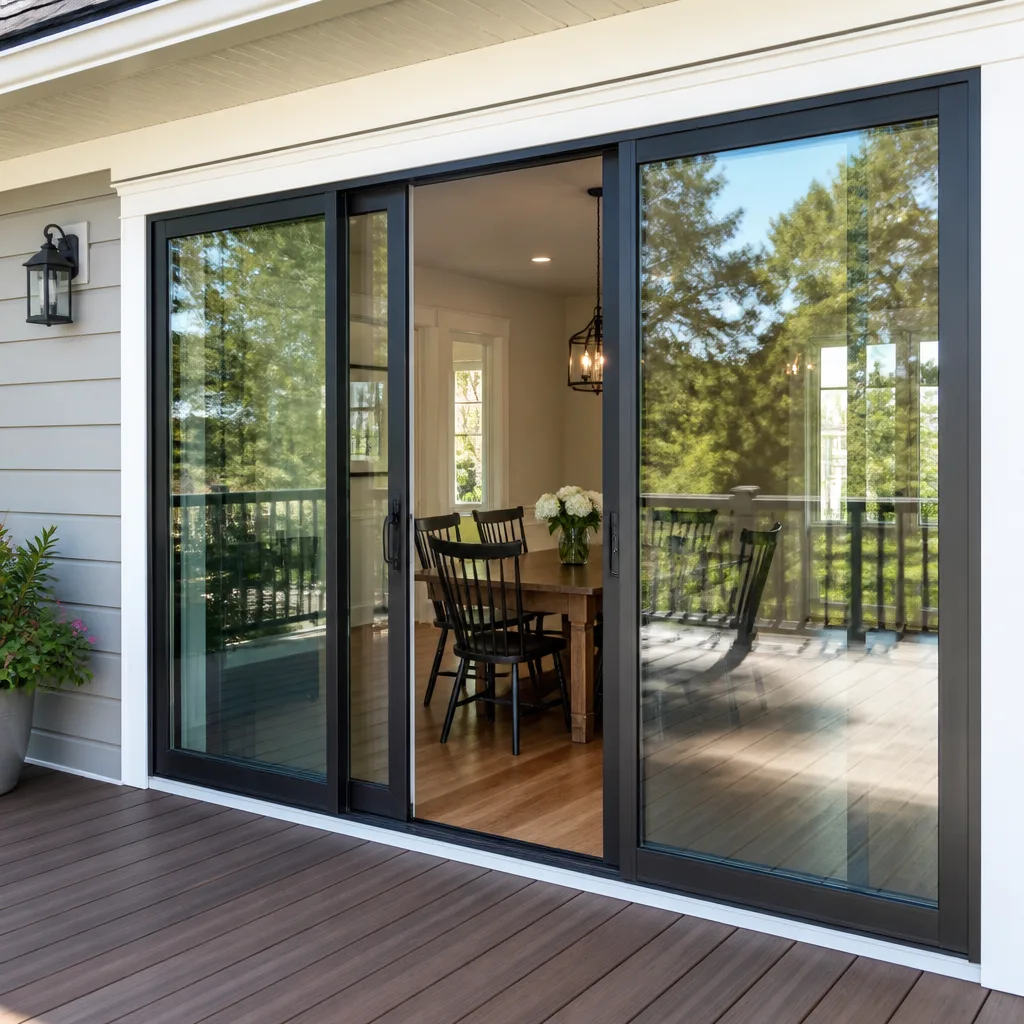
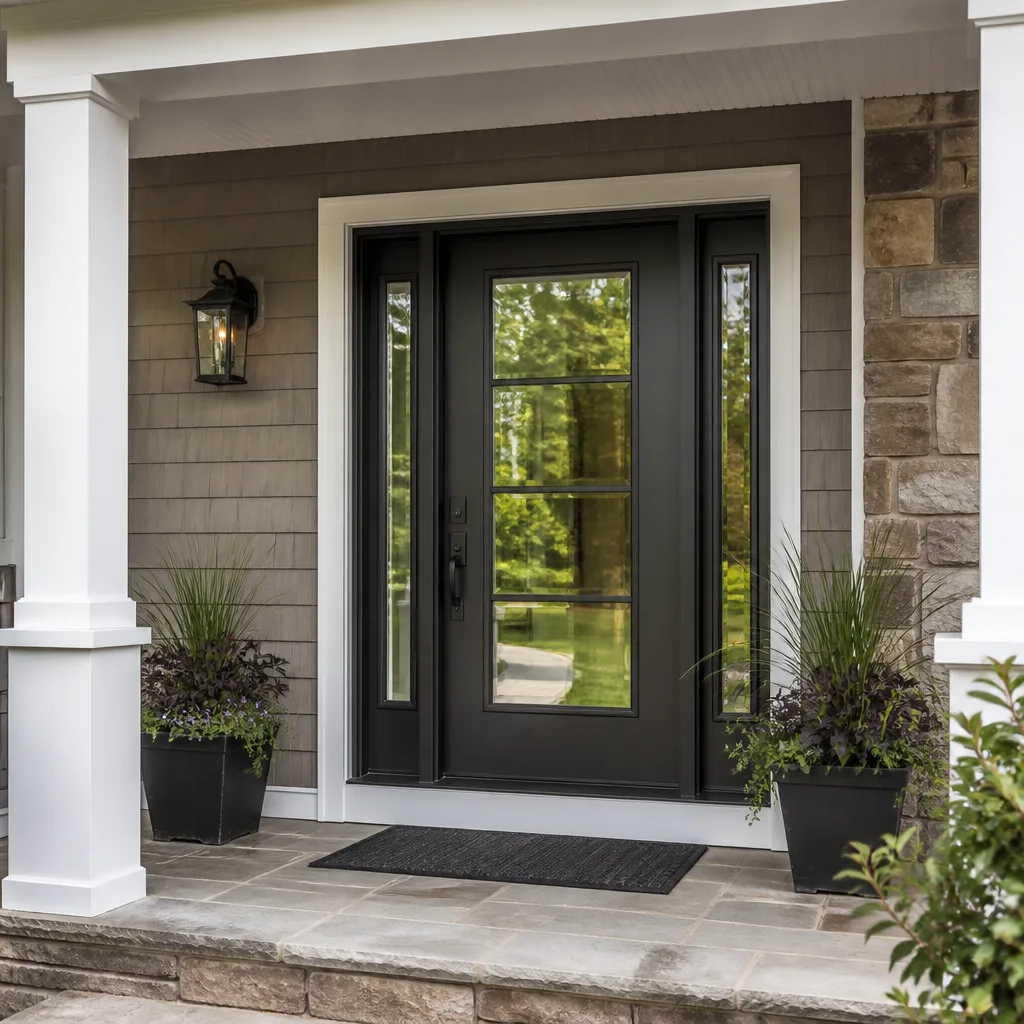
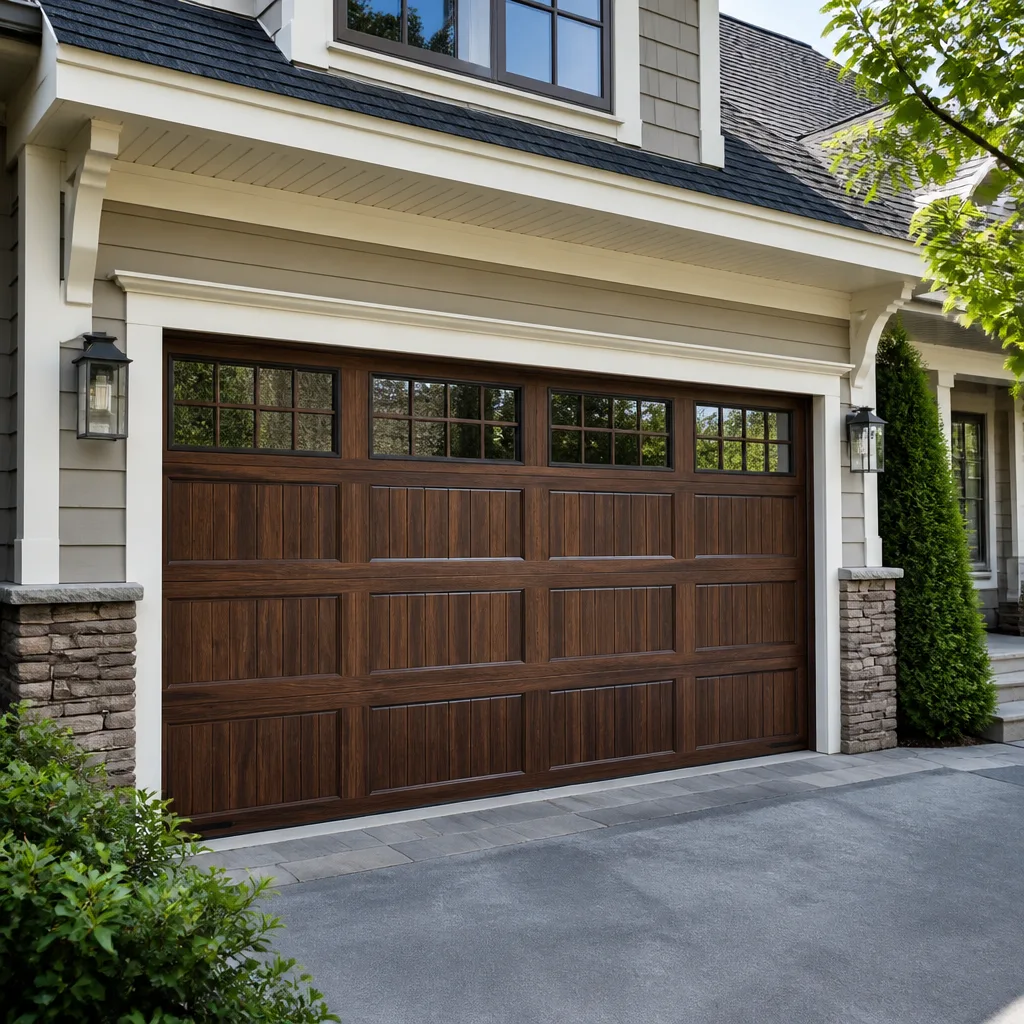
 Before
 After
After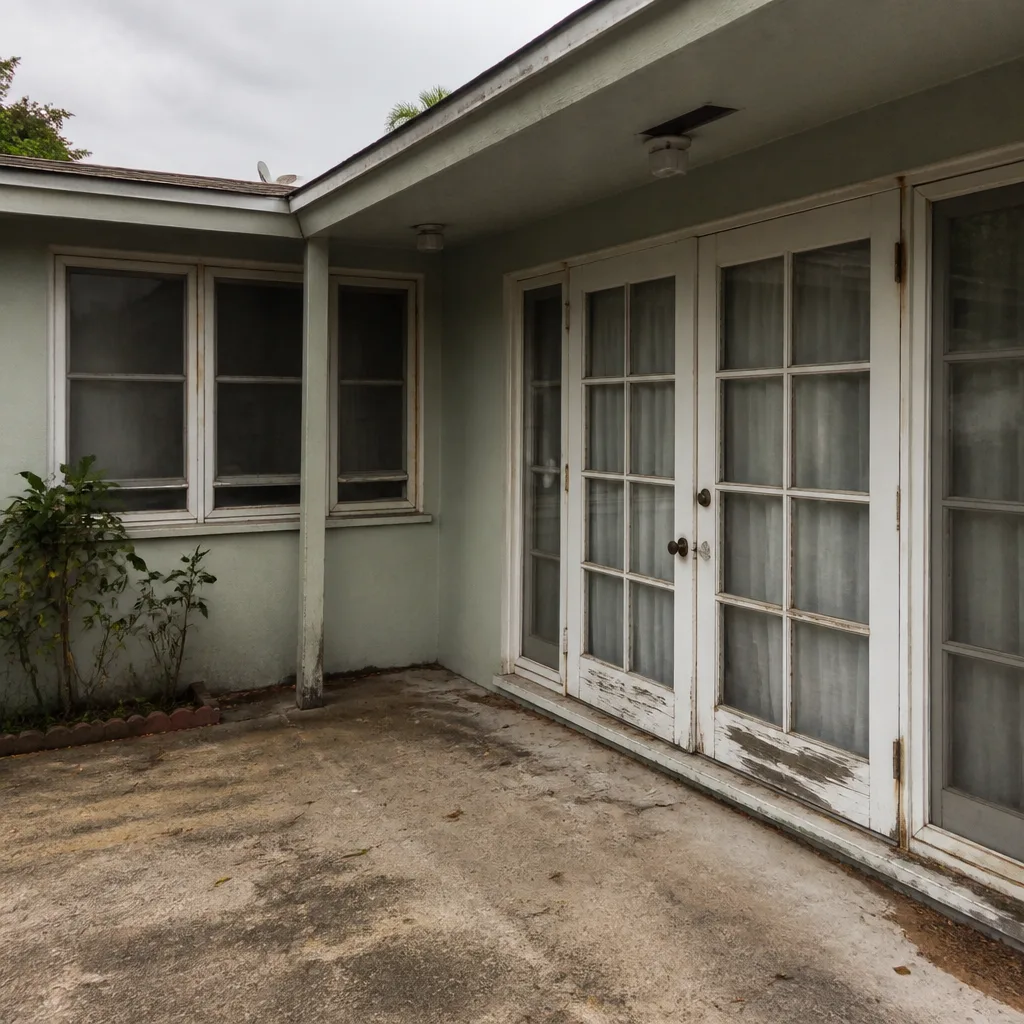 Before
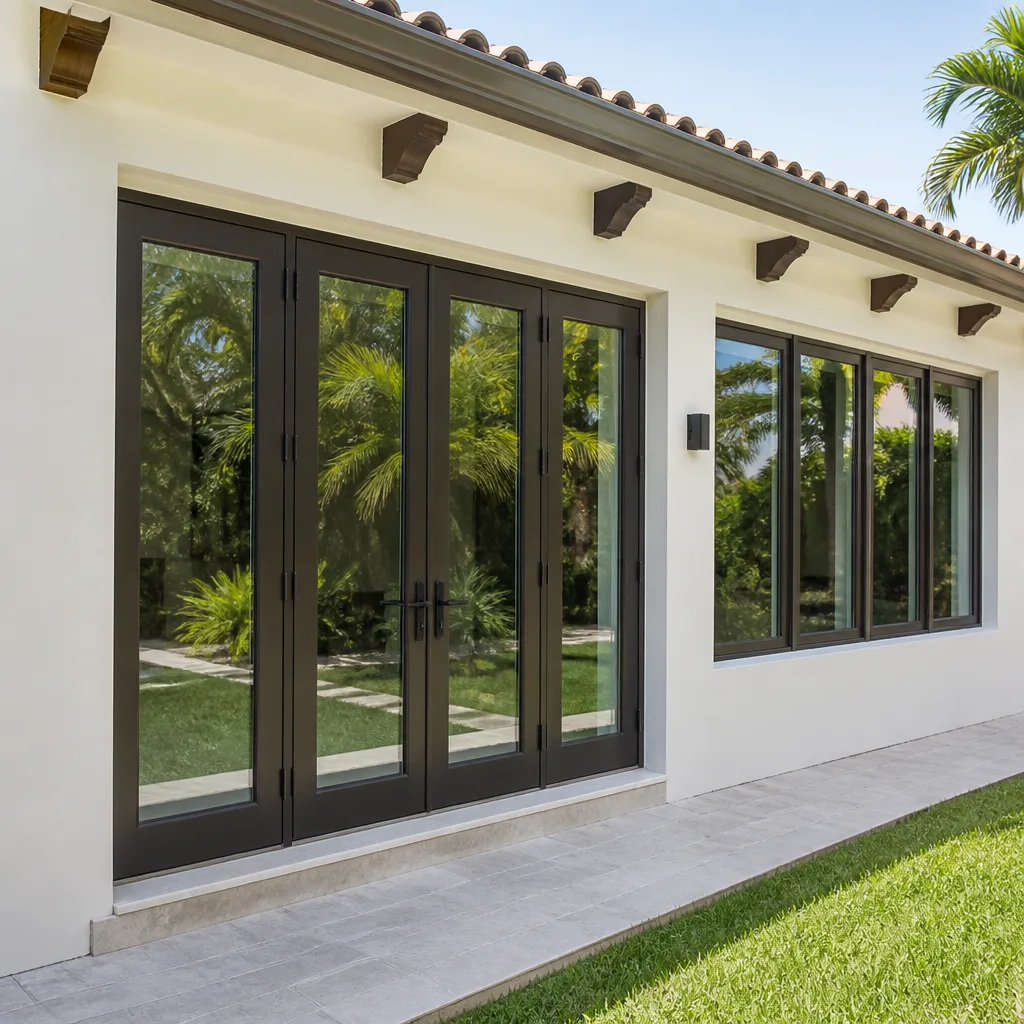 After
After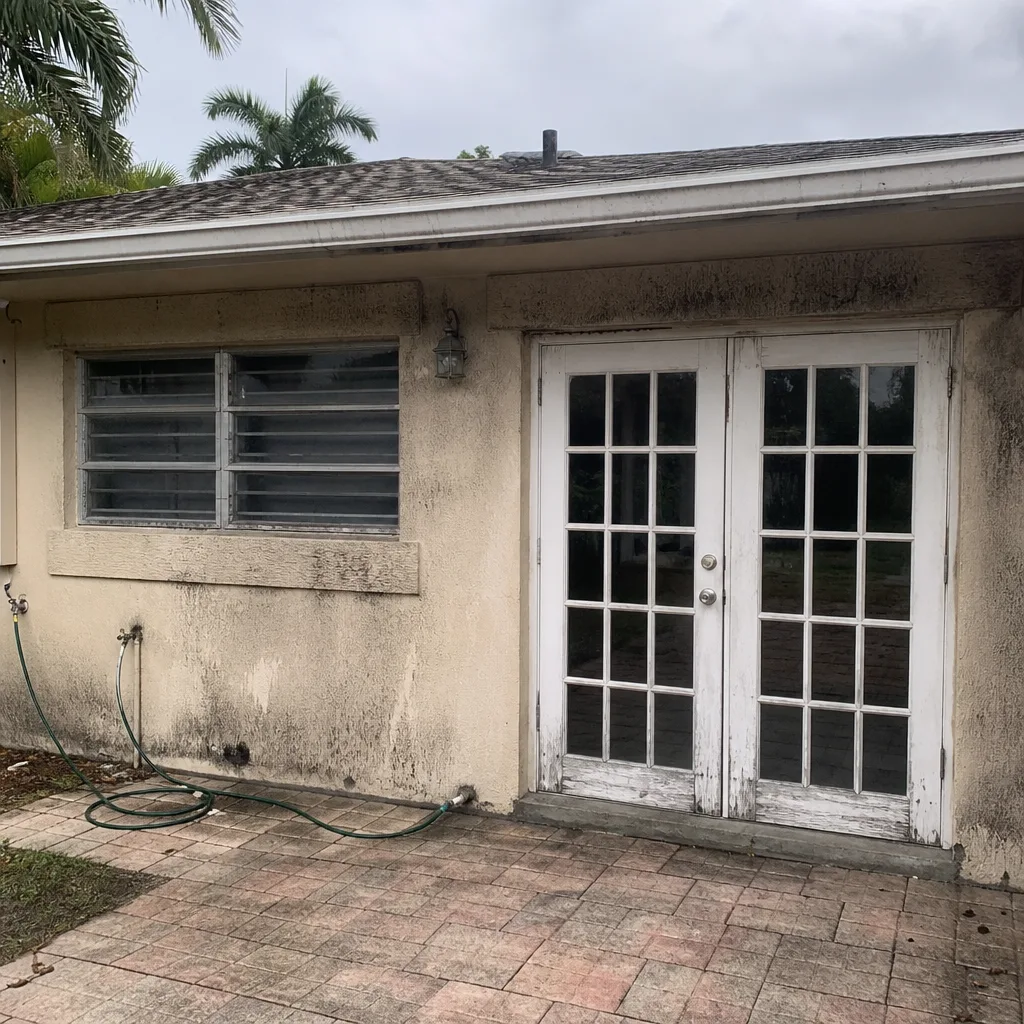 Before
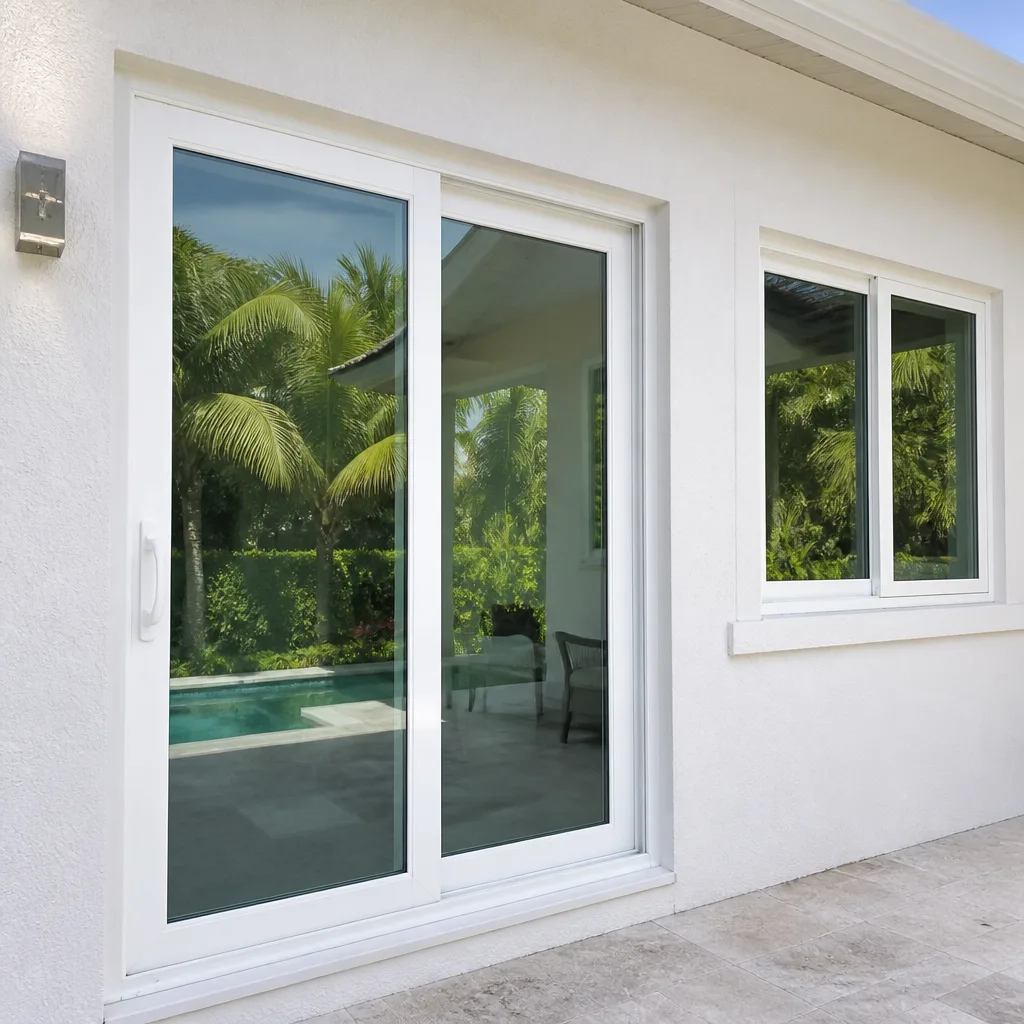 After
AfterSeasonal Windows & Doors Care for Miami: Year-Round Homeowner’s Guide
Miami’s “dry season” is one of the great misnomers in home maintenance. December through April delivers the lowest humidity of the year, sure, but it also brings the most relentless UV index, and ultraviolet radiation degrades vinyl window frames, door sealants, and exterior coatings faster during these months than at any other point in the calendar. Most Miami homeowners assume hurricane season is when their windows and doors take the biggest beating. The data says otherwise. This guide walks through a two-season maintenance framework built specifically for Miami’s climate, covering what to inspect, when to act, and where homeowners most often get burned. For more guides & resources on protecting your home, visit our blog.
Quick Answer
Seasonal window and door care in Miami works best on a two-season calendar: a dry-season maintenance window (December through April) for UV-related inspections, re-sealing, and hardware lubrication, and a wet-season prep window (May through November) for drainage checks, weatherstripping integrity, and pre-hurricane hardware audits. Homeowners who follow this framework catch most failures before they become water-damage claims, and the total annual time investment is under four hours.
Table of Contents
- Why Miami Needs a Two-Season Framework, Not Four
- The UV Damage Progression: What South Florida Sun Does to Frames
- The Dry Season Maintenance Checklist (December-April)
- Wet Season Prep: The May Audit Before the First Named Storm
- Pre-Hurricane Door Hardware Audit: The Corrosion Points Nobody Checks
- Post-Storm Inspection Protocol for Impact Windows and Doors
- How Your Sprinkler System Is Quietly Destroying Your Sills and Frames
- Common Mistakes to Avoid
- When to Call a Professional
- Frequently Asked Questions
- The Bottom Line
Why Miami Needs a Two-Season Framework, Not Four
Most window and door care guides recycle a generic four-season template built for places with snow, freeze-thaw cycles, and leaf-clogged gutters. Miami doesn’t have those problems, and applying that template here means homeowners miss the stressors that actually matter: salt air, UV radiation, coastal humidity, and storm-driven rain that falls sideways. We’ve been installing and repairing impact windows in Miami since 2011, and the pattern we see in repair calls tells a clear story: failures cluster around two calendar windows, not four.
The dry season, roughly December through April, is when UV damage accelerates. South Florida sits at a latitude where the winter sun angle is lower, which means sunlight hits vertical surfaces like window frames and door panels more directly than it does in summer. Add the region’s famously clear winter skies and you get months of uninterrupted ultraviolet exposure. Vinyl frames chalk and become brittle. Caulk and glazing beads dry out and crack. Weatherstripping loses its elasticity. None of these are dramatic failures. All of them compound.
The wet season, May through November, is when those compromised seals get tested. A hairline crack in a bead of caulk that formed in March becomes a water-intrusion point by the first afternoon thunderstorm of June. A weatherstrip that lost its rebound in February lets humid air infiltrate all summer, driving up cooling costs and inviting mildew into door frames. The two-season framework isn’t a preference. It’s a recognition of how Miami’s climate actually works.
Here’s the six-month rhythm we recommend:
- Dry season (December-April): Inspect for UV degradation, re-seal exterior joints, lubricate hardware, replace worn weatherstripping, and schedule any window replacement work before the summer heat makes installation more taxing on materials.
- Wet season (May-November): Conduct a drainage and sealing audit, inspect flashing around all openings, test impact-rated hardware for corrosion, and address any water-intrusion signs immediately rather than waiting until a named storm is in the Atlantic.
The UV Damage Progression: What South Florida Sun Does to Frames
Ultraviolet radiation affects window and door materials in a predictable sequence, and Miami homeowners who understand that sequence can catch problems at stage one or two instead of waiting for stage four. In our experience across Miami, the progression looks like this.
Stage one: surface fading and chalk. Vinyl frames begin to oxidize under UV exposure, leaving a chalky residue when you run a finger across the surface. This is cosmetic at first, but it indicates the UV stabilizers in the vinyl compound are being depleted. Aluminum frames with powder-coated finishes will show early fading on the sun-facing elevation, typically the west and south sides of a Miami home.
Stage two: sealant shrinkage and cracking. The caulk and sealant beads around the window or door perimeter are not UV-stable forever. After three to five years of Miami sun exposure, most exterior caulks begin to shrink, pull away from the frame, or develop hairline cracks. This is the most common entry point for the wind-driven rain that accompanies Miami summer storms.
Stage three: gasket and weatherstrip failure. The rubber gaskets that seal the glass within the frame, along with the weatherstripping on door edges, lose their compressibility as UV exposure breaks down the polymer structure. A door that used to close with a solid thump now closes with a rattle, or you notice daylight around the edges. A window that used to lock airtight now lets a breeze through when shut.
Stage four: structural frame compromise. At this point, the frame material itself has been compromised. Vinyl becomes brittle and prone to cracking at fastener points. Aluminum frames develop corrosion where the powder coating has worn through, especially in coastal Miami neighborhoods where salt air accelerates the electrochemical reaction. Stage four almost always means replacement rather than repair.
The question homeowners ask is: when do I re-seal versus replace? The answer depends on the frame material and where the damage sits. Vinyl frames with surface chalk but intact structure can be re-sealed and will continue to perform. Cracks through the frame material at screw holes or corners mean the structural integrity is gone, and replacement is the honest answer. For aluminum frames showing white powdery oxidation at joints or screws, the corrosion is advancing into the material, and re-sealing will only buy a year or two. We install PGT and CGI impact-rated products throughout Miami, and one consistent benefit our customers appreciate is that modern frame formulations from these manufacturers are engineered specifically for high-UV coastal climates.
The Dry Season Maintenance Checklist (December-April)
The dry season is the right time for the most thorough maintenance of the year. The weather is cooperative, sealants cure properly, and you’re addressing UV damage before the wet season tests every seal on the house. Here’s the step-by-step checklist.
- Wash every window and door exterior surface. Use a mild soap and water, no pressure washing. The goal is to remove salt film and surface contaminants that hold moisture against the frame. While washing, run a hand along every frame surface and note any chalkiness, cracks, or corrosion.
- Inspect every exterior sealant joint. Look at the caulk line where the frame meets the stucco, brick, or siding. On door thresholds, check the seal between the sill and the floor. Any gap, crack, or shrinkage is a water-intrusion point waiting for the first summer storm.
- Test all window and door weatherstripping. Close the window or door on a dollar bill and try to pull the bill out. If it slides out with no resistance, the weatherstrip is no longer compressing and should be replaced. Do this at three points on every opening: top, middle, and bottom.
- Lubricate all moving hardware. Hinges, tracks, rollers, and lock mechanisms all benefit from a dry silicone lubricant. Avoid petroleum-based lubricants, which attract dust and gum up the mechanism over time. Miami’s salt air makes metal hardware more prone to seizing, so this step matters year-round but is easiest to do in dry weather.
- Re-seal any compromised joints. Cut out old, failed caulk cleanly and apply a high-quality exterior sealant rated for UV exposure and movement. Do not caulk over old caulk. The seal will fail within months, and the underlying joint will continue to deteriorate unnoticed.
- Schedule any window or door replacement work now. Installation is cleaner and faster in dry conditions, and sealants achieve their full cure before summer humidity arrives. If you’ve been putting off a window installation in Miami, the dry season is when the job goes most smoothly.
The entire checklist takes an afternoon for a typical single-family home. The payoff is a house whose openings are sealed, lubricated, and UV-protected before the wet season arrives.
Wet Season Prep: The May Audit Before the First Named Storm
By early May, every homeowner in Miami should have completed a wet-season readiness audit. This is a different exercise from the dry-season maintenance checklist. The dry season is about repair and restoration. The wet-season audit is about verification: proving, not assuming, that every opening on the house will shed water the way it’s supposed to. For details on code requirements, see Windows & Doors Permits, Codes & Inspections in FL: What You Need to Know.
Start with drainage. Every window and door has a designed drainage path: water that gets past the first line of defense should be channeled back out through weep holes in the frame, a sloped sill, or a flashing detail. Over the course of a year, those weep holes fill with dust, insect debris, and salt residue. In Miami, we regularly find weep holes completely blocked in homes that haven’t had their windows inspected in years. The result is water pooling inside the frame, soaking the sill material, and eventually finding its way into the wall cavity. Clearing weep holes with a soft brush or compressed air is a five-minute task per window.
Next, inspect all flashing details. The metal or membrane flashing above every window and door opening is what keeps the water that runs down the wall surface from getting behind the frame. In Miami’s older homes, caulk-on flashing was often installed in place of proper metal flashing, and after a decade of UV exposure, that caulk is gone. Check the top edge of every opening for gaps, lifted material, or missing sealant.
Finally, verify that your impact-rated or non-impact windows and doors actually close and lock the way they’re engineered to. A window that doesn’t fully seat into its frame will not perform to its design rating. Test every opening. If a sash doesn’t close square, or a door needs a hip-check to latch, address it now. The alternative is discovering the problem at 2 a.m. with wind-driven rain pushing against that opening.
Pre-Hurricane Door Hardware Audit: The Corrosion Points Nobody Checks
Miami’s coastal humidity and salt air attack door hardware in specific, predictable places. Most homeowners check the visible parts: the handle, the deadbolt, the hinges. Those are rarely where the catastrophic failures occur. The hardware that fails first on a Miami exterior door is the multipoint locking system hardware hidden inside the door edge and frame.
A multipoint locking system, common on modern exterior and patio doors from manufacturers like Therma-Tru, engages locking bolts at three points along the door edge: top, middle, and bottom. These bolts are connected by a series of rods and gears inside the door panel, and that mechanism is exactly where coastal humidity does its worst work. The salt-infused air corrodes the internal components before the exterior hardware shows any sign of distress. The door still locks. The handle still turns. But the internal rods are weakening, and during a hurricane, a door that relies on a single compromised locking point can fail at the other two, allowing wind pressure to bow the panel and compromise the entire opening.
What to check:
- Full engagement. With the door closed, lift the handle and confirm you can see or feel all three locking points extend. On many doors, a visual check at the top and bottom of the panel edge is possible.
- Smoothness of operation. The handle should lift and drop without grinding, sticking, or uneven resistance. Internal corrosion announces itself as rougher operation.
- Frame strike alignment. Each locking point should seat fully into its strike plate without the door needing to be pushed, pulled, or lifted to engage.
- Visible corrosion at screw heads. Any rust staining around hardware screws on the door edge or frame indicates salt exposure, and what you see on the surface is worse inside the panel.
If any component of the multipoint system fails, the entire mechanism typically needs replacement. This is not a job for a weekend DIY fix. The door panel must often be removed to access the internal hardware, and misalignment during reinstallation creates a new set of problems. Ed Winslow’s name is on every job we do, and that means we’ll tell you honestly whether a hardware repair makes sense or a replacement door is the more responsible investment.
Post-Storm Inspection Protocol for Impact Windows and Doors
Impact-rated windows and doors are engineered to survive a specific set of forces: wind pressure, flying debris, and cyclic loading. What most Miami homeowners don’t realize is that an impact event can compromise the window’s future performance even when the glass appears completely undamaged. The laminated interlayer in impact glass, typically a polyvinyl butyral or ionoplast material, is designed to absorb and distribute the energy of a debris strike. The outer glass layer may not even crack, but the interlayer can sustain internal damage that reduces its ability to absorb the next impact.
After any storm that involved flying debris or winds over tropical-storm force, walk the perimeter of the house and inspect every impact-rated opening. Look for:
- Visible glass fractures. Even hairline cracks in the outer glass layer indicate the window absorbed an impact, and the performance rating should be considered compromised until a professional evaluation.
- Distortion or delamination. Look across the glass surface at a sharp angle. Any waviness, clouding between the glass layers, or visible separation of the laminate means the interlayer has been damaged.
- Frame movement or separation. Check the corners of every window and door frame for gaps, cracks in the surrounding finish, or any separation from the wall. Impact forces can flex the entire opening, not just the glass.
- Hardware function. Every operable window and door should open, close, and lock exactly as it did before the storm. A change in operation indicates structural movement in the frame or panel.
If you document any of these conditions after a storm, have the opening evaluated before the next named system forms in the Atlantic. An impact window that sustained a debris strike but shows no visible damage may still have compromised interlayer integrity. Given that a replacement window is far less expensive than the water and structural damage a failed opening can allow, the evaluation is the conservative call. Our team handles post-storm inspections across Miami for homeowners who want a documented condition report for insurance purposes as well as their own planning.
How Your Sprinkler System Is Quietly Destroying Your Sills and Frames
This section covers an issue that almost never appears in generic window maintenance guides, but it’s one of the most common causes of sill rot and frame corrosion we encounter in Miami. The culprit is the irrigation system, and the specific problem is spray head placement.
Miami landscaping relies heavily on irrigation, and most systems are installed with spray heads placed to cover turf and planting beds. What those spray heads often also cover is the bottom edge of the house: the window sills, the door thresholds, and the lower portions of exterior door frames. In neighborhoods like Pinecrest, Coral Gables, and Palmetto Bay, where lush landscaping meets older homes, this condition is widespread. A sprinkler head that wets the bottom six inches of a wood door frame for twenty minutes a day, three days a week, is delivering more water to that frame than any Miami rainstorm. Wood sills rot. Aluminum frames corrode where the wet-dry cycle keeps the surface active. Vinyl frames develop mildew in the sealant joints.
The fix is simple, and most homeowners never make it: adjust the spray pattern or relocate the head so that no irrigation water touches any part of the building. Walk the perimeter while each zone is running and look for any overspray onto the structure. If water pools on a patio slab and wicks into a door threshold, regrade the slab or install a drain. If a rotor head is spraying directly onto a window, adjust the arc. The adjustment takes minutes and eliminates a water-intrusion vector that no caulk or sealant will overcome indefinitely.
Also check that soil and mulch lines sit at least four inches below the bottom of any wood sill or frame. Miami homes often see years of mulch accumulation raise the grade until the ground touches the framing, creating a permanent moisture source. Pull the grade back and the rot vector disappears.
Common Mistakes to Avoid
- Waiting for a named storm to act. By the time a storm is in the Atlantic, every window and door company in Miami is booked, and the work you need may not be possible before landfall.
- Caulking over old caulk. New caulk does not adhere to old, degraded caulk. The failure rate is nearly 100 percent within months. Remove the old material completely, clean the joint, and re-seal it properly.
- Ignoring weep holes. Blocked weep holes turn every window frame into a water reservoir after a Miami summer storm, and drainage problems are the leading cause of window-related water damage we see.
- Using the wrong lubricant on hardware. Petroleum-based sprays like WD-40 attract dust and gum up locking mechanisms over time. Use a dry silicone or PTFE-based lubricant on hinges, tracks, and multipoint lock systems.
- Delaying replacement because the dry season “isn’t urgent.” Every season in Miami tests your openings somehow. The question is whether the next storm finds the weakness before you address it.
- Overlooking sprinkler overspray. This single landscape adjustment prevents more sill and frame damage than any other maintenance habit. Walk the zone, watch the spray, fix the aim.
- Assuming impact glass is indestructible. Impact windows are rated for a specific set of forces, and once the interlayer has absorbed a debris strike, future performance is degraded. Post-storm inspection is maintenance, not paranoia.
When to Call a Professional
Some window and door maintenance tasks are homeowner-friendly. Washing frames, checking weatherstripping, clearing weep holes, and adjusting sprinkler heads all fall into that category. Other conditions call for a professional eye and professional equipment. If you see visible cracks through a vinyl frame, white oxidation at aluminum joints, frame separation from the wall, or any sign that water has already intruded into the wall cavity, the problem has moved beyond maintenance and into repair or replacement territory. Impact-rated openings that have absorbed a debris strike should always be professionally evaluated, even if the glass looks fine. A full-condition audit takes less than an hour, and catching a compromised seal before the next Miami storm is far cheaper than the water damage claim that follows. Winslow Windows & Doors offers free estimates in Miami, and a live person answers the phone 24 hours a day at (863) 862-5435.
Frequently Asked Questions
Twice a year, aligned with the two-season framework: once in the dry season for UV damage and re-sealing, and once in May for wet-season and pre-hurricane readiness. This rhythm matches Miami’s actual climate stressors and keeps annual maintenance time under four hours for most homes.
Exterior caulking and sealant repair typically runs $150 to $400 depending on the number of openings and the condition of the existing sealant. Weatherstripping replacement on a standard exterior door adds $75 to $200. Full frame replacement runs higher and depends on the window type and brand, with PGT and CGI impact-rated products sitting at the higher end for good reason. For a detailed cost breakdown, see our Windows & Doors Cost Breakdown: The Miami Homeowner’s Reference for 2026. Call (863) 862-5435 for an exact quote, with fixed upfront pricing and no surprises on the invoice.
Not automatically. Surface chalk on vinyl frames and minor sealant failure can be addressed with re-sealing if the frame structure is intact. Cracks through the frame material, corrosion at aluminum joints, or interlayer damage in impact glass are replacement conditions. A professional inspection determines which path applies to your specific openings.
Focus on the multipoint locking system: confirm all locking points engage fully, the handle operates smoothly, strike plates align without forcing, and there’s no visible corrosion at hardware screws. Also verify weatherstripping integrity around the full perimeter and confirm the threshold seal is intact.
Yes. The laminated interlayer in impact glass can sustain internal damage from a debris strike even when the outer glass shows no fracture. Waviness, clouding, or delamination visible at a sharp angle indicates interlayer compromise, and the window’s future impact performance should be considered degraded until professionally evaluated.
Yes. All work that requires a permit under Miami-Dade building codes is permitted and inspected. We’re locally owned by Ed Winslow with a published address and license number, and the 36500-Day Done Right Promise backs every installation. Call (863) 862-5435 to talk through your project and get a free estimate.
The Bottom Line
Miami’s windows and doors face a specific set of stressors: intense UV radiation in the dry season, wind-driven rain and coastal humidity in the wet season, and salt air all year. The homeowners who stay ahead of these stressors do two things differently. They follow a two-season maintenance calendar instead of a generic four-season template, and they treat every inspection as a verification exercise, not a visual once-over. The result is fewer emergency calls, lower repair costs, and openings that perform when Miami’s weather is at its worst. Winslow Windows & Doors has served Miami since 2011, and our 36500-Day Done Right Promise means the work is right or we come back. We’re the one down the road, and we answer the phone when you call. For a free estimate on any window or door concern, call (863) 862-5435.
Written by Ed Winslow, Owner at Winslow Windows & Doors, serving Miami since 2011.
Six Reasons Homeowners Choose Winslow Windows & Doors
Impact systems engineered to design pressures up to +/-100, matched to your wind zone - your openings hold when the storm arrives.
Low-E insulated impact glass from our manufacturer lines commonly cuts monthly cooling bills 20-30%.
Laminated impact glass shuts out up to 40% of outside noise - traffic, neighbors, weather.
Monitoring services run $30-90 a month. Laminated impact glass resists forced entry around the clock, with no subscription.
Florida homeowners average around 25% savings on the windstorm portion of their policy after protecting every opening - some homes qualify for more.
A full impact package upgrades curb appeal, buyer confidence and appraised value in one project.