
Last updated August 27, 2026
Free in-home measure and quote - PGT, CGI and CWS impact lines compared on your actual openings, style by style


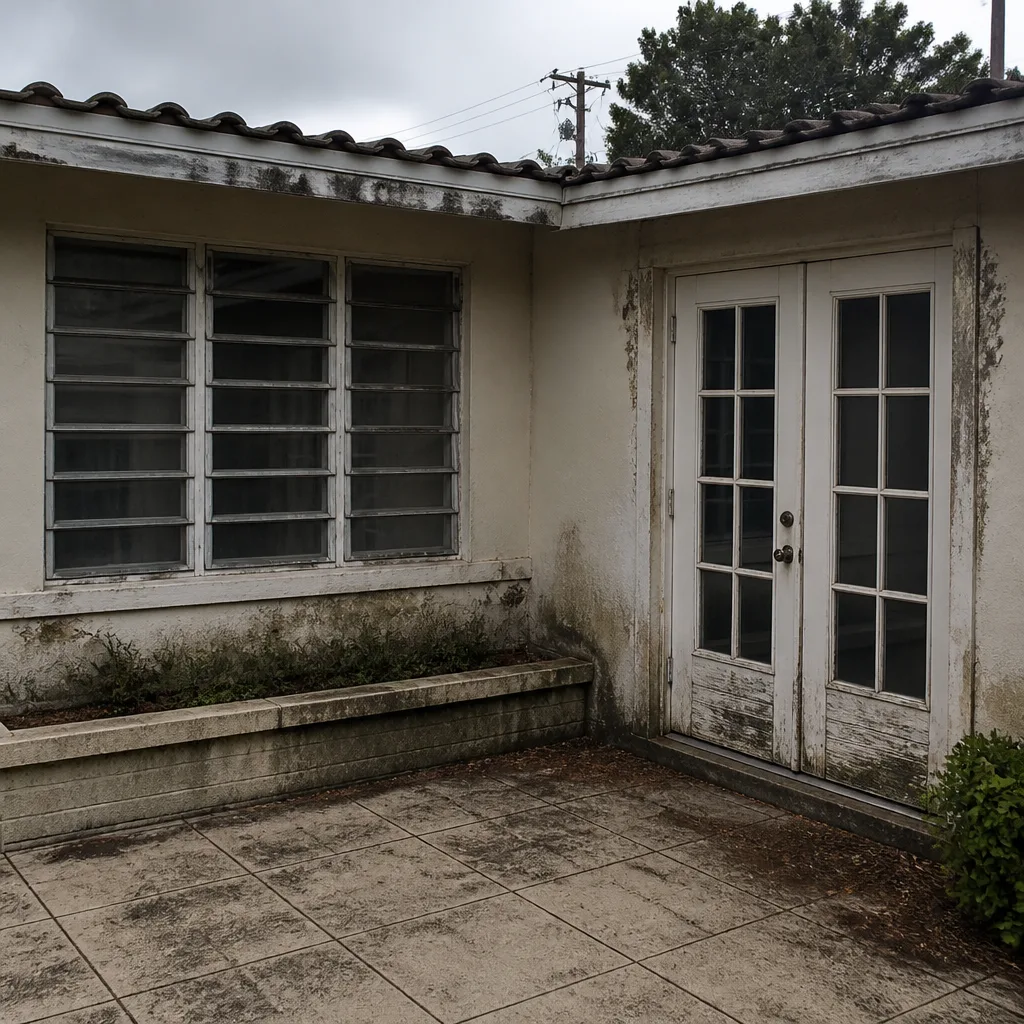 Before
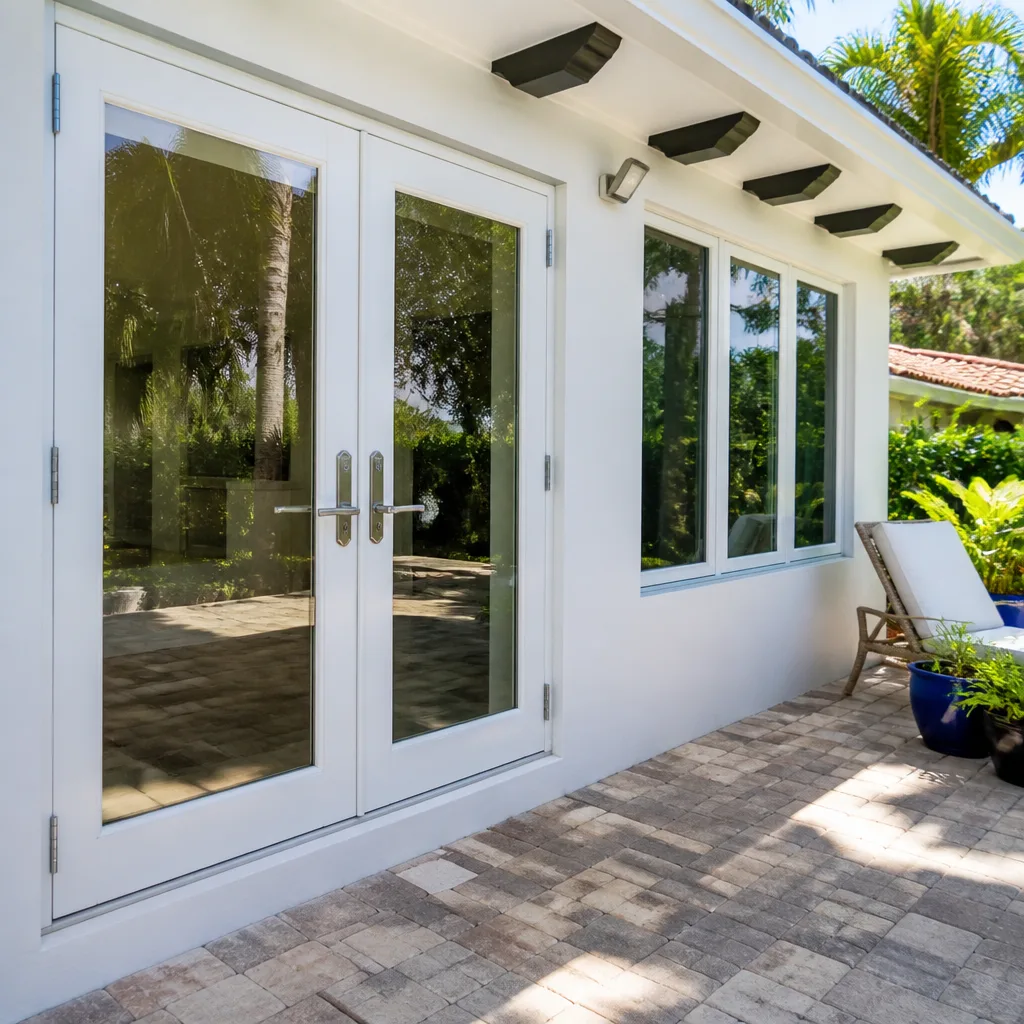 After
After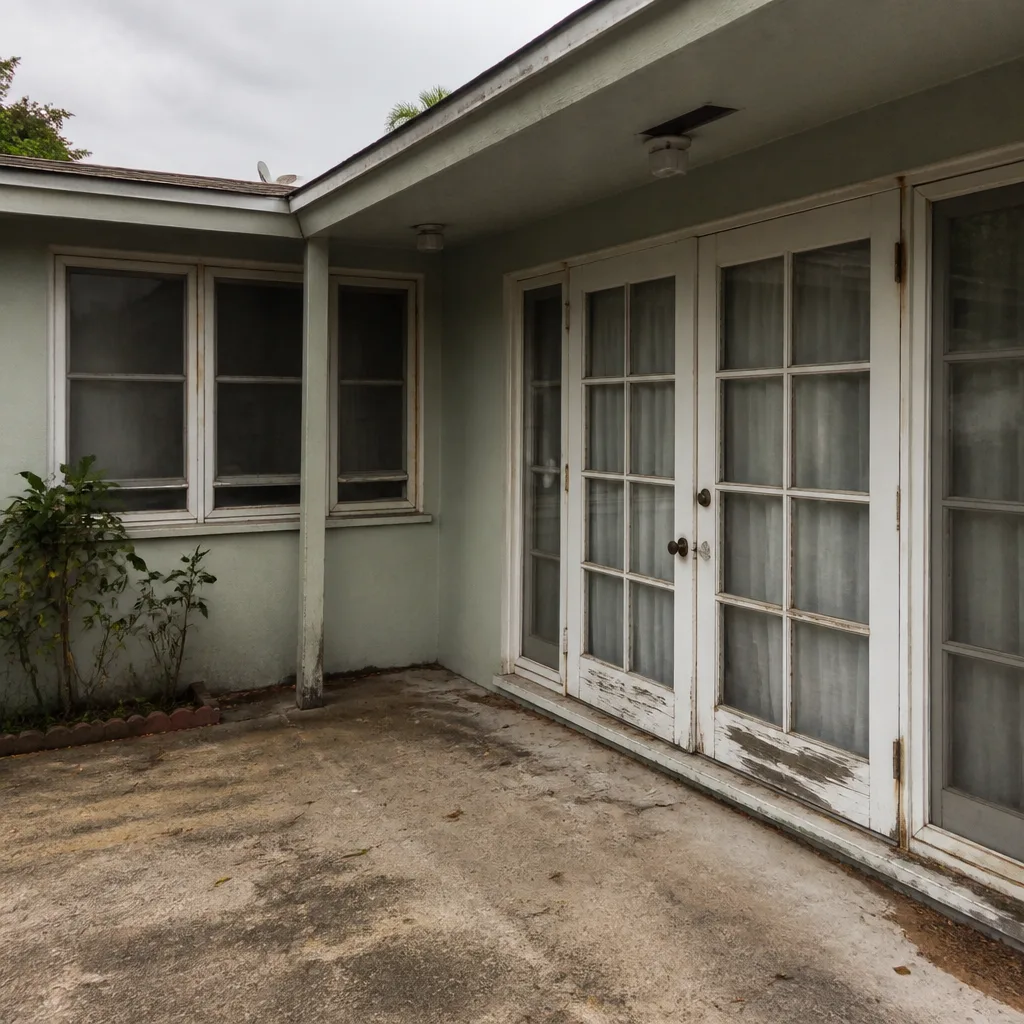 Before
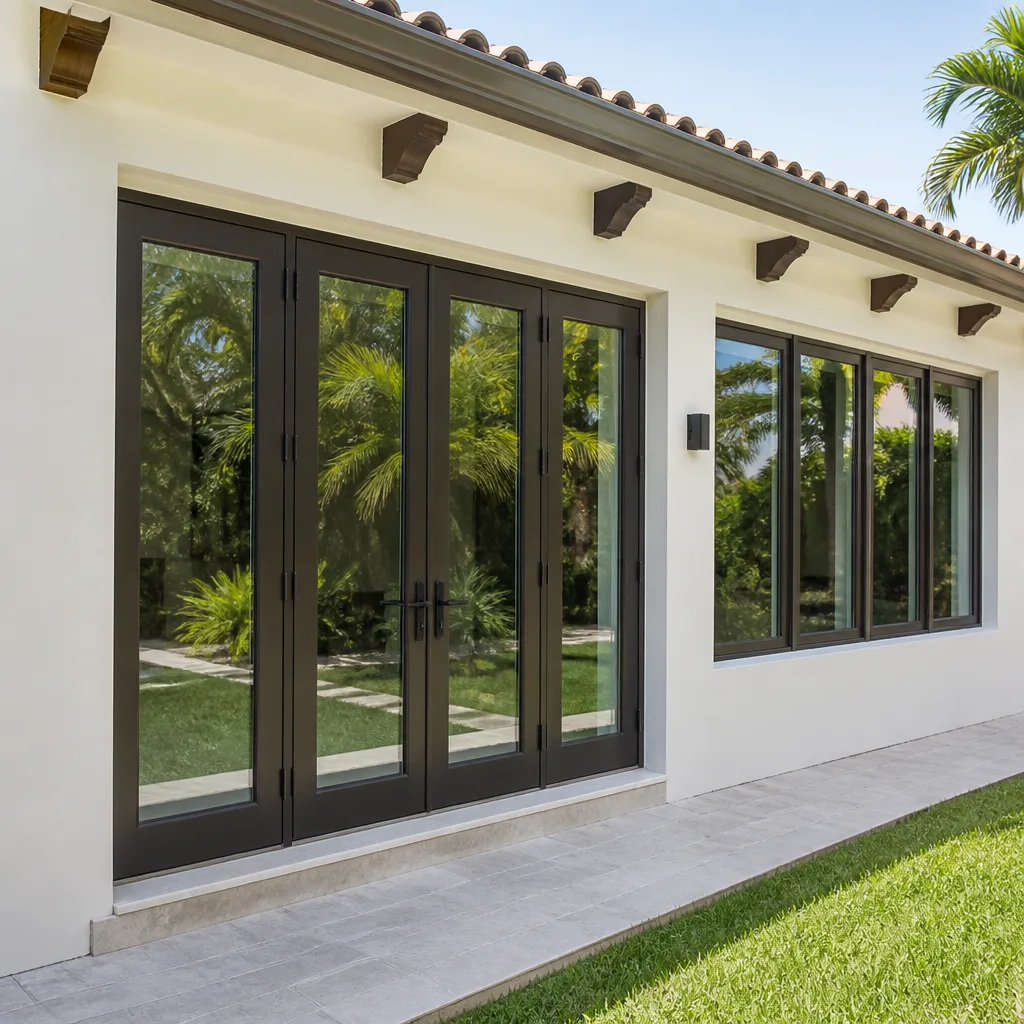 After
After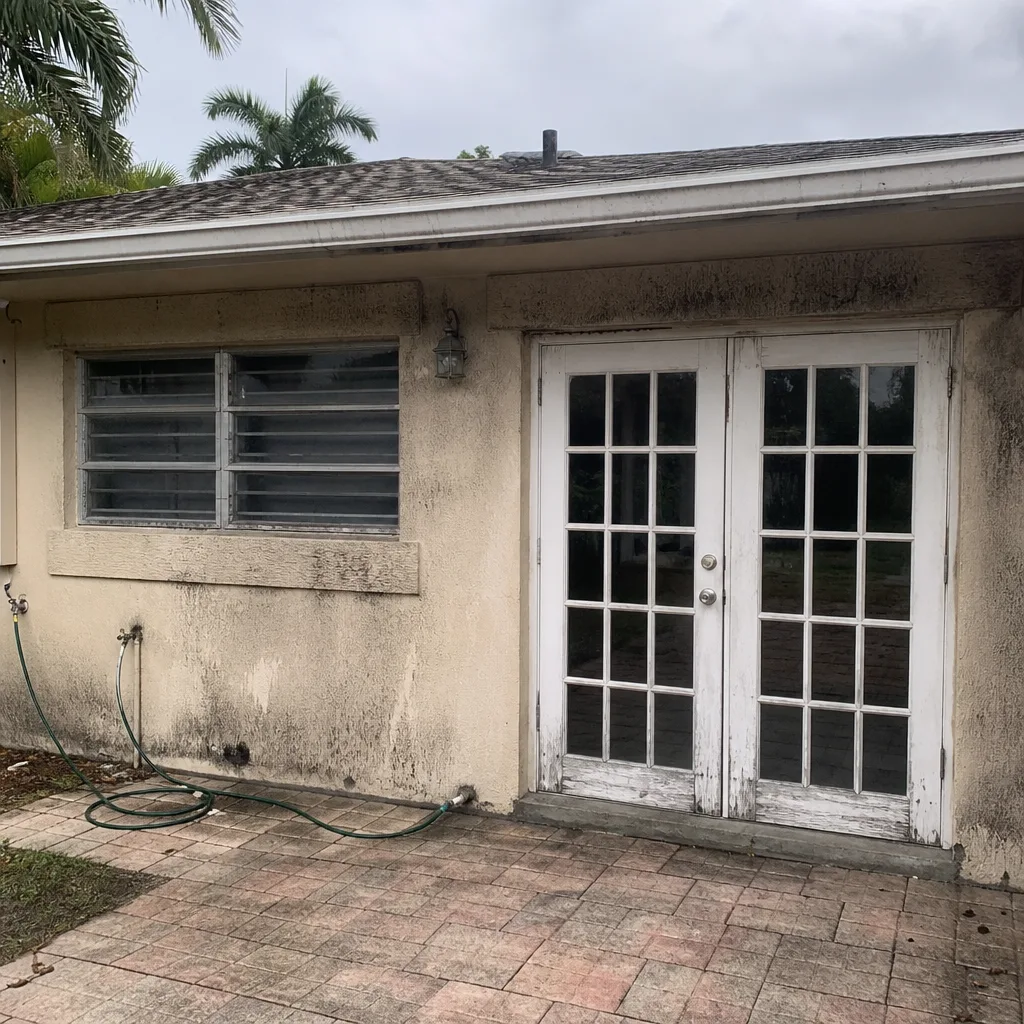 Before
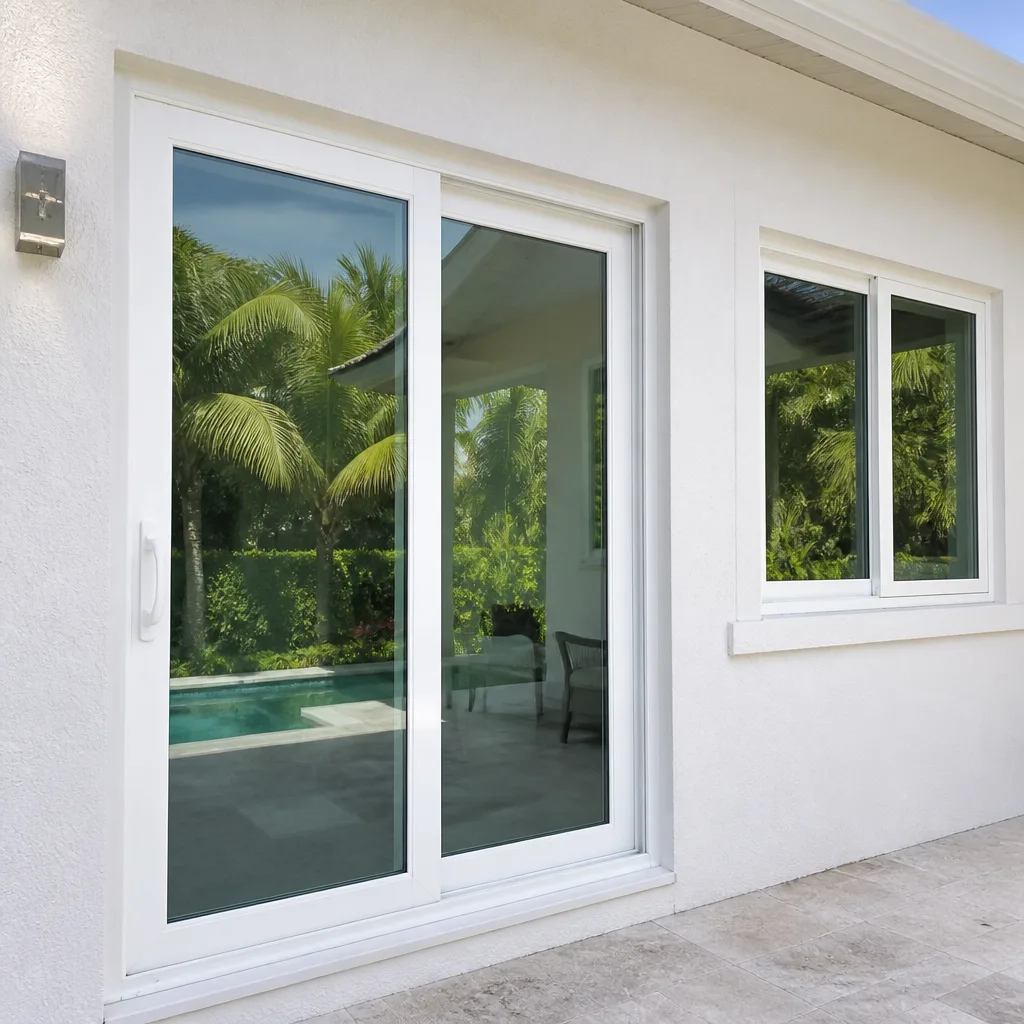 After
AfterWindows & Doors Warning Signs: A Miami Homeowner’s Reference Guide
Here’s a number most Miami homeowners never hear: a window or door that fails during hurricane season can let enough water into a house in 20 minutes to cause $15,000 in damage. The truly frustrating part is that nearly every failure gives advance warning. A hairline gap at a frame corner in March becomes a leak during an August afternoon downpour. A door that sticks in June becomes a door that won’t close in September. This guide is built on 15 years of walking through Miami homes, in neighborhoods from Coral Gables to Kendall to Cutler Bay, and cataloging exactly what those warnings look like. For a deeper dive into protecting your home, see our Complete Guide to Windows & Doors in Miami. You’ll learn what each symptom means, how serious it is, and what to do next.
Quick Answer
The most common warning signs of window and door problems in Miami homes are condensation between glass panes, drafts around frames, doors that stick or won’t latch, visible gaps between frame and wall, water stains on interior drywall or flooring, and hardware that binds or corrodes. Each of these has a specific cause, a measurable risk level, and a finite window of time before repair costs escalate. Catching them at the “monitor” or “schedule service” stage instead of the “act now” stage typically saves Miami homeowners between $800 and $4,000 per opening, depending on the component.
Table of Contents
- Condensation Between Panes: The Seal Failure That Never Fixes Itself
- Drafts and Air Leaks: What You Feel, What It Actually Is
- Sticking Doors and Windows: Why Humidity Isn’t the Whole Story
- Visible Frame Gaps: Caulk Lines, Drywall Cracks, and What They Reveal
- Water Stains and Sill Flooding: Reading the Water Marks
- Hardware Failure and Galvanic Corrosion: The Salt Air Problem
- The Risk Tier System: Monitor, Schedule Service, or Act Now
- How to Document Warning Signs for Warranty and Insurance Claims
- Common Mistakes to Avoid
- When to Call a Professional
- Frequently Asked Questions
- The Bottom Line
Condensation Between Panes: The Seal Failure That Never Fixes Itself
If you see fog, haze, or water droplets between the two layers of glass in a double-pane window, that window’s seal has failed. Period. There is no home remedy, no drying-out process, and no amount of sunny Miami weather that will correct it. What you’re seeing is moisture that has entered the air space between the panes, and the desiccant material inside the spacer bar (the strip that separates the glass layers) is now saturated. Once saturated, it can’t absorb more moisture, and the fog is permanent.
In Miami, seal failure happens faster than in most of the country for two reasons. First, the relentless humidity means the air trying to enter that sealed space carries more moisture to begin with. Second, the thermal cycling of Miami’s climate, where a window bakes in 92-degree sun and then gets hit with a 70-degree rainstorm, causes the glass and frame materials to expand and contract repeatedly. Each cycle stresses the seal. After enough cycles, the seal lets go.
Here’s what seal failure means for you, in practical terms:
- The window’s insulation value drops, though not catastrophically. The bigger issue is that you now have permanently obscured glass.
- If the window is impact-rated (PGT, CGI, CWS, or ES Windows are common in Miami), the failed seal typically does not compromise the impact resistance, but it does mean the window is no longer performing to its energy spec.
- Most window manufacturers cover seal failure under warranty for 10 to 20 years for the glass unit, but labor to replace the insulated glass unit (IGU) is often only covered for a shorter period, if at all.
Risk tier: Schedule service. Seal failure doesn’t create an immediate water intrusion risk, but it won’t resolve, and the repair list only grows if you’re also noticing drafts or frame gaps around the same window. In our experience in Miami, we see homes with three or four failed seals where homeowners simply stopped noticing the fog until we point it out during a window replacement consultation.
Drafts and Air Leaks: What You Feel, What It Actually Is
A draft in a Miami home often gets written off as a normal byproduct of air conditioning. Cold air sinks, so when you feel a cool breeze near a window or door on a still day, that’s not your AC being efficient. That’s outside air being pulled into the conditioned space. Here’s the part that surprises most homeowners: the air you feel coming in is matched by air leaking out somewhere else. Your house is breathing, and every breath costs you money on your FPL bill.
The most reliable way to locate a draft without special equipment takes about 20 minutes. Here’s the step-by-step:
- Turn off your AC and close all windows and doors.
- Turn on the exhaust fans in your bathrooms or use a range hood if it vents outside. This creates negative pressure inside the house.
- Wait 5 minutes for the pressure differential to establish.
- Light a stick of incense or a thin candle and move it slowly around the perimeter of every window, door, and the baseboards beneath them.
- When the smoke wavers or the flame bends, you’ve found an air leak. Mark the spot with painter’s tape and photograph it.
In Miami, the three most common sources of drafts we find are, in order: worn weatherstripping on doors (especially French doors and sliding glass doors), failed caulk at the exterior perimeter of window frames, and gaps between the window frame and the rough opening that were never properly insulated during original construction or a previous retrofit. That third one is the important one, because it means the problem is behind the trim, not at the surface. No amount of recaulking the face will stop it. If you find a persistent draft that doesn’t improve after weatherstripping replacement, the frame likely needs to be pulled and the rough opening resealed, which is a job for a window installation crew that knows how Miami homes are actually built.
Risk tier: Schedule service for weatherstripping and visible caulk failures. Act now if you can see daylight through a gap around a door or window frame, meaning an actual void, not just a hairline crack.
Sticking Doors and Windows: Why Humidity Isn’t the Whole Story
The sticky door is the most dangerous warning sign in South Florida because it’s the easiest to rationalize. “It’s just the humidity.” Sometimes that’s true. Wood swells in Miami’s wet season, and a door that binds in August but swings freely in January is probably telling you that the door slab or the wood jamb has absorbed moisture and expanded. That’s a maintenance issue. Sand, plane, or adjust, and you’re done.
But a door that sticks year-round, or sticks in a specific spot (always at the top corner, always at the latch side), is telling you something else. Here’s how to read it:
- Sticks at the top, hinge side: The hinge screws may be loosening, or the jamb has shifted. Check if the top hinge screws are tight and if the reveal (the gap between door and jamb) is consistent on all three sides.
- Sticks at the top, latch side: The door slab may be sagging, or the lintel above the opening is deflecting. This is where Miami’s older masonry homes show their age. A corroded steel lintel above a door opening can deflect a quarter-inch, and that’s all it takes to make a door bind.
- Sticks at the bottom: The threshold may have shifted, or the floor has moved. On Miami’s flat-grade lots with expansive or shifting soils, slab movement is a real thing. It’s often minor, but it’s worth understanding whether the movement is old and settled or ongoing.
Windows that stick are usually a frame alignment issue. Aluminum window frames in Miami expand and contract with heat. A window that’s tight in the afternoon sun but opens easily in the morning is experiencing thermal expansion. That’s normal. A window that’s always tight in one corner, or that requires force to open or close, may have a frame that’s out of square, a roller or balance that’s failed, or corrosion building in the track. The risk of ignoring a sticking window is that you’ll force it, and forcing it is how you break the sash, strip a gear, or yank a frame screw out of a wall.
Risk tier: Monitor if sticky only during high humidity or afternoon heat. Schedule service if sticky in the same spot regardless of weather. Act now if a door won’t latch or deadbolt at all, because that’s no longer a nuisance, it’s a security issue, and Miami’s building code requires all exterior doors to close and latch securely.
The cost difference between catching a sticking door early and waiting for it to fail is real. Adjusting hinges or replacing weatherstripping might run you $150 to $300. Replacing a corroded lintel or rebuilding a rough opening starts at $1,500 and goes up from there, before you even price the new door.
Visible Frame Gaps: Caulk Lines, Drywall Cracks, and What They Reveal
Walk around the exterior of your Miami home with a flashlight, ideally on a dry afternoon, and look at every window and door frame. What you’re looking for is a gap between the frame and the wall material, whether that’s stucco, siding, or concrete block. A hairline crack in a caulk line is cosmetic, mostly. A gap wide enough to slide a credit card into is a water intrusion path.
Inside the house, look at the drywall around each opening. Diagonal cracks running from the top corners of a window or door frame outward are the classic sign of structural movement. In Miami’s older homes, particularly those built before the 1992 post-Andrew code updates, these cracks are common and often stable. The key is whether they change. Draw a pencil mark at the end of the crack and date a photo. If the crack extends past your mark in six months, the movement is ongoing and needs evaluation. If it stays put for a year, it’s likely settled and you can patch and paint.
Here’s a table of what different gap patterns typically mean in Miami construction:
- Caulk separating from stucco, even gap all around: Normal material movement. Recaulk with a high-quality elastomeric or polyurethane sealant rated for Miami’s UV exposure. Watch for recurrence within 12 months, which suggests more movement than expected.
- Caulk pulling away only on one side: Differential movement. One material is moving more than the other. This can be frame oil-canning (metal expanding and buckling) or stucco delaminating. Needs a closer look.
- Gap between frame and wall, visible void: The original sealant has completely failed and there’s an open channel to the rough opening. This is an active water intrusion path during any wind-driven rain. Act now.
- Drywall crack from corner, hairline, stable: Cosmetic, most likely. Monitor with photos.
- Drywall crack from corner, widening, or opening: Could be slab movement, failed lintel, or termite damage (yes, termites love the wood around doors and windows). Act now.
One Miami-specific phenomenon worth knowing: frame oil-canning. Aluminum frames that bake in direct south or west exposure can develop visible bowing or rippling, called oil-canning. It’s acoustic (you’ll sometimes hear a popping sound as the metal moves) and visual. Mild oil-canning is a cosmetic issue. Significant oil-canning, where the frame visibly distorts and the glass unit is under pressure, is a structural concern. If you see it, take a photo from 10 feet away, then from 2 feet away, and have a professional take a look before next hurricane season.
Risk tier: Monitor hairline cracks and even caulk separation. Act now for any visible void or widening crack.
Water Stains and Sill Flooding: Reading the Water Marks
Water damage around Miami windows and doors tells a story, and the location of the stain tells you where the water actually entered, which is often not where it appears. Here’s how to read the marks:
- Stain on the ceiling above a window: Water is entering above the window, not at the window itself. This is usually a roof flashing failure, a leaking wall penetration above, or a failed lintel allowing water to track down the wall cavity and exit at the first horizontal surface below. Check the roofline above. This is a case where your window issue is actually a roof issue, and it’s exactly the kind of thing a full exterior-protection specialist like Winslow Windows & Doors is set up to trace, since we do roofing and windows under one roof, so there’s no finger-pointing between trades.
- Stain on the interior wall beside a window, below the sill: The classic sign of a sill pan failure (in newer construction) or missing sill flashing (in older construction). Water hits the sill, runs to the ends, and wicks down the wall. Miami’s afternoon downpours, with their wind-driven rain, make this the most common leak pattern we see.
- Water pooling on the interior sill after rain: The drainage channels (weep holes) at the bottom of the window frame may be clogged, or the window was installed without proper slope. Wipe the sill dry, then use a small wire or compressed air to clear the weep holes. If the pooling continues, water is entering around the frame, not through the track.
- Water on the floor below a door, no visible stain on the wall: The threshold is the culprit. Miami’s flat-grade lots mean many homes have little or no slope away from the foundation, so water sheets toward the door during heavy rain. A properly installed threshold with a continuous end dam and silicone sealant under it will keep that water outside. If the threshold is older or the seal beneath it has degraded, every heavy rain walks water into the house.
Miami’s code has tightened significantly since Hurricane Andrew, but many homes still have original windows from the 1980s and 1990s, installed under less demanding standards. A home built in 1985 with original aluminum single-pane windows isn’t a code violation, but it’s also not performing to 2026 standards for water resistance. If you’re seeing recurring water stains, the fix may be a repair, but on windows that old, it’s often a case where impact windows make sense, because you solve the water problem and the storm-protection upgrade in one project.
Risk tier: Act now for any water stain that grows, any water pooling that recurs after rain, or any stain that feels soft or spongy to the touch. Active water intrusion is the fastest path to mold, rot, and structural damage in Miami’s heat and humidity.
Hardware Failure and Galvanic Corrosion: The Salt Air Problem
If you live east of US-1 in Miami, or within a few miles of Biscayne Bay, your windows and doors are aging faster than identical products installed in Kendall or Doral. The culprit is salt air. Fine salt particles carried on the ocean breeze settle on metal surfaces, and when humidity provides the moisture, the salt becomes an electrolyte. That enables galvanic corrosion, which is the electrochemical process that occurs when two different metals are in contact in the presence of an electrolyte.
In practical terms, here’s what that means for your hardware:
- Aluminum window frames develop white, chalky oxidation, particularly at corners and screw heads. That oxidation is the aluminum corroding, and it accelerates when stainless steel or zinc-plated hardware is in direct contact with the aluminum frame without a proper isolating barrier.
- Steel hinges, locking rods, and roller assemblies rust and bind. A casement window crank that turns harder each year is often not a temporary condition; it’s corrosion building inside the operator mechanism.
- Sliding glass door rollers made of steel in an aluminum track will freeze up, usually starting with a grinding sensation when you slide the door. That grinding is the sound of the roller no longer rolling, but dragging a flat spot across the track.
What can you do about it? For hardware that’s already corroding, there’s no magical product that reverses it. Lubricants can buy you time, but they don’t remove the corrosion. The permanent fix is replacing the hardware with marine-grade or otherwise properly coated components, and ensuring any new hardware is installed with a protective barrier between dissimilar metals. If the frame itself is badly corroded, particularly at the corners or where the glass sits, the frame may need to be replaced. In Miami’s coastal zones, we see homes where the glass is still perfectly clear and functional, but the frames have been eaten to the point where the window can’t be properly secured for a storm. If you’re facing this, learn how to hire a windows and doors contractor in Miami before hurricane season arrives. That’s a liability no homeowner should carry into hurricane season.
Risk tier: Monitor light surface oxidation with no functional effect. Schedule service for hardware that’s getting progressively harder to operate. Act now for any window or door that can’t be securely closed and locked, because that’s a building-code violation and a storm-season hazard.
The Risk Tier System: Monitor, Schedule Service, or Act Now
After walking hundreds of Miami homes over 15 years, we’ve learned that the single most useful thing we can give a homeowner is a framework for deciding what to ignore, what to put on the calendar, and what to handle today. Here’s the risk-tier system we teach, applied to the signs covered in this guide:
Tier 1: Monitor (recheck in 30, 90, and 180 days with photos)
- Hairline caulk cracks around frames with no gap behind them
- Light surface oxidation on aluminum frames with no functional impact
- Minor sticking that appears only during peak humidity or afternoon heat
- Stable drywall cracks that haven’t extended in 12 months
- Faint condensation between panes that appears only on cool mornings and disappears
Tier 2: Schedule Service (put it on the calendar this month; the fix is still relatively affordable)
- Permanent condensation between glass panes
- Drafts that persist after weatherstripping replacement
- Sticking that occurs in the same spot regardless of weather
- Caulk separation concentrated on one side of a frame
- Hardware that’s getting progressively harder to operate
- Water pooling on an interior sill that stops when weep holes are cleared
Tier 3: Act Now (today or this week; every day of delay costs money or adds risk)
- Visible gap between frame and wall with a void behind it
- Water stain that’s wet, soft, or growing
- Door that won’t latch or deadbolt at all
- Window that can’t be securely closed or locked
- Drywall crack that’s visibly widening or has opened up
- Any second-story window issue combined with water staining on the ceiling below
The pattern you should notice: Tier 3 items are almost always Tier 1 or Tier 2 items that were left alone too long. A month of “monitor” is fine. A year of “monitor” on a growing problem is how a $300 fix becomes a $3,000 repair. We’ve priced both ends of that range, and the difference is always visible in the home’s condition.
How to Document Warning Signs for Warranty and Insurance Claims
Documentation is where Miami homeowners lose money. We’ve seen legitimate warranty claims denied because the homeowner took a photo but couldn’t show when it was taken, couldn’t demonstrate the problem was reported within the coverage period, or didn’t capture the detail the manufacturer needed to approve the claim. Here’s the documentation protocol we recommend, and it takes less than five minutes per opening:
- Photograph with context and detail. Start wide (the whole wall or door from 8-10 feet away) so the location is unmistakable. Then move close (6-12 inches) to capture the actual defect, like a crack, stain, or corrosion spot. Take both in daylight. Flash photos wash out exactly the detail you’re trying to capture.
- Put a ruler or coin in the close-up photo. A crack photo without scale is useless. A quarter, a tape measure, or even your finger tells the viewer how big the defect actually is. A hairline crack that’s actually 1/16 inch tells a different story than one that’s 1/4 inch.
- Date everything. Your phone stamps EXIF metadata on every photo, but that’s not enough on its own. Write or type the date somewhere in your records, and when you email the photos to yourself or the contractor, the email becomes a timestamped record. Screenshot the email after sending.
- Write a one-sentence description. “East-facing bedroom window, second floor, condensation between panes, present since noticed March 2025.” That sentence, paired with the photo, is more useful than 20 photos with no context.
- Store everything in one place. Create a folder in your phone or computer called “House – Windows and Doors” and save every photo, every email, every estimate in that one place. When you need to file a claim, you won’t be hunting through camera rolls.
- Notify in writing, not by phone. If you’re making a warranty claim, send an email so there’s a paper trail. If you call, ask the person to send you a confirmation email while you’re on the phone. A phone conversation that never gets documented might as well not exist for claim purposes.
One more point specifically for insurance claims in Miami: after a storm, take exterior photos of every window and door before you touch anything. Insurance adjusters need to see the pre-mitigation condition. If you tarp, board up, or repair before photographing, you’re making the claim harder to prove. This is standard practice for the homeowners we work with in the aftermath of named storms, and it protects you.
Common Mistakes to Avoid
- “It’s just the humidity.” Humidity explains some sticking and some swelling, but it doesn’t explain a door that won’t latch in December. If the problem persists through a dry spell, stop blaming the weather and start investigating.
- Recaulking over a failed sealant without removing the old material. New caulk doesn’t adhere to old, oxidized caulk. The fix looks fine for six months and then fails again. The old sealant has to come out, the surface has to be cleaned and primed, and the new sealant has to be tooled correctly.
- Forcing a sticking window or door. Forcing is how you turn a $50 hardware adjustment into a $400 sash replacement. If it doesn’t move with normal pressure, stop and figure out why.
- Ignoring weep holes. Weep holes get clogged with dirt, pollen, and insect debris in Miami’s climate. Clogged weep holes turn every rainstorm into a mini flood on your sill. Clean them twice a year, once before wet season and once after.
- Waiting until after hurricane season to address Tier 3 issues. June 1 arrives every year, and every year, Miami homeowners scramble. If you have a window that can’t close or a door that won’t latch in April, fix it in April, not June.
- Assuming the manufacturer warranty covers everything. Most window warranties cover the glass unit for a long period, but labor is often limited to a year or two. Read your warranty. If the manufacturer denies a labor claim, the install contractor is your next call.
- Not documenting. Every undocumented warning sign is a warning sign you’ll have to rediscover later, and a claim you can’t prove. Photos and dates are free insurance.
When to Call a Professional
Some things you can monitor and handle yourself. Others need a trained eye and the right tools. Call a professional if you see a gap between frame and wall that you could slide a card into, water staining that’s wet or growing, any door or window that can’t be secured, corrosion that’s pitting or eating through metal, or any crack that’s visibly changing from month to month. A second opinion on a written estimate is free, and it’s the cheapest insurance you’ll ever buy. Winslow Windows & Doors offers free estimates in Miami, call (863) 862-5435 and we’ll walk the house with you, identify what’s actually going on, and give you a straight answer about what needs attention now and what can wait.
Frequently Asked Questions
Window repair in Miami typically runs $85 to $350 for hardware replacement, weatherstripping, or caulking, and $250 to $600 for insulated glass unit replacement in a standard double-pane window. Frame repairs or rough opening work can run $800 to $2,500 per opening. For exact pricing on your specific windows, call (863) 862-5435 and we’ll give you a written line-item quote at no charge.
Condensation between the panes means the sealed glass unit has failed, and the glass unit itself needs to be replaced, not the entire window. Most manufacturers offer replacement insulated glass units under warranty, though labor coverage varies. Replacing the glass unit preserves the existing frame and is almost always cheaper than a full window replacement.
The first signs of impact window failure are usually failed seals showing as permanent fog between panes, visible corrosion at the frame corners, or hardware that no longer securely locks. Impact windows can also lose their structural integrity if the laminate between the glass layers delaminates, which appears as a pearlescent or cloudy sheen in the glass. If you see that, the window needs evaluation before next hurricane season.
Check the reveal, the gap between the door and the jamb, on all three sides. A consistent reveal means the door is the right size and the opening is stable. An inconsistent reveal, tight at one corner and wide at another, suggests the opening has shifted. Also check if the door sticks in the same place year-round or only in humid weather. If it’s consistent year-round, the house may be moving; if it’s seasonal, it’s likely moisture in the door or jamb.
Yes, we pull permits and schedule inspections for every project that requires them under Miami building code, which applies to most window and door replacements. If a contractor offers to do the work without permits, that’s a red flag. Unpermitted work can complicate a future home sale and may not meet current wind load requirements.
Our quotes are written and line-itemed, and we don’t pad them with change orders unless the job scope genuinely changes, like discovering hidden rot or termite damage inside a wall that wasn’t visible before demolition. In that case, we stop, show you exactly what we found, and give you a written price for the additional work before we proceed. No surprises on the invoice, that’s the point of the window replacement process we run.
The Bottom Line
Every Miami home tells you what it needs. The condensation, the drafts, the sticky doors, the hairline cracks, the corroded hardware, all of it is communication. The homes that stay dry, efficient, and storm-ready are the ones where somebody actually listened and acted before hurricane season. The homes that flood, that lose windows in a Category 3, that cost their owners five figures in emergency repairs, are the ones where the warning signs were there for months or years and got explained away. You now know what to look for, what it means, and when to act. That knowledge is yours to keep, and it’ll serve you whether you ever call us or not. For more guides & resources on protecting your Miami home, explore our blog.
Written by Ed Winslow, Owner at Winslow Windows & Doors, serving Miami since 2011.
Six Reasons Homeowners Choose Winslow Windows & Doors
Impact systems engineered to design pressures up to +/-100, matched to your wind zone - your openings hold when the storm arrives.
Low-E insulated impact glass from our manufacturer lines commonly cuts monthly cooling bills 20-30%.
Laminated impact glass shuts out up to 40% of outside noise - traffic, neighbors, weather.
Monitoring services run $30-90 a month. Laminated impact glass resists forced entry around the clock, with no subscription.
Florida homeowners average around 25% savings on the windstorm portion of their policy after protecting every opening - some homes qualify for more.
A full impact package upgrades curb appeal, buyer confidence and appraised value in one project.