
Last updated August 27, 2026
Free in-home measure and quote - PGT, CGI and CWS impact lines compared on your actual openings, style by style
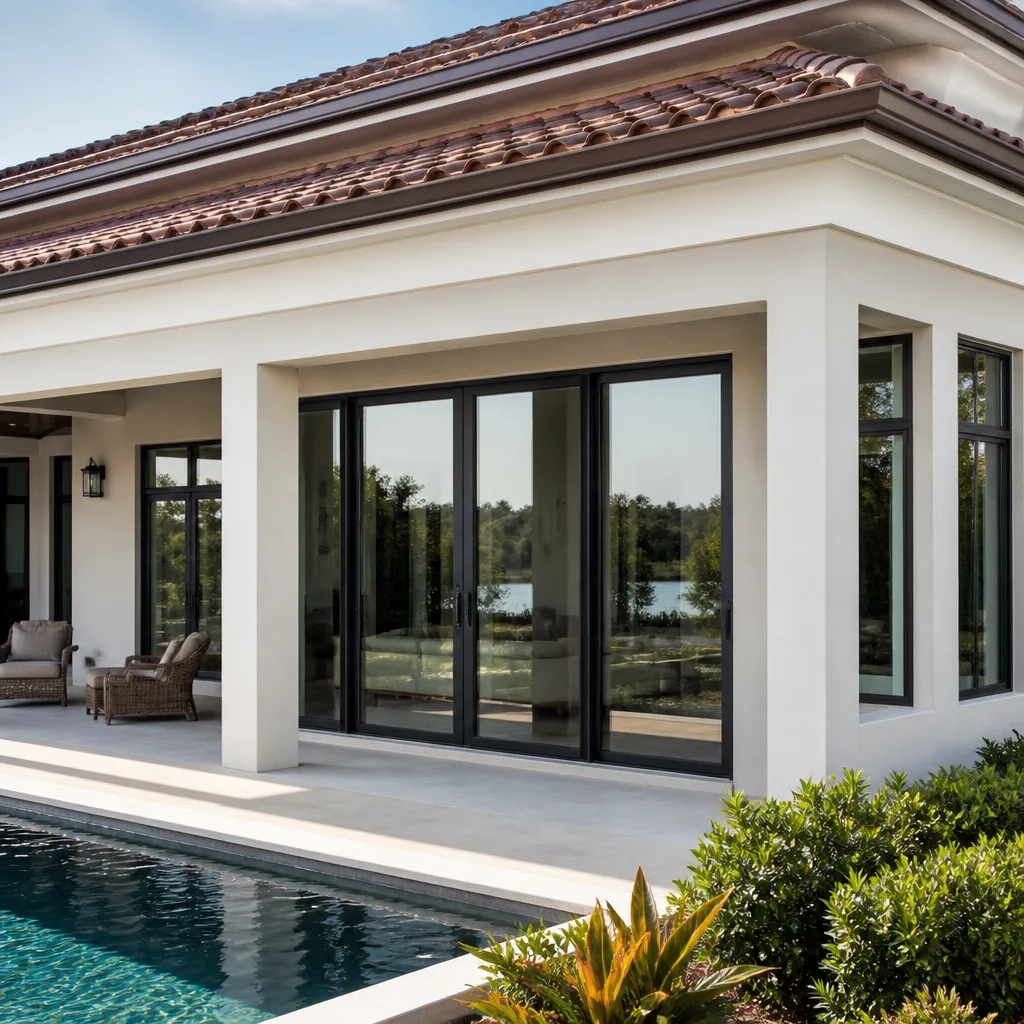
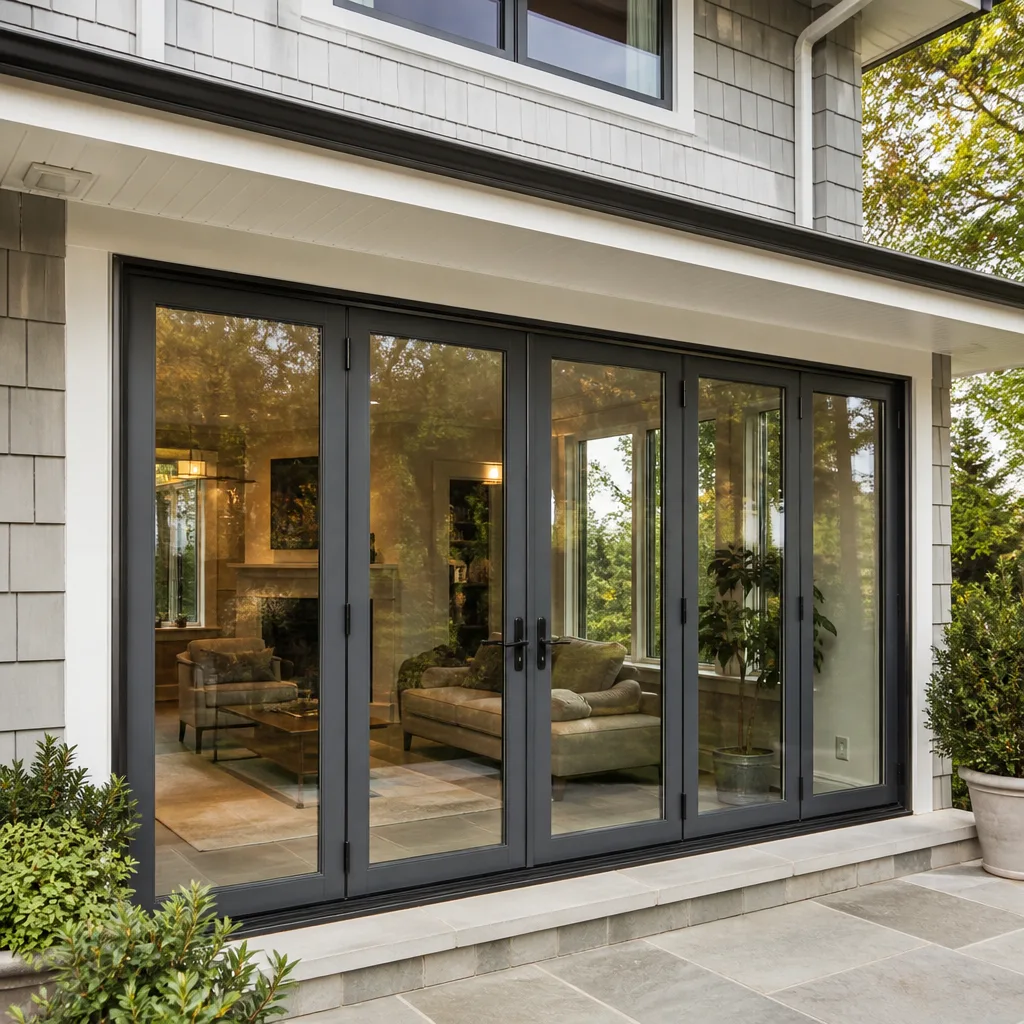
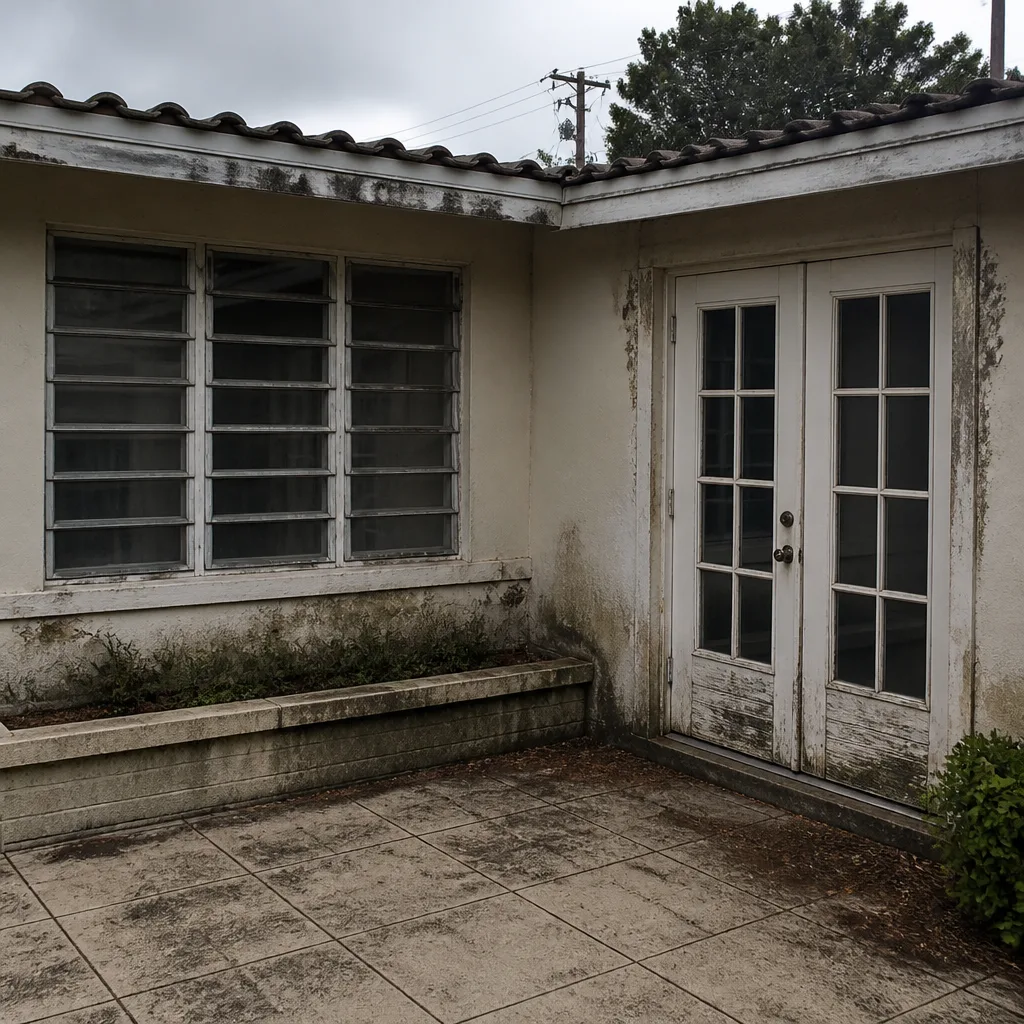 Before
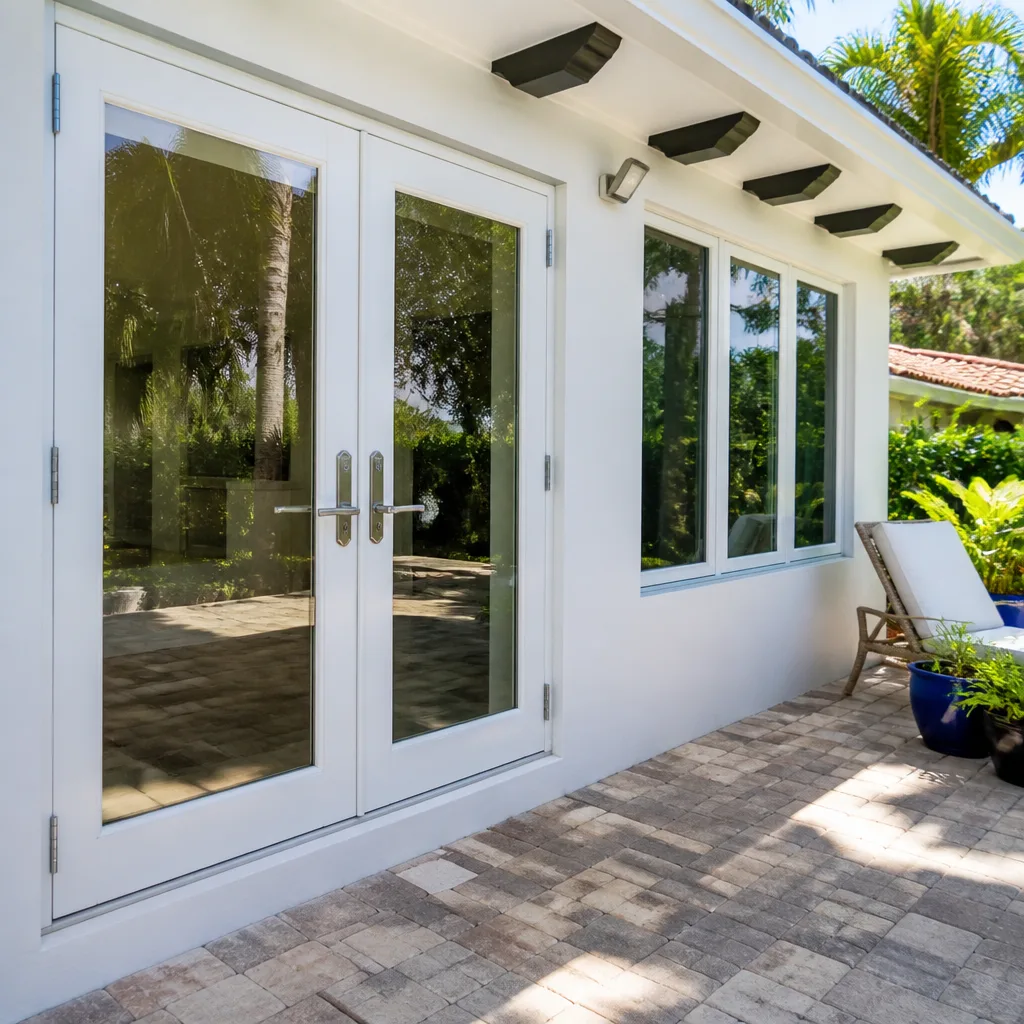 After
After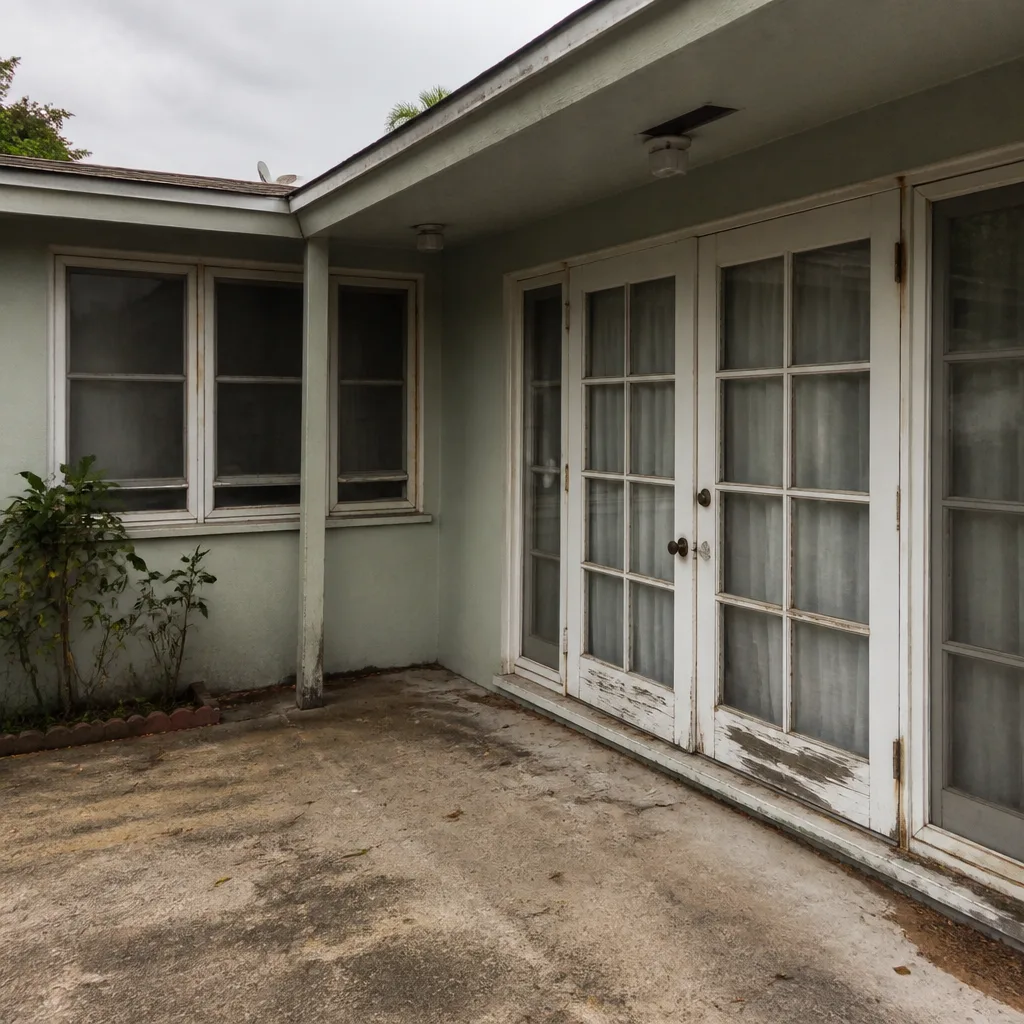 Before
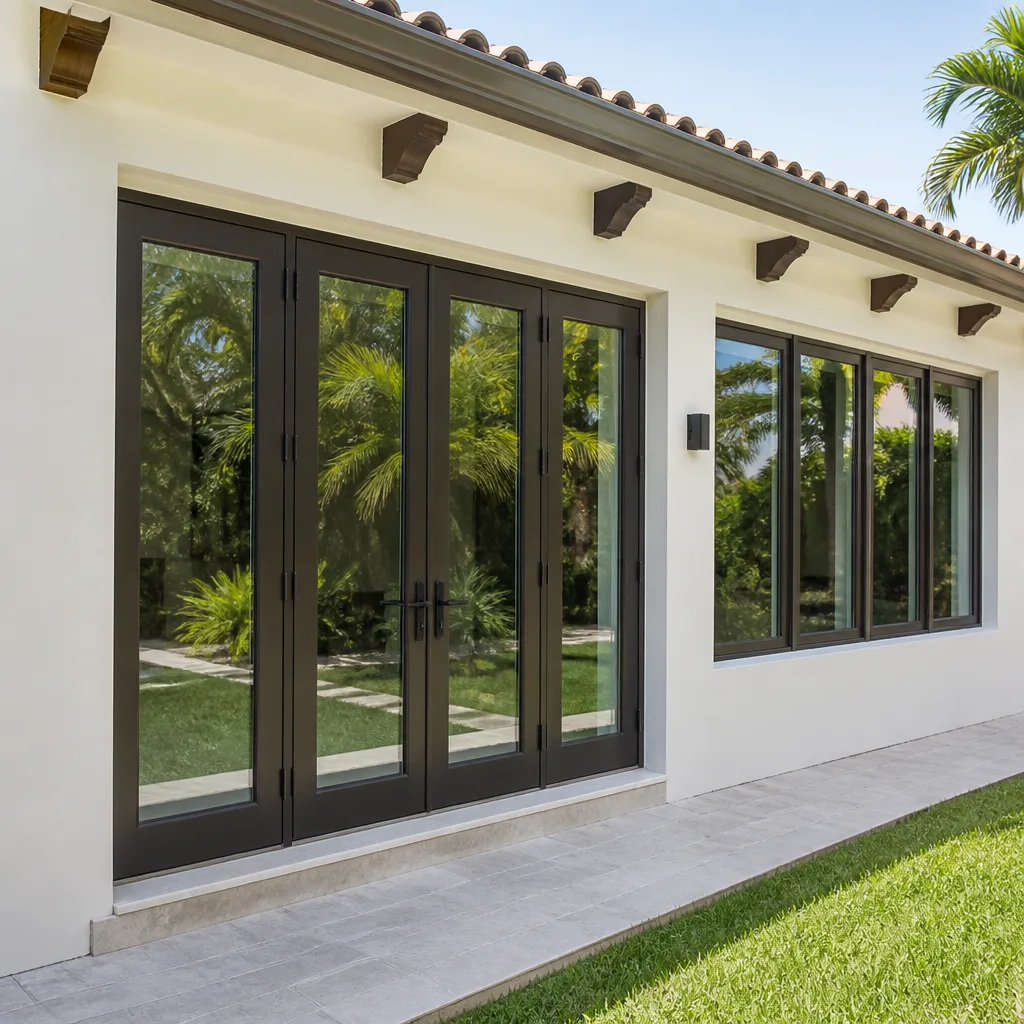 After
After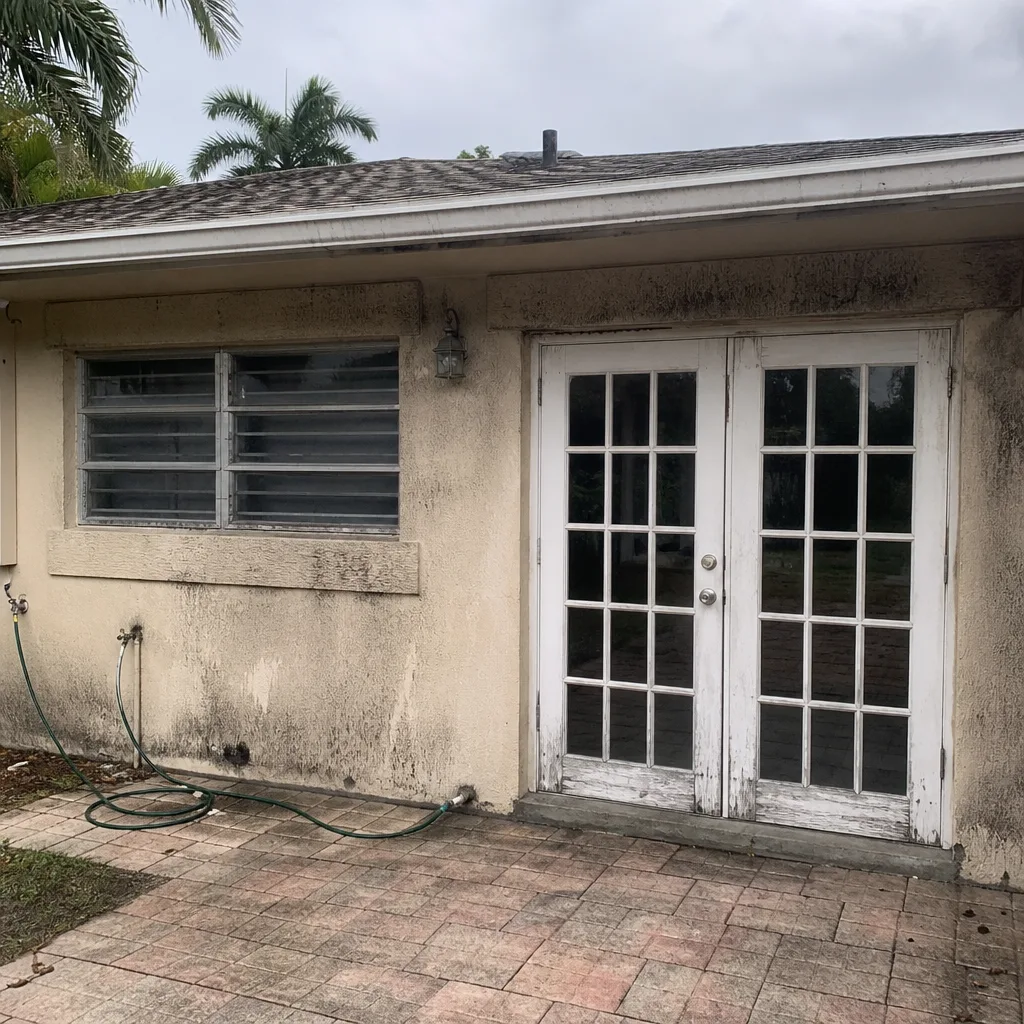 Before
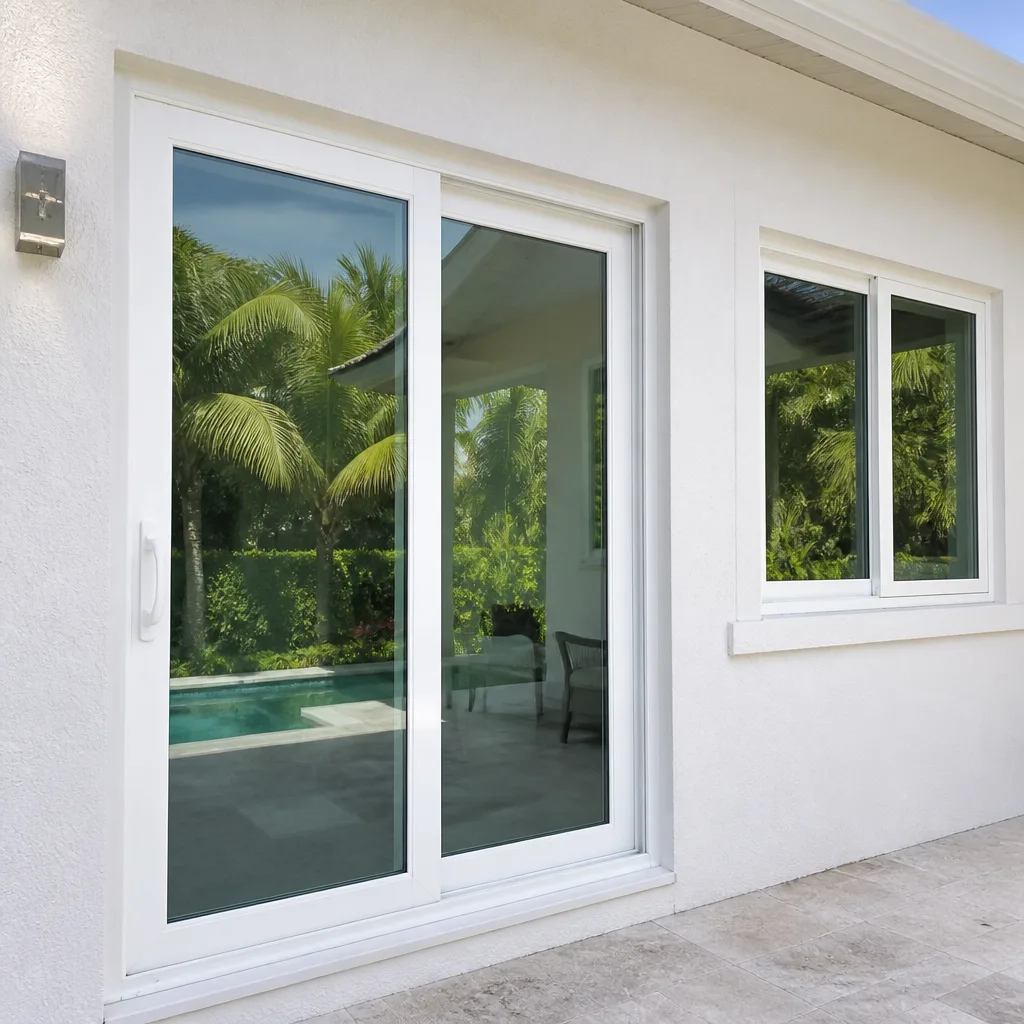 After
AfterThe Complete Guide to Windows & Doors in Miami
Miami-Dade County’s product approval database lists over 4,000 window and door products, but fewer than a third carry High-Velocity Hurricane Zone (HVHZ) approval. Most homeowners never learn this until a storm exposes the difference between a product that’s legal in Florida and one that’s actually approved for Miami. This guide explains what that distinction means for your house, your insurance premium, and your budget. You’ll learn how glass, frame, and installation choices compound each other, why your windows and doors should be treated as one coordinated system rather than two separate purchases, and how to verify every claim a contractor makes before you sign.
Quick Answer
Choosing windows and doors in Miami means selecting products that meet Miami-Dade County’s strict HVHZ impact standards, matching frame materials to our salt-air climate, and hiring an installer who pulls permits and understands how window and door replacement interacts with your roof. Expect to pay $600 to $1,400 per impact window opening and $2,500 to $6,000 for a code-compliant exterior door, fully installed. The right combination reduces insurance premiums, survives Category 5 wind loads, and works as a single exterior armor system rather than a collection of parts.
Table of Contents
- Why Miami Is Different From the Rest of Florida
- The Difference Between “Hurricane Rated” and “Impact Rated”
- How Miami’s Climate Attacks Windows and Doors
- What Miami Insurance Carriers Actually Look For
- Why Windows, Doors, and Your Roof Must Be Planned Together
- Frame Materials: What Survives Salt Air and UV
- What Windows and Doors Really Cost in Miami
- Common Mistakes to Avoid
- When to Call a Professional
- Frequently Asked Questions
- The Bottom Line
Why Miami Is Different From the Rest of Florida
Florida building code splits the state into wind zones. Miami-Dade and Broward counties sit inside the High-Velocity Hurricane Zone, which is a designation the rest of Florida does not share. A window approved for Orlando or Tampa does not automatically qualify for installation in Miami. The HVHZ standard requires products to survive wind pressures that exceed what the Florida Building Code demands elsewhere, and it also requires specific testing for wind-borne debris impact. A product that carries a generic Florida Product Approval may still be illegal to install in Miami-Dade unless it also carries an HVHZ approval from the county’s product control division.
This matters because contractors do not always spell it out. We’ve seen written estimates in Miami that quote windows with Florida Product Approval numbers but no NOA (Notice of Acceptance) from Miami-Dade County. The homeowner signs, the windows go in, and the first time the house is inspected for insurance renewal or resale, the approval gap surfaces. Remediation means pulling the windows and starting over.
Before you accept any quote in Miami, ask for the product’s NOA number. Then verify it on the Miami-Dade County product control search portal. It takes five minutes. We do this on every job we quote because Ed Winslow’s name is on the door and on every job we do. If a contractor balks at providing an NOA number, treat that as a red flag.
The Difference Between “Hurricane Rated” and “Impact Rated”
“Hurricane rated” and “impact rated” are not the same thing, even though contractors in Miami use the terms interchangeably. A hurricane-rated product has been tested for wind pressure alone. It might survive 180 mph winds against the glass. But wind pressure testing does not prove the product can take a direct hit from a 2×4 traveling at 34 miles per hour, which is the actual debris impact test Miami-Dade requires. An impact-rated product has passed both the wind pressure test and the large-missile impact test, which fires a nine-pound 2×4 at the glass and frame at storm-speed velocities.
Only impact-rated products with HVHZ approval meet Miami-Dade’s full code requirement. Hurricane-rated products that lack impact testing may be legal for inland Florida counties with lower wind speeds, but they are not compliant for a Miami home. When you hear a contractor say “hurricane rated,” ask directly: “Is this product impact tested, and does it carry a Miami-Dade NOA?” If the answer is vague, the product is probably not what your house needs.
This distinction also affects insurance. Carriers in Miami specifically ask about impact-rated openings. A hurricane-rated window that lacks impact testing may not qualify for the wind mitigation credits that reduce your premium. You end up paying for a product that protects less and saves you nothing on insurance. The honest math favors impact-rated products every time in Miami, and the brands we install, including PGT and CGI, carry the Miami-Dade NOA numbers that make verification simple.
How Miami’s Climate Attacks Windows and Doors
Miami’s environment is unusually aggressive on building materials. Salt air, relentless UV exposure, and year-round humidity combine to degrade windows and doors on a timeline that national manufacturer estimates rarely account for. A vinyl window that performs fine in Atlanta for 25 years may show serious frame warping and seal failure in Miami within 12 to 15 years. The salt settles on aluminum frames and eats through factory finishes. The UV breaks down weatherstripping around doors. The humidity causes wood frames to swell, rot, and attract termites faster than anywhere else in the continental United States.
National warranty fine print often excludes coastal environments or prorates coverage based on “normal” degradation, which they define using national climate averages. Miami is not average. When we replace windows in neighborhoods like Coconut Grove, Coral Gables, Kendall, or Pinecrest, we see different failure patterns depending on proximity to Biscayne Bay. Homes within two miles of the water show aluminum pitting and hardware corrosion that homes further inland don’t experience for several more years.
What this means practically: choose frame materials and finishes specifically for a marine environment. Powder-coated aluminum, marine-grade stainless hardware, and laminated glass with UV-stable interlayers outperform standard residential products in Miami. The lowest upfront price for a window often becomes the most expensive choice once Miami’s climate starts working on it.
What Miami Insurance Carriers Actually Look For
Homeowner’s insurance in Miami is a different animal than insurance anywhere else in Florida. Carriers scrutinize window and door openings because those openings are where wind-driven water enters during a hurricane. A house with impact-rated windows and doors throughout receives substantial wind mitigation credits. A house with older, non-impact products, or with a mix of impact and non-impact openings, receives fewer credits or none at all.
The specific certifications carriers look for include:
- Miami-Dade NOA or Florida Product Approval with HVHZ designation - proof the product passed large-missile impact testing
- ASTM E1886 and E1996 - the national standards for impact resistance
- Design pressure (DP) ratings - the wind pressure the product withstands before failure
- Installation method documentation - photos or certified records showing code-compliant anchoring
We’ve helped Miami homeowners in Westchester, Shenandoah, and Little Havana reduce their wind mitigation premiums by documenting their impact window installation correctly. The documentation matters as much as the product. If your installer can’t provide installation photos, fastener schedules, and permit records, your carrier may reject the wind mitigation form even if the windows themselves are impact-rated. A proper impact window installation in Miami includes both the product and the paperwork.
Doors matter just as much. A sliding glass door or entry door that lacks impact rating creates a weak point carriers flag during underwriting. Every exterior opening needs to meet the same standard. A single non-impact door can cost more in insurance over five years than replacing the door would have cost up front.
Why Windows, Doors, and Your Roof Must Be Planned Together
Your roof, windows, and doors form a single exterior envelope. They interact in ways that become expensive when treated as separate projects. The most common sequencing mistake we see in Miami is replacing windows and doors first, then re-roofing a year later-a topic we cover in depth in our DIY vs Professional Windows & Doors: The Miami Homeowner’s Decision Guide. The re-roof changes water flow at the eaves, and if the windows were already installed with flashing designed for the old roof profile, you can end up with leaks at the head of the window. Reversing the order creates the same problem.
Here’s the correct sequence when you’re planning multiple exterior upgrades:
- Inspect everything first. Have a single contractor assess the roof, windows, and doors as one system. If the roof has five years of life left, factor that into window decisions.
- Replace the roof first if it’s near end of life. New roof flashing and drip edge should be integrated with window and door flashing, not retrofitted.
- Install windows and doors after the roof is done. This allows for clean flashing integration at every opening.
- If reversing the order is unavoidable, make sure the window installer knows a re-roof is coming and flashes accordingly. Tell them explicitly. It changes how they detail the top of the opening.
Door frames are the overlooked part of this equation. An exterior door frame that’s slightly out of square, or has rot from years of Miami humidity, will not seal properly against new weatherstripping. If a new door goes into a degraded frame, you’ve spent thousands on a product that leaks air and water. At Winslow Windows & Doors, we inspect frames during every quote and tell you honestly if a door frame needs repair before a new door makes sense. Upfront pricing means that callout shows up on the estimate, not as a surprise change order mid-project.
Frame Materials: What Survives Salt Air and UV
Frame choice matters more in Miami than it does in most American markets. The combination of salt, sun, and humidity eliminates some materials and elevates others.
- Powder-coated aluminum - the workhorse of Miami window frames. It resists corrosion when the coating is applied correctly, but a scratched finish exposes the raw aluminum and pitting begins. Marine-grade finish matters most within two miles of the water.
- Vinyl - affordable and low-maintenance, but Miami’s UV intensity breaks down vinyl faster than national estimates suggest. Expect frame warping or seal failure earlier than the marketing materials claim.
- Wood - beautiful and traditional, but a poor choice for coastal Miami unless it’s clad and maintained obsessively. Humidity, termites, and rot make wood frames a five-year maintenance cycle in this climate.
- Fiberglass - strong and dimensionally stable, though more expensive up front. Performs well in Miami’s climate when paired with impact glass.
Hardware deserves equal attention. Standard residential hardware corrodes quickly in salt air. We specify marine-grade stainless hinges, rollers, and locking mechanisms on our window installations in Miami because the cost difference is modest and the longevity difference is measured in decades. A sliding glass door with standard steel rollers may bind within three years near the coast. Marine-grade stainless rollers typically run smoothly for 15 or more.
What Windows and Doors Really Cost in Miami
Pricing in Miami runs higher than the Florida average because of the stricter product requirements and the cost of code-compliant installation. Here are the ranges we quote in 2025 for this market. These numbers reflect impact-rated products with Miami-Dade NOAs, proper permit fees, and installation by licensed crews.
- Impact window, standard size (replacement): $600-$1,400 per opening
- Impact window, large or custom geometric: $1,500-$3,500 per opening
- Impact sliding glass door: $3,000-$7,000 installed
- Front entry door, impact-rated: $2,500-$6,000 installed
- Exterior door with sidelights, impact-rated: $5,000-$10,000 installed
- Permit fees: Variable by municipality, typically $150-$500 depending on scope
These ranges assume standard conditions. Homes with stucco repair needs, rotted framing, or non-standard opening sizes will land higher. On a full window replacement project in Miami, the per-opening price often drops because crews are already mobilized and permit fees amortize across more openings. That’s why replacing all windows at once costs less per window than replacing them five at a time over several years.
The brands we install, including PGT, CGI, and Therma-Tru, occupy different price points within these ranges. PGT’s WinGuard line offers solid mid-range impact protection. CGI products run at the premium end with heavier frames. Therma-Tru dominates impact-rated entry doors. We walk through the trade-offs on every estimate because the right brand depends on your house, your exposure, and your budget. Ed Winslow has been matching Miami homeowners with the right product since 2011, and his name is on the door and on every job we do.
Common Mistakes to Avoid
- Buying “hurricane rated” instead of “impact rated.” Wind pressure rating alone does not meet Miami-Dade code. You need large-missile impact testing with an NOA number, or you’ve bought the wrong product.
- Assuming any Florida-approved product works in Miami. Florida Product Approval is statewide, but Miami-Dade requires HVHZ approval. Verify the NOA before signing.
- Replacing windows without checking the door frames. A home’s exterior envelope fails at its weakest point. New impact windows do nothing if the sliding glass door next to them has no impact rating and worn weatherstripping.
- Deferring the re-roof conversation. Window flashing and roof flashing interact. Delaying the discussion until after installation creates leaks and rework costs.
- Choosing based on the lowest quote without checking the installation method. Two contractors can quote the same product, but one uses proper anchoring and one cuts corners. In an HVHZ wind event, the difference is whether the window stays in the wall.
- Ignoring the documentation. Wind mitigation credits require proof. If your installer can’t provide installation photos and permit records, your insurance savings never materialize.
When to Call a Professional
Water staining around window sills or door thresholds after heavy rain means the flashing or seal has failed and water is getting where it shouldn’t. Visible frame rot, especially on wood or older aluminum frames in homes near the water, means the structural integrity of the opening is compromised. Difficulty opening or closing windows and doors can indicate frame warping from Miami’s humidity and temperature swings, or a foundation issue that needs evaluation. Condensation between glass panes means the insulated seal has failed and the window’s energy performance is gone. If your home still has original windows from before 2002, they almost certainly lack impact protection and you’re paying higher insurance premiums as a result. Winslow Windows & Doors offers free estimates in Miami - call (863) 862-5435 and a real person answers, 24 hours a day, 7 days a week.
Frequently Asked Questions
Impact windows in Miami cost $600 to $1,400 per standard opening fully installed, with larger or custom sizes running $1,500 to $3,500 per opening. The price includes the Miami-Dade approved product, permit fees, and code-compliant installation. Call (863) 862-5435 for an exact quote - estimates are free.
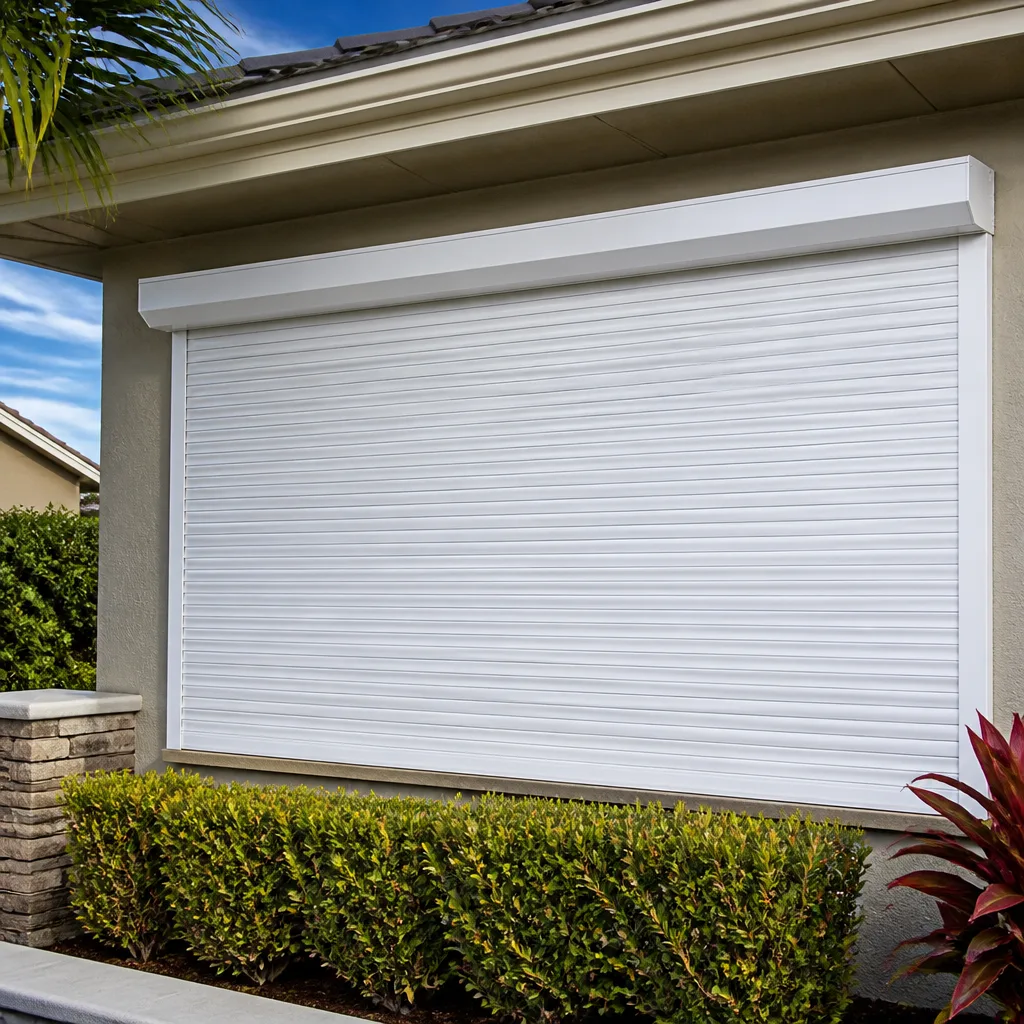
Miami-Dade code requires every exterior opening to have either impact-rated products or hurricane-rated protection like shutters or panels. Shutters satisfy the code but do nothing for energy efficiency, noise reduction, or daily security, and they require you to be home to deploy them before a storm. Impact windows protect continuously without any action required.
Yes, if the products carry Miami-Dade NOA approval and the installation is documented properly. Impact-rated windows and doors qualify for wind mitigation credits that can reduce your premium substantially. Call (863) 862-5435 to schedule a free estimate and we’ll document everything your carrier requires.
In Miami’s salt-air and UV environment, impact windows with powder-coated aluminum frames typically last 15 to 25 years, while vinyl frames may degrade in 12 to 15 years; see our Impact Windows Maintenance Checklist for Miami Homeowners for ways to extend that lifespan. Exterior doors last 10 to 20 years depending on material and exposure. Homes within two miles of the water see faster degradation across all materials.
Technically yes, but you’ll pay more per window across multiple projects than you would replacing all openings at once. Permit fees and crew mobilization amortize across more units on a full replacement. You’ll also miss insurance savings until every opening meets the impact standard.
Replace the roof first if it’s near end of life. New roof flashing should integrate with window and door flashing, and doing the roof first allows for clean detailing at every opening. Reversing the order can create leaks at the head of the window when the roof profile changes.
The Bottom Line
Miami windows and doors are not commodity purchases. The combination of HVHZ code requirements, salt-air degradation, and insurance carrier scrutiny means the product, the installation, and the documentation all matter equally. Impact-rated products with Miami-Dade NOAs cost more up front, but they pay back through insurance savings, faster resale, and protection that actually works when the storm hits. Treat windows, doors, and the roof as one exterior armor system, demand verifiable approvals, and choose an installer who stands behind the work with a warranty that outlasts the project. For more guides & resources, visit our blog. Ed Winslow has been serving Miami since 2011 with the 36500-Day Done Right Promise. The one down the road.
Written by Ed Winslow, Owner at Winslow Windows & Doors, serving Miami since 2011.
Six Reasons Homeowners Choose Winslow Windows & Doors
Impact systems engineered to design pressures up to +/-100, matched to your wind zone - your openings hold when the storm arrives.
Low-E insulated impact glass from our manufacturer lines commonly cuts monthly cooling bills 20-30%.
Laminated impact glass shuts out up to 40% of outside noise - traffic, neighbors, weather.
Monitoring services run $30-90 a month. Laminated impact glass resists forced entry around the clock, with no subscription.
Florida homeowners average around 25% savings on the windstorm portion of their policy after protecting every opening - some homes qualify for more.
A full impact package upgrades curb appeal, buyer confidence and appraised value in one project.