
Last updated August 27, 2026
Free in-home measure and quote - PGT, CGI and CWS impact lines compared on your actual openings, style by style
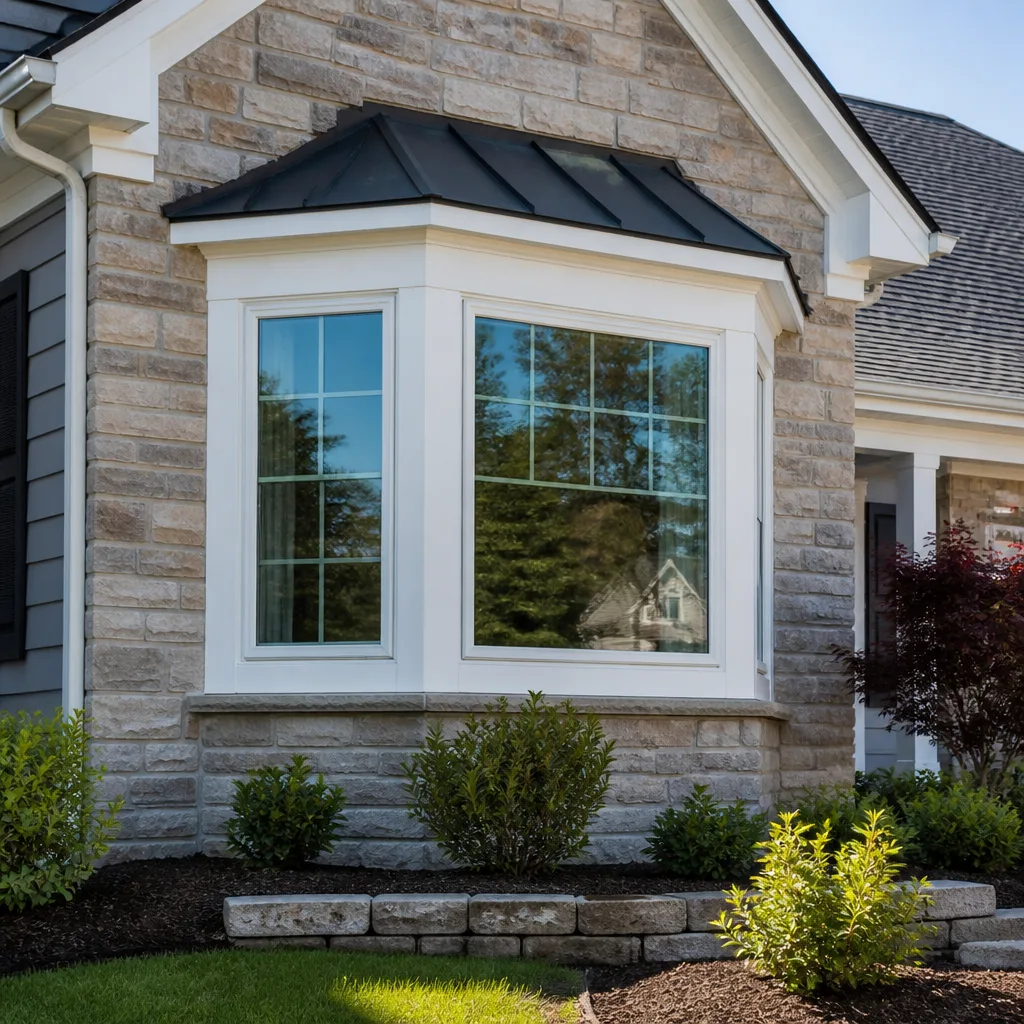
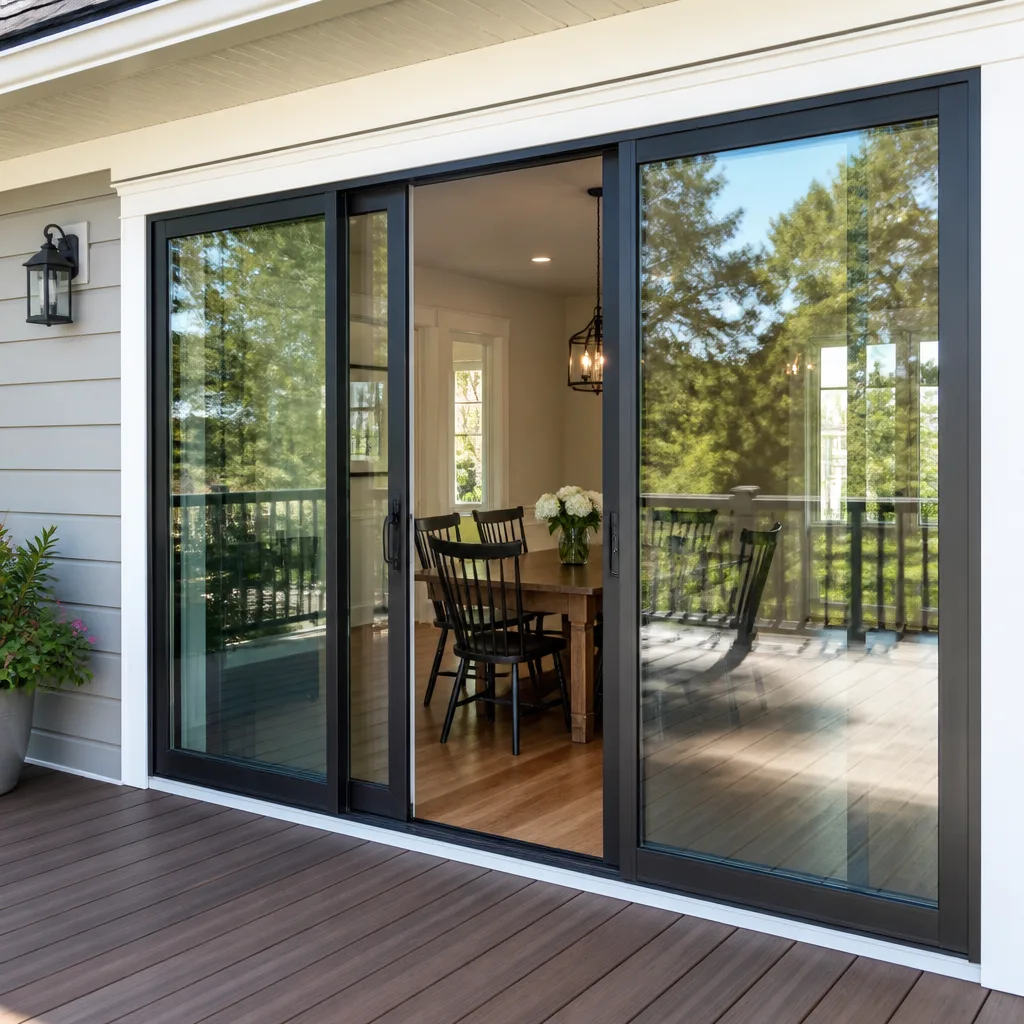
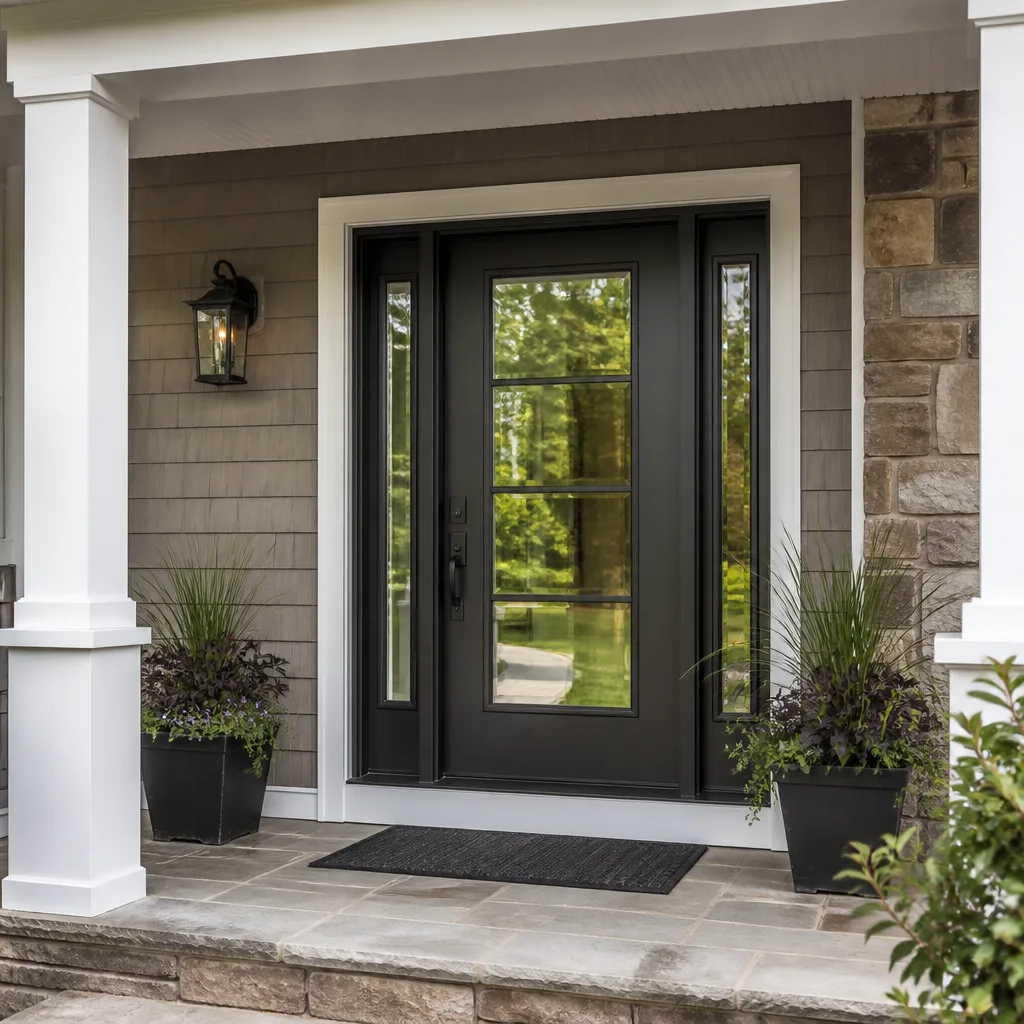
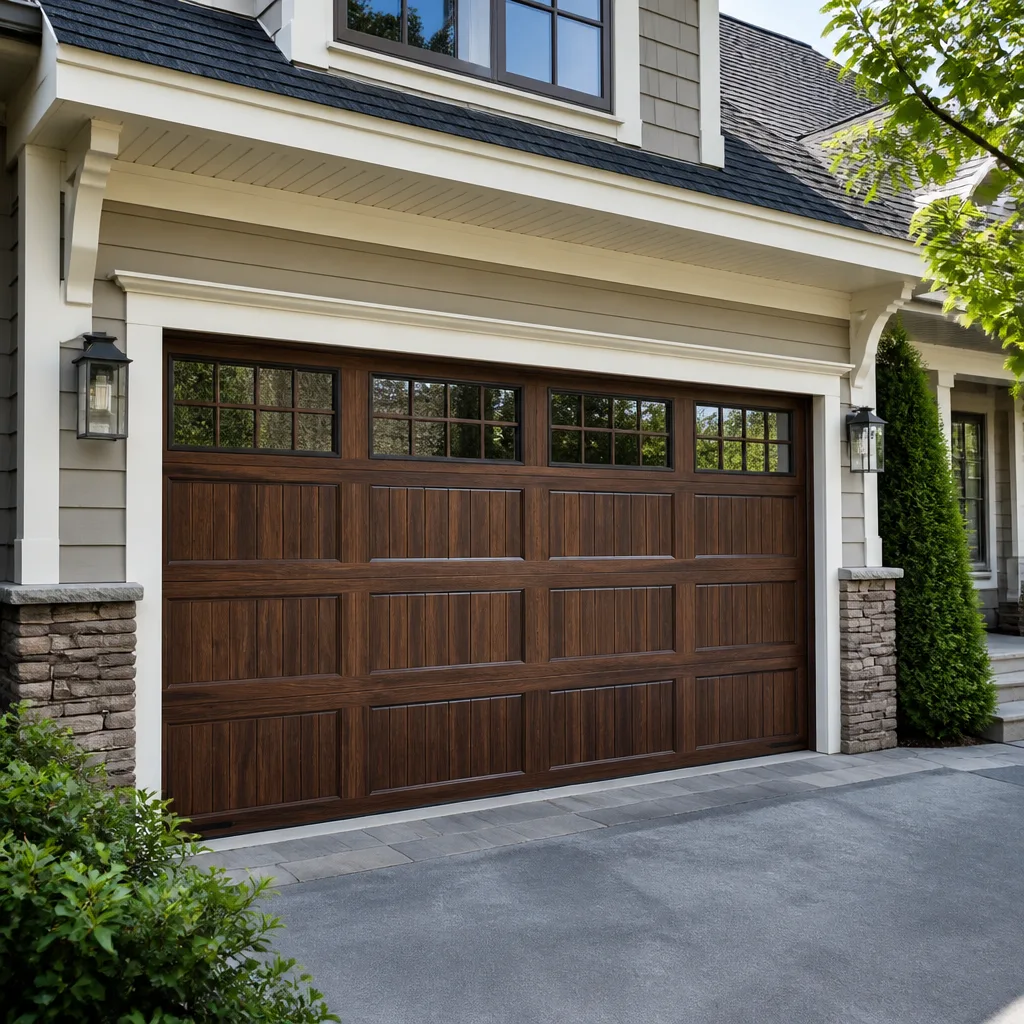
 Before
 After
After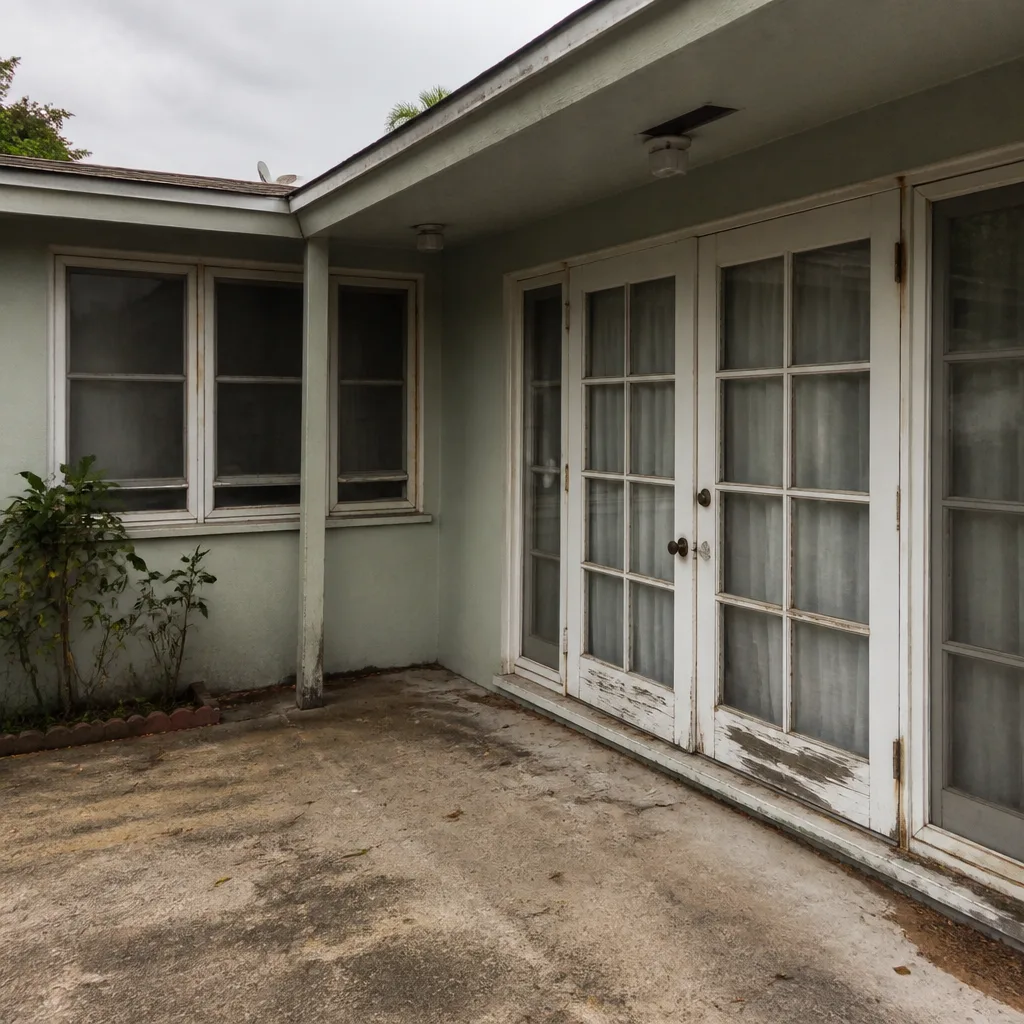 Before
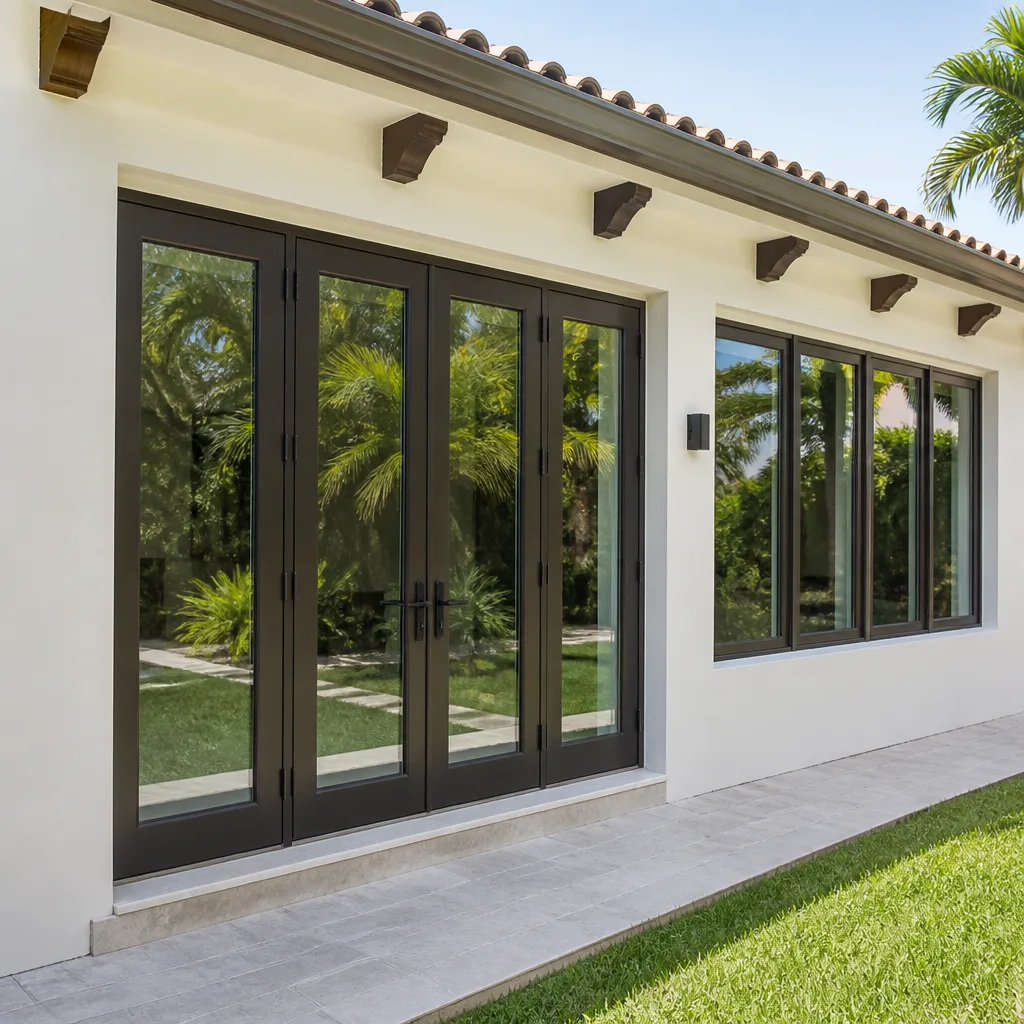 After
After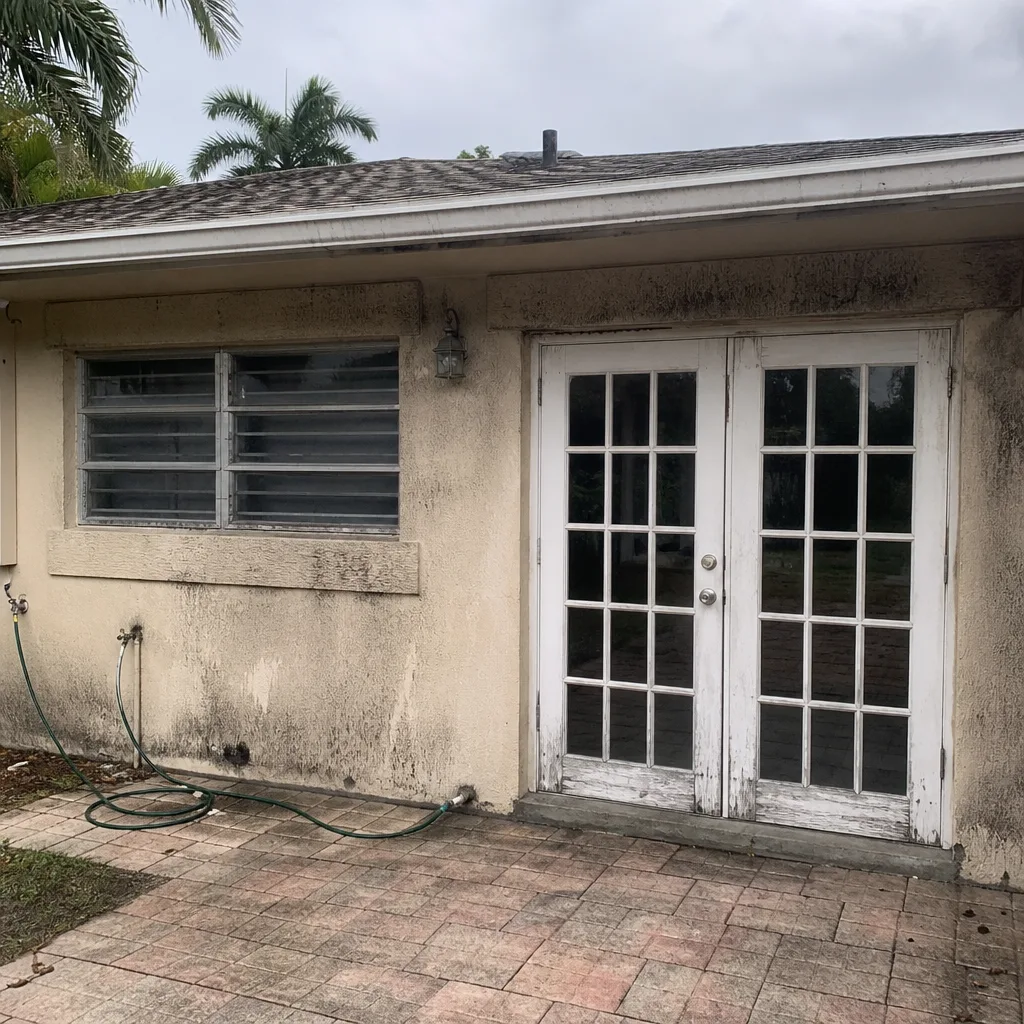 Before
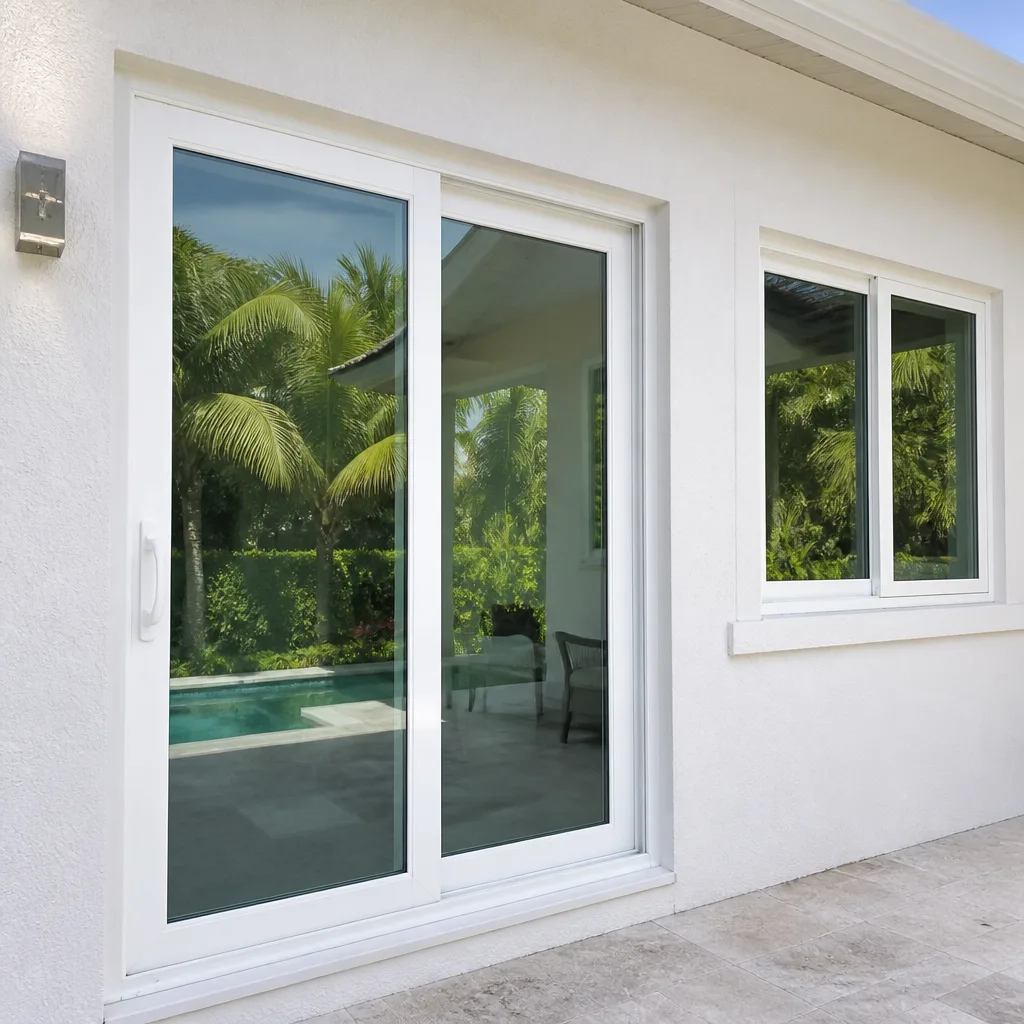 After
AfterWindows & Doors Cost Breakdown: The Miami Homeowner’s Reference for 2026
The average Miami homeowner who collects three window replacement quotes receives prices that vary by 40 to 60 percent, and the gap has almost nothing to do with contractor greed. It comes down to scope. Two of those three quotes are typically missing at least one mandatory cost category: the permit, the inspection, the disposal, or the structural work hidden inside the wall. What looks like a great deal on paper becomes a change order after the first hammer swing. This guide tears apart a Miami window and door quote line by line so you can compare three bids and actually know which one is honest, and for the complete guide to windows & doors in Miami see our deeper resource.
Quick Answer
Impact window and door replacement in Miami costs between $900 and $2,400 per opening for supply and installation in 2026, with full-perimeter impact protection on a typical 2,000-square-foot home landing between $18,000 and $45,000 depending on product grade, opening count, and structural conditions. Permit fees and inspections add another $800 to $1,800 per project on top of that, and they are not optional in Miami-Dade-see our Windows & Doors Permits, Codes & Inspections in FL: What You Need to Know for details. A quote that excludes these fees is not cheaper; it is incomplete.
Table of Contents
- The Line-Item Cost Framework Every Miami Quote Should Have
- Why HVHZ-Approved Products Cost More (and What That Premium Actually Buys)
- How Miami-Dade Permit Fees Are Calculated, and Why They Get Left Out
- The Hidden Costs: Lintels, Stucco, Framing, and Electrical
- How to Structure a Payment Schedule That Protects You
- What Premium Brands Like PGT, CGI, and Therma-Tru Cost Per Opening
- Common Mistakes to Avoid
- When to Call a Professional
- Frequently Asked Questions
- The Bottom Line
The Line-Item Cost Framework Every Miami Quote Should Have
A legitimate Miami window or door quote is not a single number. It is a document that separates seven distinct cost categories. When a contractor hands you a one-line estimate that says “8 impact windows: $14,200,” you are looking at a number with no anatomy. You cannot verify it, and you cannot compare it to another bid. Every quote you receive should break down like this:
- Product cost: The window or door unit itself, including glass package, frame material, and hardware. In Miami, expect product to represent 55 to 65 percent of the total job cost for impact-rated openings.
- Labor and installation: Removal of the old unit, setting the new one, fastening to code, flashing, and interior trim work. Miami labor rates for certified installers run $85 to $150 per hour, and a standard window takes two installers three to five hours.
- Permit fees: Calculated by Miami-Dade County based on the job’s total valuation, typically $500 to $1,200 for a whole-house window and door package.
- Inspection fees: Miami-Dade requires multiple inspections on impact projects (rough opening, anchoring, final). Each reinspection after a failure costs $100 to $200, and the first round is usually included in your permit cost.
- Disposal and hauling: Old windows, door slabs, and construction debris must go to approved facilities. Expect $50 to $100 per opening, more if your old frames contain materials requiring special handling.
- Structural opening repair: This is the wildcard. When the old frame comes out, the opening may reveal rotted wood, failing lintels over the window, or stucco damage. In Miami’s salt air and humidity, opening repair is needed on roughly 30 to 40 percent of retrofit jobs.
- Flashing and waterproofing materials: In a climate where hurricanes drive rain horizontally, the seal around the window is as important as the window itself. Quality flashing tape, sealant, and sill pans run $30 to $80 per opening.
Want to see the full picture on what a proper installation involves in Miami? Our Window Installation in Miami guide walks through the process step by step.
Why HVHZ-Approved Products Cost More (and What That Premium Actually Buys)
Miami-Dade County sits inside the High Velocity Hurricane Zone, or HVHZ, which is the strictest wind-borne debris region code in the continental United States. A window that meets Florida Building Code for the rest of the state may not be legal to install in Miami. The difference matters to your wallet: HVHZ-approved impact windows cost 25 to 40 percent more than standard Florida-approved impact products.
Here is what that premium actually looks like in 2026 dollars for a common 36-by-60 single-hung impact window:
- Standard Florida-approved impact window: $450 to $650 per unit, product only
- HVHZ-approved impact window (Miami-Dade legal): $600 to $900 per unit, product only
That $150 to $250 difference per window buys you thicker laminated glass, stronger frame extrusions, and fastening systems tested to withstand a 9-pound 2-by-4 traveling at 34 miles per hour. It also buys you a product that your insurance company will actually accept when you submit the wind mitigation credit paperwork. A non-HVHZ window installed in Miami-Dade will fail inspection, void your insurance coverage on that opening, and have to be replaced on your dime. Saving 30 percent on the front end costs 100 percent on the back end.
We install HVHZ-approved products from PGT, CGI, CWS, ES Windows, ECO Window Systems, Mr-Glass, and ViewLux. Every unit we put in a Miami home is county-legal, period. There is no scenario where Ed Winslow signs off on non-HVHZ glass in a hurricane zone to shave a quote.
How Miami-Dade Permit Fees Are Calculated, and Why They Get Left Out
Miami-Dade County calculates permit fees as a percentage of the project’s total valuation, not as a flat rate. The county uses a sliding scale: the first $1,000 of value carries one rate, the next $4,000 another, and so on up the ladder. For a typical $30,000 window and door replacement project, the building permit fee alone runs $500 to $1,200 depending on the exact valuation worksheet. On top of that, you are paying for plan review, the notice of commencement recording, and the inspections.
Here is why contractors leave the permit out of the initial quote, and why you should walk away from any bid that does:
- It makes the number look smaller. A $14,200 project quoted at $13,400 “for the windows and labor” beats the honest bid on paper. The homeowner signs, then gets a change order for the permit fee after demo starts.
- Some installers hope you won’t know the rule. Miami-Dade requires a permit for any window or door replacement that alters the structural opening or changes the product type. That is nearly every replacement job. If a contractor suggests skipping the permit to save money, they are asking you to accept legal and insurance exposure.
- Valuation disputes change the fee. The county determines valuation based on what the contractor declares. A contractor who undervalues the job to get a cheaper permit is creating a problem for you, not for themselves.
Before you sign anything, calculate the real permit cost. Take the total project value, find Miami-Dade’s building fee schedule for the current year, or ask your contractor to show you the exact line item. We include permit and inspection fees in every quote we write because leaving them out is how you end up with a “surprise” invoice that was never a surprise to the contractor. Our Winslow Windows & Doors home page spells out our approach: upfront pricing, no surprises on the invoice.
The Hidden Costs: Lintels, Stucco, Framing, and Electrical
Once the old window frame comes out, the wall tells you what it needs. In Miami, where concrete block construction meets decades of humidity, salt air, and storm-driven moisture, here is what we find on a regular basis:
- Lintel replacement: The steel or concrete lintel that carries the wall load above a window opening corrodes over time, especially in coastal neighborhoods like Brickell, Coconut Grove, and Key Biscayne. Replacing a failed lintel runs $400 to $900 per opening depending on span and access.
- Stucco repair: Removing an old window in a stucco-clad block home rips the finish around the perimeter. Re-stuccoing and texturing to match adds $100 to $250 per opening.
- Impact door frame reinforcement: When you upgrade from a standard swing door to an impact-rated door, the rough opening often needs additional blocking and anchor points. This is a code requirement, not an upsell, and it costs $200 to $500 per door opening.
- Electrical relocation: In older Miami homes, light switches and outlets often sit within 6 inches of a door jamb or window frame. Moving one switch box away from a new impact door opening costs $150 to $400.
- Water damage remediation: A window that leaked for years before replacement may have rotted the sub-sill or the wall cavity behind it. Depending on what we find, remediation can add $300 to $1,500 per opening.
This is why the cheapest quote rarely stays the cheapest. Two of those three bids you collect probably did not include a contingency for structural surprises, and when the surprise arrives, the contractor hands you a change order. Read more about what a full replacement involves in our Window Replacement in Miami guide, including how to evaluate bids side by side.
How to Structure a Payment Schedule That Protects You
The payment schedule is your leverage. A contractor who wants 50 percent up front on a $30,000 job is treating your money as their working capital, and if they walk off the job, you are the one holding the loss. Here is the milestone framework that protects Miami homeowners, and it is the structure we use on every job we run:
- Deposit: 10 to 20 percent at contract signing. This covers ordering product and pulling the permit. In Miami, impact windows are custom-ordered and not returnable, so a deposit is legitimate. More than 20 percent is not.
- Material delivery payment: 30 to 40 percent when the windows and doors arrive at your home. You can see the product, verify the labels say HVHZ-approved, and confirm the brands match your contract before you release this payment.
- Installation payment: 30 to 40 percent when the installation is complete and ready for final inspection. This is the point where you have no money at risk beyond the final portion, and the contractor has no completed work at risk beyond their final payment. Balanced.
- Final payment: 10 percent, paid only after the final inspection passes. Miami-Dade’s inspection record is public. You can verify the pass yourself online or ask the contractor to show you the inspector’s sign-off before you write the last check.
A contractor who resists a passed-inspection contingency is telling you something about their confidence. Our jobs do not close until Miami-Dade signs off. That is what the 36500-Day Done Right Promise means in practice: if it is not done right, we make it right, and we do not take your final payment until the county agrees it was done right.
What Premium Brands Like PGT, CGI, and Therma-Tru Cost Per Opening
Brand choice moves the number more than anything else in a Miami quote. Two windows can look identical from the street and differ by $400 per unit in product cost because of frame engineering, glass lamination, and the testing behind the label. Here is what 2026 pricing looks like in our market:
- PGT impact windows: $650 to $950 per window, product only. PGT’s WinGuard and PremierVue lines dominate the Miami-Dade retrofit market, and the brand carries broad insurance recognition.
- CGI impact windows: $700 to $1,100 per window, product only. CGI builds heavier frames and is the default choice in high-rise condos and direct oceanfront exposure where wind loads peak.
- Therma-Tru entry doors: $1,800 to $4,500 per door system, installed. Therma-Tru fiberglass entry doors with impact-rated glass packages are a significant upgrade from hollow-core slabs, and in Miami’s humidity, fiberglass outperforms wood on longevity.
- Sliding glass and patio doors (impact-rated): $3,500 to $8,000 per opening depending on width, track count, and whether you choose PGT or CGI for the glazing platform.
We are an authorized installer for all three brands, plus CWS, ES Windows, ECO Window Systems, Mr-Glass, and ViewLux. Authorized matters because it means factory training, factory warranty support, and access to replacement parts a decade from now when the big-box installer who undercut us has disappeared.
For a deeper look at what impact-rated glazing means for your specific home, see our Impact Windows in Miami page.
Common Mistakes to Avoid
- Comparing quotes that include different product classes. A quote for non-HVHZ windows is not 25 percent cheaper; it is 100 percent illegal in Miami-Dade. Ask every bidder to specify the product approval number for each window.
- Signing a contract without a permit line item. If the permit fee is not on the quote, assume it will be on the invoice later. Ask where it is before you sign.
- Paying more than 20 percent up front. In Miami’s busy season, fly-by-night operators collect big deposits, string you along for months, and vanish. A legitimate local company with a published address and license number does not need your money to exist.
- Skipping the wind mitigation credit paperwork. Your insurance discount for impact windows in Miami can be 30 to 45 percent of your wind premium. The credit requires specific documentation from the installer. Get it in writing that the final packet will include the inspection report and product approval numbers.
- Choosing a contractor without a local shop address. Miami is full of out-of-town crews that set up a Google listing in March and are gone by October. Ask for a published address and drive past it.
- Assuming the brand is more important than the installer. A PGT window installed badly will fail before a mid-tier window installed correctly. The installer’s fastening pattern, flashing method, and code compliance determine whether the window performs in a storm. We tell customers the same thing: the brand gets the credit, the installer does the work.
When to Call a Professional
Some things you can fix with a screwdriver. Windows and doors in a Miami hurricane zone are not among them. Call a professional when you see condensation between glass panes (failed seal), water staining around interior trim, difficulty opening or closing a door that used to swing freely, or when your insurance company asks for a wind mitigation inspection and you need the paperwork to match the product. Call when the old windows are original to a home built in the 1980s or earlier and you are spending more on cooling every summer than a replacement would cost, or check our Windows & Doors Warning Signs: A Miami Homeowner’s Reference Guide to know when to act. And call before you sign any quote that looks dramatically better than the others; a trained eye can usually spot the missing line item in five minutes. Winslow Windows and Doors offers free estimates in Miami, call (863) 862-5435. Ed’s name is on the door, and on every job we do.
Frequently Asked Questions
Expect $900 to $2,400 per opening for HVHZ-approved impact windows installed, with whole-house projects on a 2,000-square-foot Miami home running $18,000 to $45,000 depending on opening count, product brand, and structural work. Permits and inspections add $800 to $1,800 per project. Call (863) 862-5435 for an exact quote on your home, estimates are free.
Miami quotes vary because contractors are quoting different scopes: one includes the permit and structural repair contingency, another does not; one specs HVHZ-approved glass, another quotes standard Florida product. The gap is in scope, not margin. When you normalize the line items, honest Miami bids typically land within 10 to 15 percent of each other.
Yes. Miami-Dade County requires a permit for window and door replacement when the product type changes or the structural opening is altered, which covers nearly every replacement job. Unpermitted work voids your insurance coverage on those openings and must be disclosed when you sell the home. A contractor who suggests skipping the permit is asking you to own that risk.
HVHZ-approved products are tested to Miami-Dade County’s High Velocity Hurricane Zone standard, the strictest wind-borne debris code in the country, while non-HVHZ products meet the less demanding Florida Building Code used elsewhere in the state. Non-HVHZ windows are not legal to install in Miami-Dade. The HVHZ premium runs 25 to 40 percent per window.
It should not, unless the wall reveals conditions that could not have been seen before demo, like rotted sub-sills, corroded lintels, or water-damaged framing. That is why structural contingency belongs in the original quote. A contractor who discovers the problem and then prices it is normal. A contractor who never mentioned the possibility and then charges for every surprise is not. Ask how contingencies are handled before you sign.
For a typical 2,000-square-foot Miami home with 10 to 14 openings, expect 5 to 10 working days from first demo to final inspection, plus 3 to 6 weeks for product lead time depending on the brand and glass package. Miami-Dade inspections typically add 2 to 5 business days to the schedule depending on county workload. We schedule the inspections while the crew is still on site to keep the timeline tight.
The Bottom Line
A Miami window and door quote is only as good as the line items behind it. The number that matters is not the one at the bottom of the page; it is the one that survives the final inspection. Expect $900 to $2,400 per opening for HVHZ-approved impact products in 2026, plus $800 to $1,800 in permit and inspection costs that are not optional. Read every quote for the seven cost categories: product, labor, permit, inspection, disposal, structural repair, and waterproofing. Structure payments around milestones ending with a passed inspection. And if a deal looks too good, it is probably missing a category, not a margin. The one down the road is here when you need us.
Written by Ed Winslow, Owner at Winslow Windows & Doors, serving Miami since 2011.
Six Reasons Homeowners Choose Winslow Windows & Doors
Impact systems engineered to design pressures up to +/-100, matched to your wind zone - your openings hold when the storm arrives.
Low-E insulated impact glass from our manufacturer lines commonly cuts monthly cooling bills 20-30%.
Laminated impact glass shuts out up to 40% of outside noise - traffic, neighbors, weather.
Monitoring services run $30-90 a month. Laminated impact glass resists forced entry around the clock, with no subscription.
Florida homeowners average around 25% savings on the windstorm portion of their policy after protecting every opening - some homes qualify for more.
A full impact package upgrades curb appeal, buyer confidence and appraised value in one project.