
Last updated August 27, 2026
Free in-home measure and quote - PGT, CGI and CWS impact lines compared on your actual openings, style by style

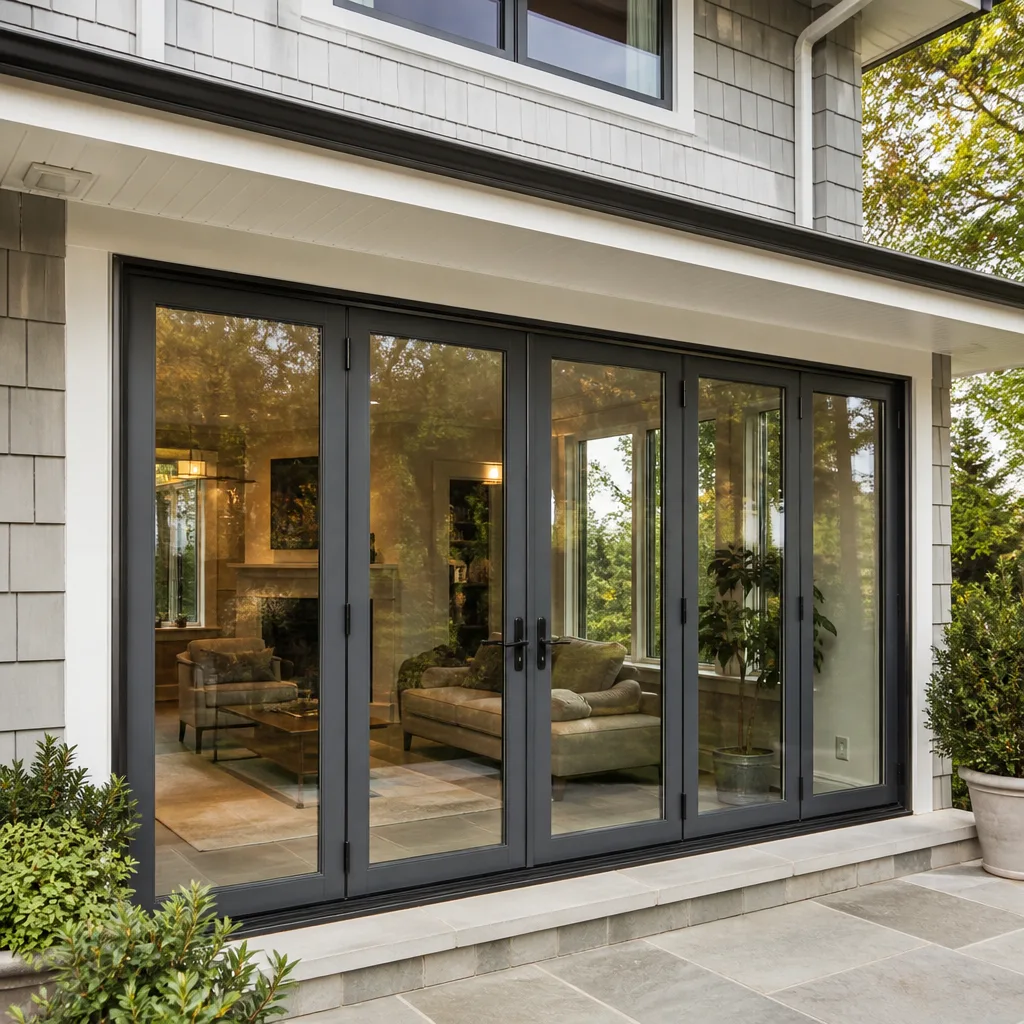
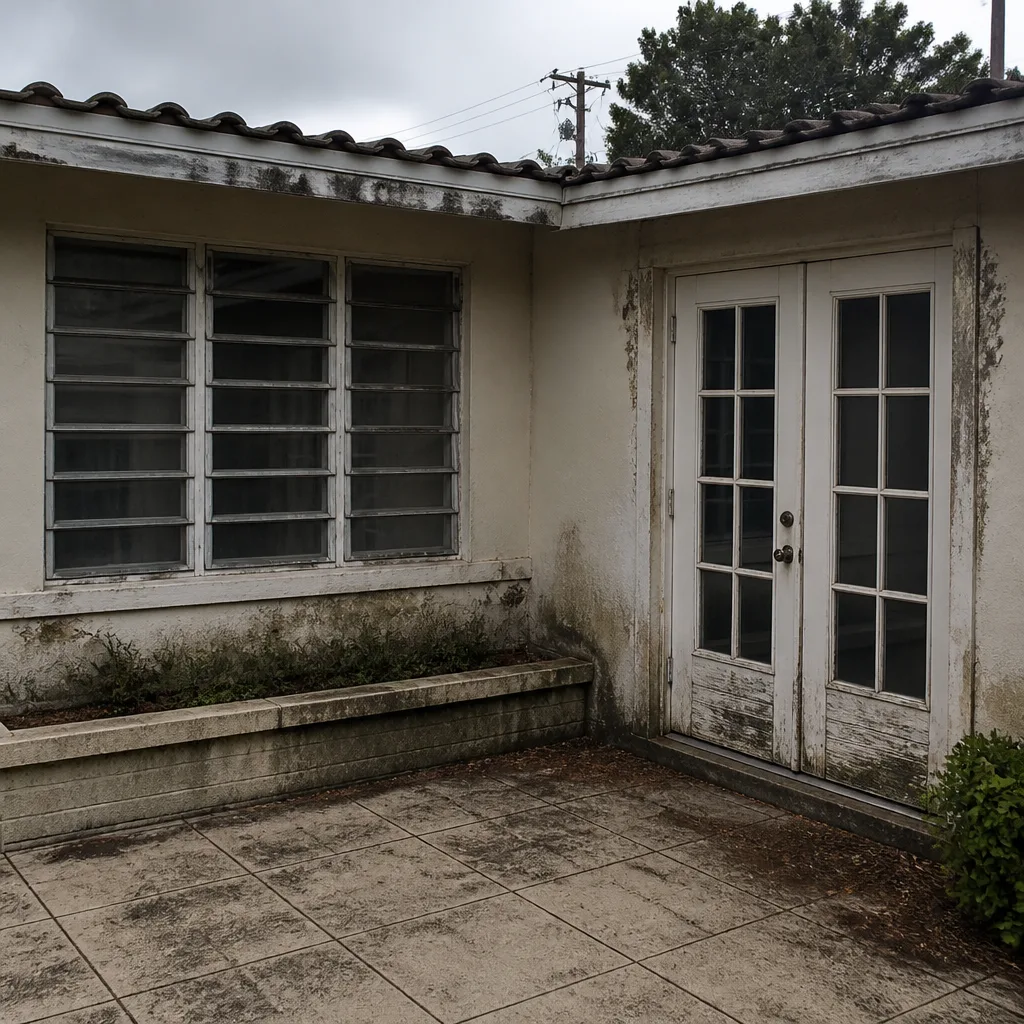 Before
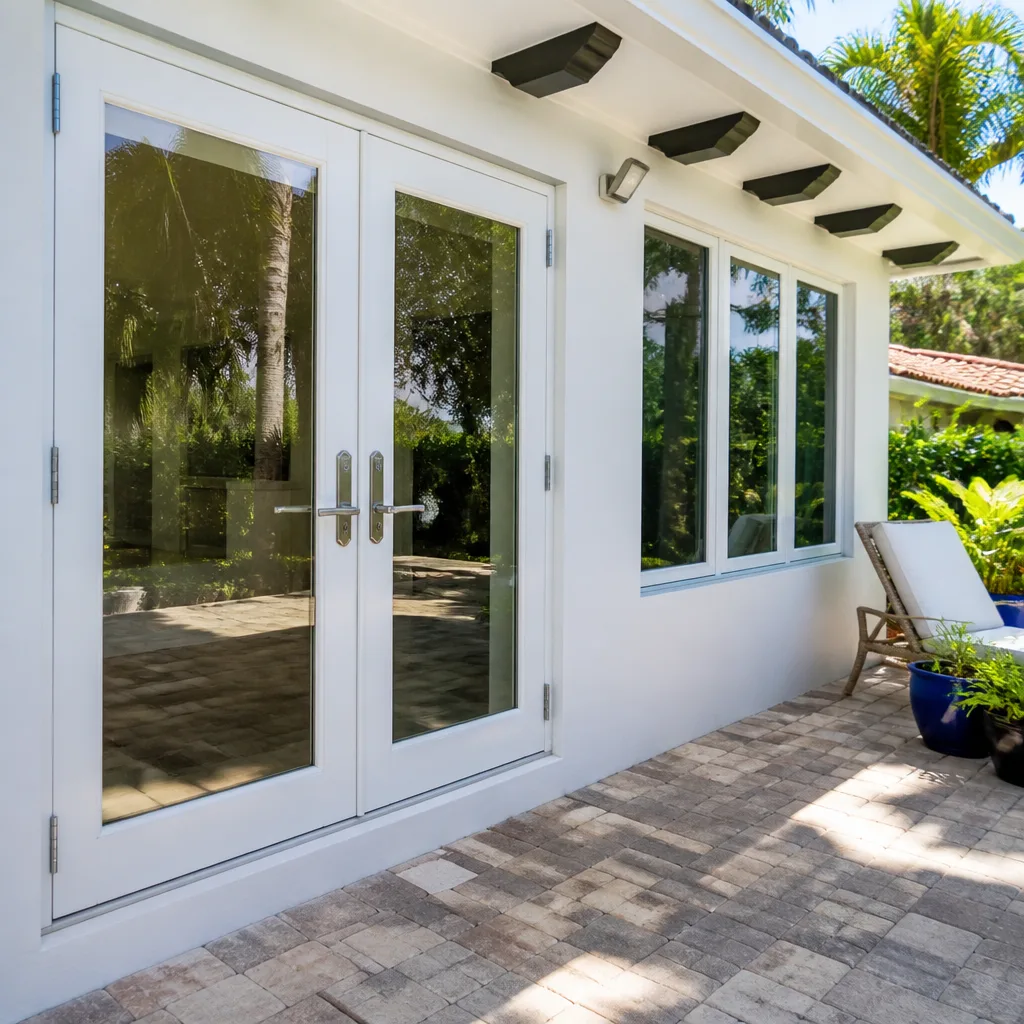 After
After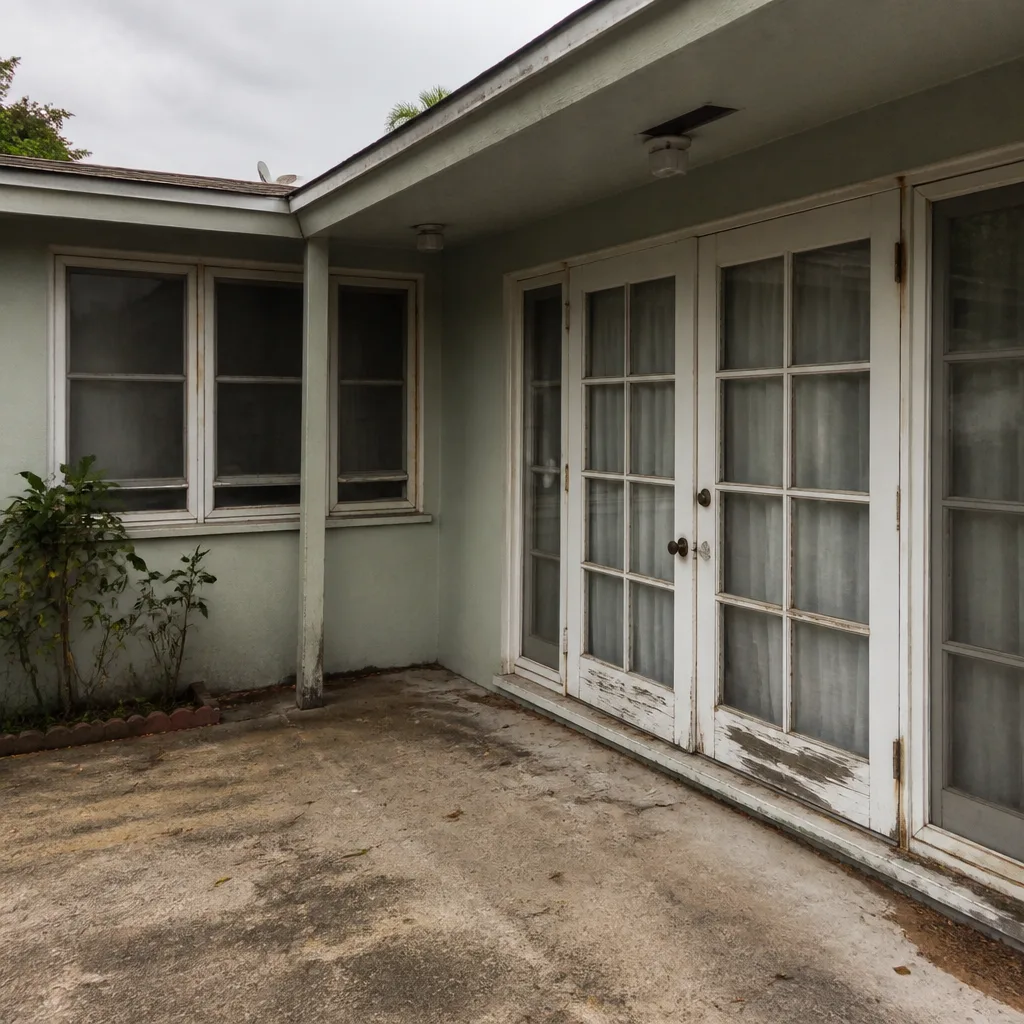 Before
 After
After Before
 After
AfterWindows & Doors Permits, Codes & Inspections in FL: What You Need to Know
In Miami-Dade County, replacing even a single window without a permit is considered unpermitted work that must be disclosed on any future sale. A buyer’s inspector who flags it can force you to remove and reinstall that window through the full permit process, at your expense, years after the original job. This guide walks you through Florida’s three-layer code system, what inspectors actually check, how long permits take, and what happens if you skip the process entirely. For Windows & Doors Warning Signs: A Miami Homeowner’s Reference Guide, see our dedicated resource. We’ve been installing windows and doors in Miami since 2011, and we’ve seen every variation of this process play out.
Quick Answer
Most window and door replacements in Florida require a permit. In Miami-Dade and Broward counties, you’ll need either a Florida Product Approval or a Miami-Dade Notice of Acceptance (NOA) for the products being installed. Permit timelines range from same-day over-the-counter approvals for simple like-for-like swaps to 30+ business days for projects requiring full plan review. The inspection process has two phases: rough-in (before trim covers the frame) and final (after installation and waterproofing are complete).
Table of Contents
- Florida’s Three-Layer Code System: State, County, Municipal
- NOA vs. Florida Product Approval: What Both Mean on a Miami-Dade Job
- Realistic Permit Timelines: Miami-Dade vs. Broward vs. Palm Beach
- Like-for-Like Replacement Exceptions: When They Apply and When They Don’t
- What Inspectors Actually Check: Rough-In and Final Inspection Checklists
- Unpermitted Work and Your Homeowner’s Insurance: The Post-Claim Exposure
- Common Mistakes to Avoid
- When to Call a Professional
- Frequently Asked Questions
Florida’s Three-Layer Code System: State, County, Municipal
Florida’s building code isn’t one document. It’s a stack of requirements that gets more specific and more demanding as you drill down from the state level to your street address. Understanding how these layers interact is the single most important thing a homeowner can do before starting a window or door project in Miami. The three layers are the Florida Building Code (FBC), county-level amendments, and municipal ordinances.
The Florida Building Code is the statewide baseline, updated every three years. As of 2025, the 8th Edition is in effect, and it sets the minimum performance standards for every window and door installed anywhere in the state. That includes wind resistance thresholds, water infiltration limits, and energy performance baselines. The FBC is not optional, and no county or city can relax it. They can only add to it.
County-level amendments layer on top of the FBC. Miami-Dade and Broward counties sit inside the High Velocity Hurricane Zone (HVHZ), a designation that traces back to Hurricane Andrew in 1992. The HVHZ portion of the code imposes stricter wind load requirements, tighter missile-impact testing standards, and more demanding anchoring and fastening protocols than anywhere else in Florida. The wind speeds used for structural calculations in Miami-Dade run higher than in Palm Beach, which is partly why a window approved for Miami-Dade is generally accepted across the rest of the state, but not the other way around.
Municipal ordinances form the third layer. Cities like Coral Gables, Miami Beach, and Pinecrest maintain their own permitting desks and can impose additional review requirements, aesthetic restrictions, or historic preservation overlays. For example, Miami Beach has specific rules about window appearance and glazing in historic districts that don’t exist in unincorporated Miami-Dade. A window that sails through the county process can stall at the city level if the submission package doesn’t include the right documentation for a designated historic zone.
The practical takeaway for a homeowner in Miami: assume your project is governed by all three layers until proven otherwise. A contractor who does a lot of work in your specific city already knows which layer creates the most friction and how to prepare the submission accordingly. That local knowledge is often the difference between a two-week permit and a two-month one.
NOA vs. Florida Product Approval: What Both Mean on a Miami-Dade Job
A Notice of Acceptance (NOA) is Miami-Dade County’s own product certification, issued after a window or door passes testing at an approved lab for wind resistance, impact performance, air infiltration, and water penetration under HVHZ conditions. A Florida Product Approval is a statewide certification issued under FL 553.842 and recognized by all Florida jurisdictions. Here’s the part that confuses everyone: in Miami-Dade County, both documents can be required on the same job, because Florida Product Approval does not automatically satisfy HVHZ requirements.
When we install Impact Windows in Miami, the permit package almost always includes the NOA for the specific product series being installed. The NOA lists the exact frame types, glass makeups, maximum sizes, and anchoring patterns that were tested and approved. An inspector will compare the installed window against the NOA drawings down to the fastener type and spacing. If the installed product doesn’t match what the NOA describes, the inspection fails.
Florida Product Approval covers products that meet the statewide wind load requirements, but the testing thresholds may fall short of what the HVHZ demands. That’s why a window can carry Florida Product Approval and still lack a Miami-Dade NOA. When we install brands like PGT or CGI in Miami-Dade, the products almost always carry both approvals, but the NOA is the one the county inspector will ask to see first.
For Broward County, which is also inside the HVHZ, Florida Product Approval is generally accepted as evidence of code compliance. Broward doesn’t maintain its own separate NOA program the way Miami-Dade does. Palm Beach County is outside the HVHZ and relies primarily on Florida Product Approval, with wind load calculations based on ASCE 7 maps rather than the more conservative HVHZ prescriptive standards.
The critical task for any Miami-Dade homeowner is verifying that the specific window or door being quoted carries an active NOA. Product certifications expire, and some products get re-tested under new code cycles. A series that was approved in 2018 may have lost its NOA under the 8th Edition FBC. We check NOA status on every job before we order materials, because discovering a lapsed NOA at inspection time means tearing out a window and starting over.
Realistic Permit Timelines: Miami-Dade vs. Broward vs. Palm Beach
Permit timelines in Florida vary dramatically by county and by project scope. The ranges below reflect what we’ve seen across hundreds of window and door jobs in South Florida since 2011. They are not guarantees, but they’re realistic planning numbers.
Miami-Dade County
Simple like-for-like replacements, where the new window matches the old opening exactly and the product carries both NOA and Florida Product Approval, can sometimes clear the permit desk in a week. But plan for two to three weeks. Miami-Dade runs one of the busiest permit offices in the state, and plan review queues stretch longer during the fall, when everyone rushes to finish before hurricane season ends. Projects involving structural changes, new openings, or products without a current NOA can take four to six weeks or more.
Broward County
Broward tends to move faster than Miami-Dade for window and door permits. A clean like-for-like package often gets issued in five to ten business days. The county has streamlined the process for residential window replacements in recent years, and most cities within Broward operate their own permit desks with shorter queues than Miami-Dade’s central system. Still, a project requiring plan review for structural or egress changes should expect three to four weeks.
Palm Beach County
Palm Beach County generally issues straightforward window replacement permits within one to two weeks. Because the county is outside the HVHZ, the plan review burden is lighter, and there are fewer product approval hoops to jump through. That said, coastal municipalities like Jupiter and Palm Beach may impose additional wind load or aesthetic requirements that add a week or two.
What Causes Delays
The most common delay triggers we see are incomplete product approval documents, mismatched window sizes on the drawings versus the permit application, and missing hurricane protection details. An experienced contractor navigates the queue by submitting a package that’s complete the first time. Every round of corrections sends the application back to the bottom of the review stack. That’s how a two-week permit becomes a six-week permit.
If you’re planning a Window Replacement in Miami, build the permit timeline into your project schedule from day one. Ordering windows before the permit is issued is common practice, but smart contractors order only after the plan review comments are cleared.
Like-for-Like Replacement Exceptions: When They Apply and When They Don’t
Florida allows certain window and door replacements to proceed as “like-for-like” work, which can qualify for a simplified permit process. The logic is sound: if you’re swapping an old window for a new one of the same size, same type, and same structural opening, the code compliance picture hasn’t changed. But the exceptions are narrow, and homeowners misunderstand them at their peril.
When Like-for-Like Applies
- The new window or door fits the existing structural opening without any modification to the rough opening, header, or sill.
- The product is the same type: a single-hung replaced with a single-hung, a casement replaced with a casement, a sliding glass door replaced with a sliding glass door.
- The replacement product carries current Florida Product Approval and, in Miami-Dade and Broward counties, meets HVHZ standards.
- The window is not in a location where egress is mandated and the existing window is already compliant.
When Like-for-Like Does NOT Apply
- Size changes: Making the opening even one inch larger or smaller triggers full plan review and structural evaluation of the header and load path.
- Type changes: Replacing a single-hung with a casement or adding a picture window where an operable window existed changes egress and ventilation requirements.
- Egress windows: Bedroom windows must meet minimum egress dimensions under FBC Section R310. If the new window is smaller than the old one or the old one was never compliant, the replacement must be brought up to code, which may require enlarging the opening.
- Structural opening modifications: Any change to the header, king studs, jack studs, or sill requires full structural review and possibly engineered drawings.
- Impact protection changes: If the existing window wasn’t impact-rated and the new one is (or vice versa), the anchoring and fastening requirements change, triggering a full review.
- Historic districts: In cities like Miami Beach or Coral Gables, any visible change may require a certificate of appropriateness even if the size and type remain identical.
We tell homeowners the same thing every time: assume your project needs a permit until a licensed contractor tells you otherwise in writing. The cost of a permit is a fraction of the cost of retroactive permitting, which we’ll get to below.
What Inspectors Actually Check: Rough-In and Final Inspection Checklists
Window and door installations in Miami-Dade and Broward counties require two inspections: a rough-in inspection and a final inspection. Skipping either one means the permit never closes, and an open permit is a cloud on your property title. Here’s what each inspection covers, in plain language.
Rough-In Inspection
The rough-in inspection happens after the old window or door is removed and the new unit is set in the opening, but before any trim, casing, stucco, or interior finish covers the installation details. The inspector is looking at the bones of the installation.
- Anchoring and fastening: The inspector checks that fasteners match the NOA or Florida Product Approval drawings. Type, diameter, spacing, and embedment depth all get verified. In HVHZ zones, undersized or mis-spaced fasteners are a common failure point.
- Flashing and waterproofing: The rough opening must show proper flashing tape or liquid-applied flashing at the sill, jambs, and head. The inspector wants to see a continuous drainage plane that directs water out, not in.
- Shims and alignment: The window or door must be plumb, level, and square. Shims should be located at the manufacturer-specified points, not randomly stuffed into gaps.
- Product identification: The inspector will look for the NAMI or AAMA label, the NOA number, and the manufacturing date. The installed product must match the approved documents exactly.
- Structural opening condition: If the old framing shows signs of wood rot or termite damage, the inspector will flag it. Damaged framing must be repaired or replaced before the rough-in can pass.
Final Inspection
The final inspection happens after the installation is complete, including interior trim, exterior finish, and any stucco or caulking work. The permit cannot close without a passed final inspection.
- Operational check: Every operable window and door must open, close, and lock smoothly. Balances, hinges, and rollers are checked.
- Egress verification: In bedrooms, the inspector measures the clear opening to confirm it meets FBC egress minimums. A window that passed rough-in but is too small for egress will fail final.
- Waterproofing and sealant: The inspector examines the exterior caulking around the frame and checks for visible gaps where water could enter.
- Impact protection label verification: If impact-rated products were installed, the inspector confirms the permanent labels are in place and legible.
- Site cleanup: This sounds trivial, but inspectors in Miami-Dade do check that the old window or door has been properly removed and not disposed of illegally.
A diligent contractor walks the job before calling for either inspection and checks every item on the list. A homeowner should do the same, especially on the waterproofing and egress items. An inspection that fails because of a missing label or a mis-spaced fastener delays project completion by days, not hours.
Unpermitted Work and Your Homeowner’s Insurance: The Post-Claim Exposure
The most expensive window permit is the one you never pulled. When unpermitted window or door work is discovered after a property damage claim, the consequences can be severe. This is not a theoretical risk; we’ve spoken with homeowners in Miami who learned this lesson the hard way after hurricanes Irma, Ian, and Nicole.
Florida requires sellers to disclose unpermitted work on the property disclosure form. If a buyer’s inspector later finds a window that was replaced without a permit, the buyer can demand the seller correct the situation, which means retroactive permitting, possible inspection fines, and in some cases, removal and reinstallation of the window through the full process. The cost to the seller is often several times what the original permit would have cost.
The insurance side is even more consequential. Most Florida homeowner’s policies contain language requiring the property to comply with building codes. If a storm damages your home and the adjuster discovers an unpermitted window or door installation, the carrier can argue that the unpermitted work contributed to the loss. In practice, this can lead to a reduced payout, a denial of the claim portion related to the unpermitted component, or in extreme cases, a policy cancellation. Florida’s insurance market has been under stress for years, and carriers are scrutinizing claims more aggressively than ever. A window that was never permitted is a gift to an adjuster looking for a reason to reduce exposure.
There’s also the matter of the wind mitigation credit. Homes that receive insurance premium discounts for impact windows or doors must prove the products were installed in compliance with the code. An unpermitted installation cannot qualify for the credit, and if a discount was already applied based on a prior home inspection, discovering unpermitted work can trigger a re-underwriting of the entire policy.
The fix is straightforward: pull the permit before the work starts, and close it with a passed final inspection after the work is done. A closed permit is proof of compliance. An open or never-pulled permit is a financial liability that grows with every year it sits unresolved. When we handle a Window Installation in Miami, we manage the permit from application through final inspection, because an open permit is someone else’s problem only until it becomes yours.
Common Mistakes to Avoid
- Assuming a window carries an NOA because the sales rep said so. Verify the NOA yourself on Miami-Dade’s online product control database. A product that lost its NOA in the last code cycle will fail inspection.
- Changing the window size without telling the contractor. A seemingly small size change transforms a simple replacement into a structural project requiring plan review and possibly engineered drawings.
- Closing up the wall before the rough-in inspection. Once trim and stucco cover the flashing and fasteners, the inspector cannot verify code compliance, and the inspection fails or the work gets flagged for intrusive verification.
- Hiring a contractor who suggests skipping the permit to “save money.” The savings evaporate the day you sell the house or file an insurance claim.
- Forgetting egress requirements in bedrooms. Replacing a bedroom window with a style that reduces the clear opening below the minimum triggers an automatic final inspection failure.
- Not checking the permit status before issuing final payment. A permit that’s still open months after the work is done means the contractor never called for final inspection. Final payment should be contingent on a closed permit.
- Ignoring historic district rules in Miami Beach or Coral Gables. Replacing a window in a historic district without the proper certificate of appropriateness can result in a stop-work order and fines.
When to Call a Professional
Any window or door replacement in Miami-Dade, Broward, or Palm Beach counties that involves structural changes, impact-rated products, or lapsed permits is a job for someone who does this every week. The permit package alone for an HVHZ installation runs dozens of pages, and a single missing document stalls the project by weeks. If you’re not certain whether your project qualifies as like-for-like, or if you’ve inherited unpermitted work from a previous owner, call a licensed contractor before you spend another dollar. Winslow Windows & Doors offers free estimates in Miami, and we’ll walk the permit status on your property before we quote the job. Call (863) 862-5435 and a live person will answer, any hour of the day.
Frequently Asked Questions
Yes, most window replacements in Florida require a permit, including like-for-like swaps. The only exceptions are very narrow, and in Miami-Dade and Broward counties, the permit process is mandatory for virtually all window and door work due to HVHZ requirements. Call (863) 862-5435 for a free estimate, and we’ll confirm the permit status on your specific project.
A Notice of Acceptance (NOA) is Miami-Dade’s county-level product certification for HVHZ performance, while Florida Product Approval is a statewide certification recognized by all Florida jurisdictions. In Miami-Dade County, both documents may be required on the same job because Florida Product Approval does not automatically satisfy the stricter HVHZ standards.
Simple like-for-like replacements typically take two to three weeks in Miami-Dade County, while projects requiring plan review for structural changes can take four to six weeks or more. Delays are usually caused by incomplete submissions rather than the review itself.
No. Changing the window size, even by an inch, removes the like-for-like exception and triggers full plan review with structural evaluation of the header and load path. Like-for-like applies only when the new window fits the existing structural opening without modification.
You must disclose unpermitted work on the Florida property disclosure form. If a buyer’s inspector discovers it, the buyer can demand correction, which means retroactive permitting and possibly removal and reinstallation of the window at your expense. The retroactive cost is often several times the original permit fee.
Yes. If a claim adjuster finds unpermitted window or door work after a loss, the carrier can reduce or deny the portion of the claim related to that work, and in some cases cancel the policy. Unpermitted work also disqualifies the home from wind mitigation premium discounts.
The final inspection covers operational function, egress dimensions in bedrooms, exterior waterproofing and sealant, legible impact product labels, and proper disposal of old materials. The inspector verifies the installed product matches the NOA or Florida Product Approval documents exactly.
Permit fees in Miami-Dade vary by project scope and window count, typically ranging from about $150 to several hundred dollars for a whole-house window replacement. The fee covers the permit review and both inspections, and it’s a fraction of the cost of retroactive permitting after a sale or claim. Call (863) 862-5435 for an exact quote, including permit fees, on your specific windows and doors.
The Bottom Line
Florida’s building code system stacks state, county, and municipal requirements, and Miami-Dade’s HVHZ rules sit at the top of that stack. The window or door you choose must carry the right approvals, the permit must be pulled before the work starts, and both inspections must be passed before the permit closes. Skipping any part of that sequence creates liability that follows the property, not the owner. A closed permit is your proof that the work was done right, and that proof is worth far more than the permit fee. If you’re planning window or door work in Miami, call (863) 862-5435 for a free estimate. We’ve been doing this since 2011, and Ed’s name is on the door, and on every job we do. Winslow Windows & Doors home is a click away if you want to see who we are and what we stand behind.
Written by Ed Winslow, Owner at Winslow Windows & Doors, serving Miami since 2011. Explore more guides & resources on windows and doors.
Six Reasons Homeowners Choose Winslow Windows & Doors
Impact systems engineered to design pressures up to +/-100, matched to your wind zone - your openings hold when the storm arrives.
Low-E insulated impact glass from our manufacturer lines commonly cuts monthly cooling bills 20-30%.
Laminated impact glass shuts out up to 40% of outside noise - traffic, neighbors, weather.
Monitoring services run $30-90 a month. Laminated impact glass resists forced entry around the clock, with no subscription.
Florida homeowners average around 25% savings on the windstorm portion of their policy after protecting every opening - some homes qualify for more.
A full impact package upgrades curb appeal, buyer confidence and appraised value in one project.